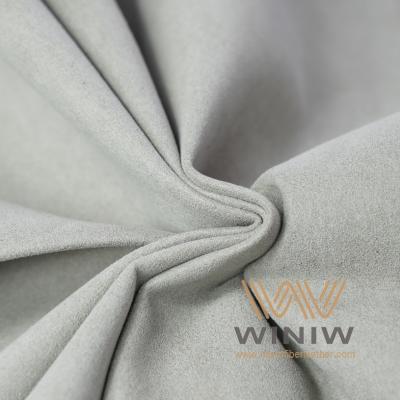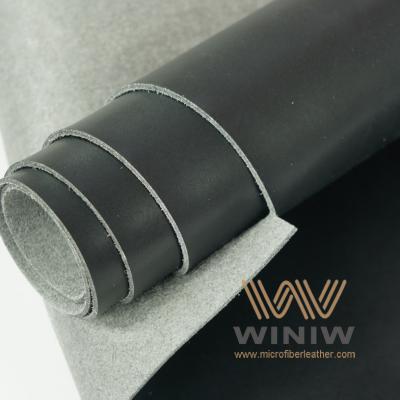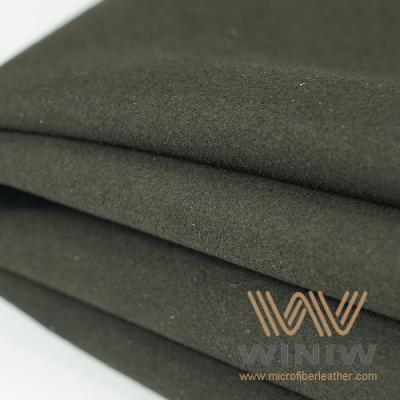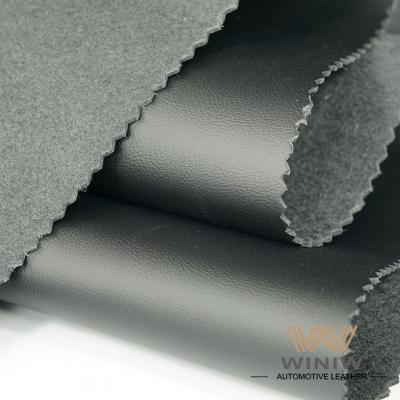
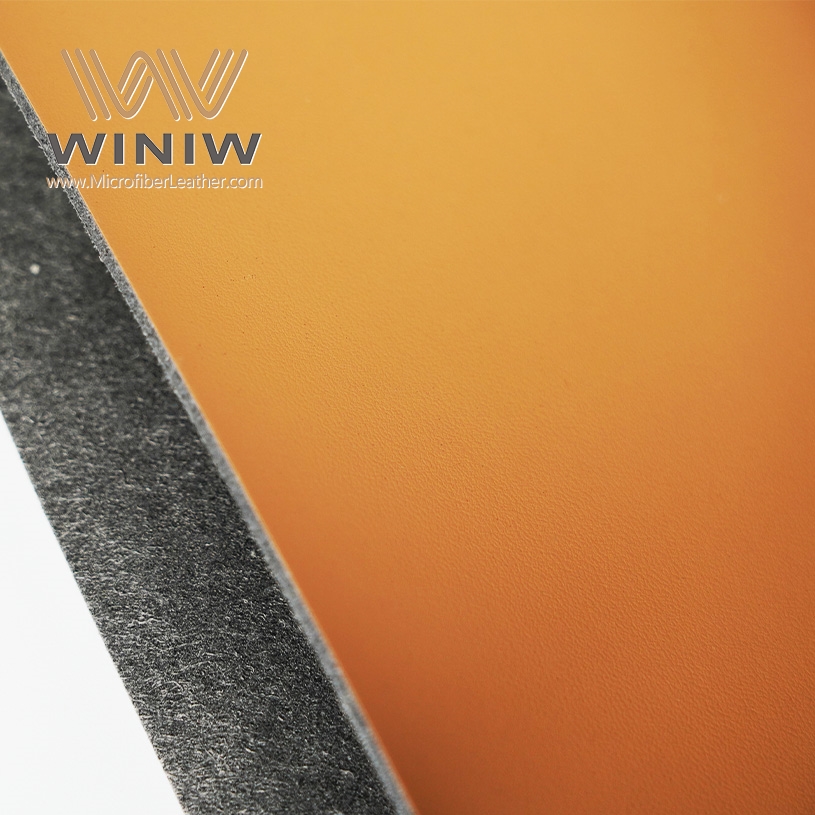
Lorsque vous choisissez des chaussures, le matériau qui recouvre le dessus de votre pied, appelé cuir de la tige, joue un rôle essentiel. Le cuir se distingue par sa grande durabilité, sa respirabilité et son style classique. Comme indiqué ci-dessous, le cuir surpasse les autres matériaux pour la tige des chaussures en termes de confort et de longévité :
|
Matériel |
Niveau de confort |
Niveau de durabilité |
Niveau de style |
|---|---|---|---|
|
cuir pleine fleur |
Haut |
Très élevé |
Classique |
|
Matériaux synthétiques |
Moyen |
Moyen |
Moderne |
|
Toile |
Faible |
Faible |
Occasionnel |
Se renseigner sur les matériaux utilisés pour la tige des chaussures permet de choisir des chaussures adaptées à vos besoins et qui durent plus longtemps.
Optez pour le cuir naturel pour la tige de vos chaussures afin de bénéficier d'un confort supérieur et d'un ajustement personnalisé. Il se moule à votre pied au fil du temps, réduisant ainsi les points de pression.
Investissez dans des chaussures en cuir de haute qualité pour leur durabilité. Avec un entretien approprié, elles peuvent durer de 10 à 30 ans, soit bien plus longtemps que les chaussures classiques. options synthétiques .
Le cuir offre une grande polyvalence en matière de style. Il convient aussi bien aux occasions formelles que décontractées, et apporte une touche classique à n'importe quelle tenue.
Quand on regarde une chaussure, la tige est la partie qui recouvre le pied, de la semelle jusqu'au cou. Les matériaux utilisés pour les tiges de chaussures comprennent le cuir naturel, les tissus synthétiques, la toile et le mesh. Parmi ceux-ci, le cuir naturel se distingue comme un choix de prédilection pour de nombreuses raisons. Vous remarquerez que le cuir naturel est doux et souple au toucher. Avec le temps, il épouse la forme de votre pied, offrant un confort personnalisé. matériaux synthétiques En revanche, elles conservent souvent leur forme originale. Cela peut les rendre moins confortables après une utilisation prolongée.
Le cuir naturel possède une structure fibreuse dense, ce qui lui confère résistance et élasticité. Il s'étire juste ce qu'il faut pour épouser la forme du pied tout en conservant sa forme. De plus, sa respirabilité permet de garder les pieds au sec et confortables. Les matières synthétiques comme le polyuréthane n'offrent pas la même aération, ce qui peut entraîner une accumulation d'humidité, des odeurs et une sensation d'inconfort.
Choisir des chaussures en cuir, c'est investir dans le confort et la durabilité. Le cuir véritable et les autres types de cuir offrent une qualité inégalée par les matières synthétiques. Le cuir pour chaussures allie souplesse, maintien et respirabilité, qualités qui en font un matériau de choix pour de nombreux modèles.
Conseil: Si vous souhaitez des chaussures qui s'adaptent à vos pieds et durent plus longtemps, optez pour le cuir naturel ou le cuir véritable pour la tige.
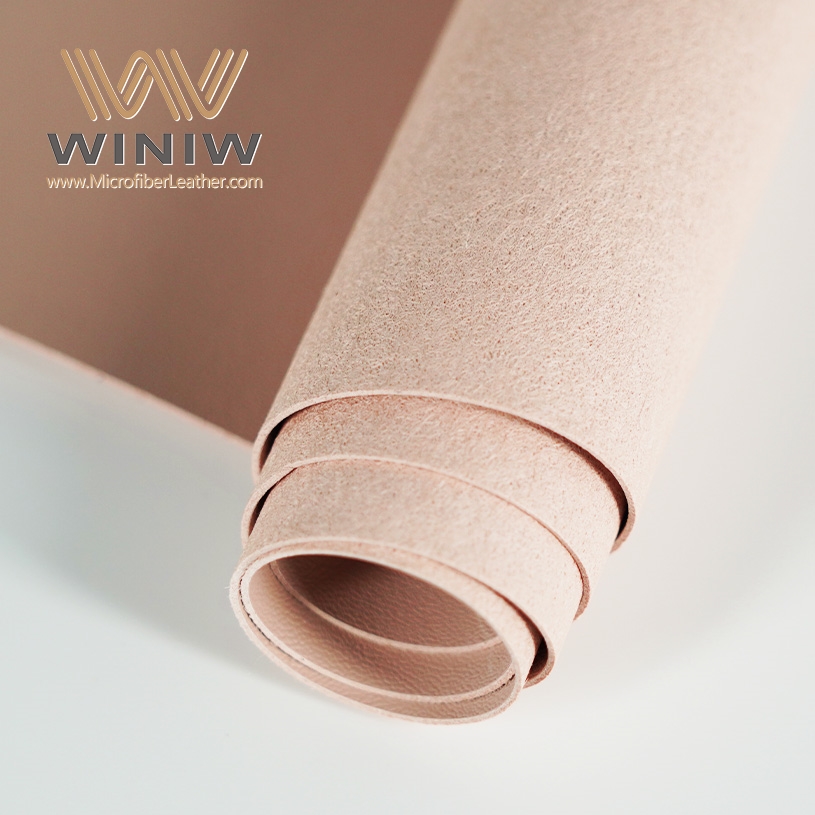
Le cuir de la tige d'une chaussure ne se contente pas de recouvrir votre pied. Il joue plusieurs rôles clés qui influencent le confort et les performances de vos chaussures au quotidien. Voici les principales fonctions du cuir de la tige d'une chaussure :
Offre un confort optimal en s'adaptant à la forme de votre pied.
Garantit la durabilité, notamment lorsqu'il est fabriqué à partir de cuir pleine fleur ou naturel.
Améliore le style et l'aspect général de vos chaussures.
Offre soutien et stabilité, assurant un maintien optimal du pied.
Permet une bonne aération, ce qui contribue à prévenir l'humidité et les odeurs.
Vous pouvez trouver un résumé de ces fonctions dans le tableau ci-dessous :
|
Fonction |
Description |
|---|---|
|
Confort |
La tige offre un ajustement confortable et s'adapte à la forme du pied. |
|
Durabilité |
Les empeignes en cuir sont réputées pour leur durabilité et leur résistance. |
|
Style |
Le choix du cuir contribue à l'esthétique générale de la chaussure. |
|
Soutien |
La tige maintient le pied en place, assurant le soutien et la stabilité nécessaires. |
|
respirabilité |
Une bonne ventilation contribue au confort et prévient la prolifération de champignons. |
Le cuir naturel excelle dans tous ces domaines. Sa capacité à réguler l'air et l'humidité maintient vos pieds à une température agréable. Le cuir utilisé pour les chaussures offre également de la chaleur par temps frais et reste frais par temps chaud. La tige en cuir soutient votre pied et contribue à limiter les mouvements excessifs à l'intérieur de la chaussure. Ce soutien réduit le risque d'ampoules et de blessures.
En comparant les matériaux de la tige des chaussures, vous constaterez que le cuir naturel et le cuir synthétique offrent systématiquement un meilleur confort, une plus grande durabilité et un style supérieur. Choisir le bon matériau pour la tige peut faire toute la différence quant au confort et à la durée de vie de vos chaussures.
Lorsque vous portez des chaussures en cuir naturel, vous ressentez immédiatement la différence en termes de confort. Le cuir naturel s'adapte à la forme unique de votre pied, vous offrant ainsi un ajustement personnalisé. Au fil du temps, la matière se moule à votre pied, réduisant les points de pression et les irritations. C'est particulièrement bénéfique en cas de déformations du pied ou de peau sensible. Le confort s'améliore au fur et à mesure que vous portez les chaussures, rendant chaque pas plus naturel.
Le cuir pour chaussures se distingue par sa respirabilité. Naturellement poreux, il permet à l'air et à la vapeur d'eau de circuler. Cela contribue à réguler la température à l'intérieur de vos chaussures et à garder vos pieds au sec. Des pieds secs préviennent les mauvaises odeurs et l'accumulation d'humidité. La respirabilité empêche également le développement de champignons, un problème fréquent avec les matériaux moins aérés.
Les chaussures fabriquées en cuir de haute qualité offrent un niveau de confort qui matériaux synthétiques Rien ne peut rivaliser. Les propriétés mécaniques du cuir, comme un coefficient de Poisson plus élevé, lui confèrent une meilleure stabilité dimensionnelle. Vos chaussures conservent ainsi leur forme tout en offrant un chaussant souple et confortable.
Vous bénéficiez ainsi d'un confort, d'une respirabilité et d'un maintien optimaux qui soutiennent votre pied tout au long de la journée. Si vous souhaitez des chaussures confortables dès le premier essayage et qui s'embellissent avec le temps, optez pour des tiges en cuir véritable ou en cuir naturel.
La durabilité est une des principales raisons pour lesquelles de nombreuses personnes privilégient le cuir pour la tige de leurs chaussures. Un cuir de haute qualité résiste bien mieux à l'usure quotidienne que la plupart des matières synthétiques. La robustesse du cuir naturel provient de sa structure fibreuse dense, qui lui confère une excellente résistance à la traction et à l'abrasion. Le cuir pleine fleur est le plus durable et, avec un entretien approprié, il peut durer toute une vie.
Vous pouvez constater comment le cuir se compare aux matériaux synthétiques en termes de durée de vie :
|
Type de partie supérieure |
Durée de vie moyenne |
|---|---|
|
Cuir |
10 à 30 ans (avec soins) |
|
Synthétique |
1 à 5 ans |
Le cuir utilisé pour les chaussures est également imperméable une fois traité, protégeant ainsi vos pieds par temps humide. Sa respirabilité contribue à réguler la température et l'humidité, ce qui prévient sa dégradation prématurée. Un cuir de haute qualité épouse la forme de votre pied, améliorant le confort et réduisant les tensions sur le matériau. Cela contribue à prolonger la durée de vie de vos chaussures.
Les tiges en cuir résistent à l'usure quotidienne.
Le cuir pleine fleur offre une résistance et une durabilité maximales.
Le cuir traité repousse l'eau et protège vos pieds.
Les alternatives synthétiques n'égalent généralement pas la résistance du cuir véritable.
Pour des chaussures durables, investissez dans un cuir de haute qualité. Vous constaterez la différence, tant au niveau de la résistance que du confort.
Le style est primordial lorsqu'on choisit des chaussures, et le cuir offre de nombreuses possibilités. L'apparence du cuir varie selon son type, comme le veau ou le daim. Cette variété permet de choisir des chaussures adaptées aux occasions formelles comme décontractées. On peut porter des chaussures en cuir au travail, à l'école ou lors d'événements spéciaux, et elles sont toujours élégantes.
Le cuir de haute qualité apporte une touche classique à toutes vos tenues. Ce matériau se patine avec élégance au fil du temps, développant une patine unique. Ainsi, chaque paire de chaussures devient encore plus belle à l'usage. Le cuir véritable se décline également en de nombreuses finitions et couleurs, vous permettant de trouver un style qui correspond à vos goûts.
Le cuir permet de les porter en toutes occasions. On peut les associer à des jeans, des tailleurs ou des robes, et elles ajoutent toujours une touche de sophistication.
Choisir le cuir naturel pour ses chaussures, c'est opter pour un confort optimal, un ajustement parfait, une grande durabilité et un style impeccable. La respirabilité et la robustesse de cette matière en font un choix judicieux pour quiconque recherche à la fois fonctionnalité et élégance.
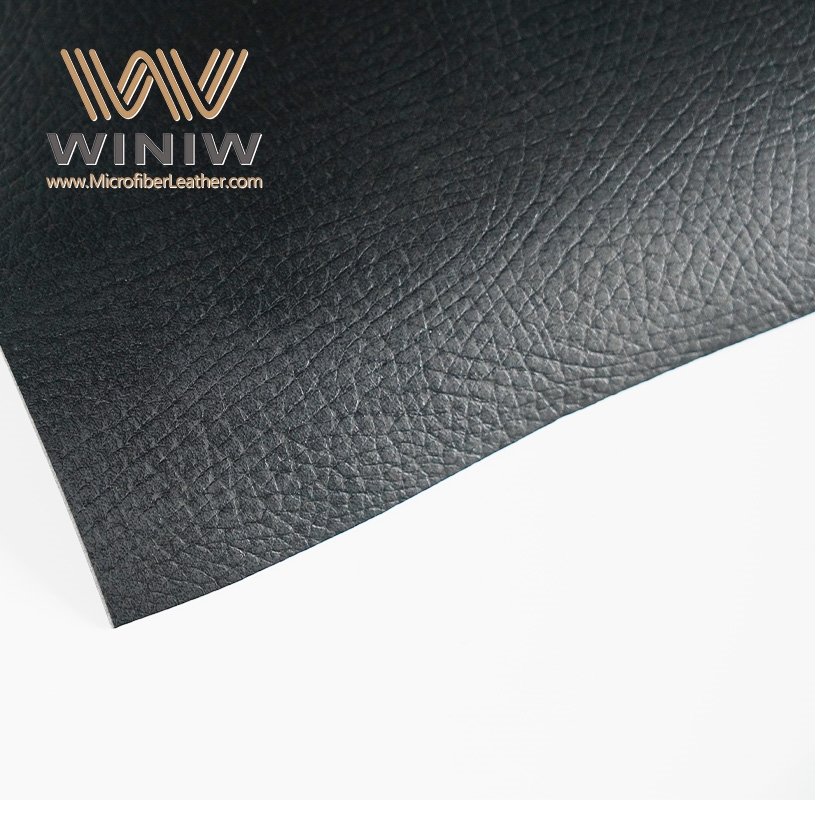
Lorsqu'on achète des chaussures, on rencontre souvent du cuir pleine fleur et du cuir de vachette fleur corrigée. Le cuir pleine fleur se distingue par sa robustesse et sa durabilité. Il conserve son grain naturel, ce qui lui permet de bien vieillir et de développer une riche patine. On trouve des finitions aniline et pigmentées pleine fleur sur les bottes et chaussures habillées haut de gamme. Le cuir de vachette fleur corrigée, quant à lui, est traité pour éliminer les imperfections. Il en résulte un aspect poli et une couleur uniforme. Plus souple au toucher et nécessitant moins d'entretien, le cuir de vachette fleur corrigée est un choix pratique au quotidien.
|
Propriété |
Cuir pleine fleur |
Cuir pleine fleur |
|---|---|---|
|
Durabilité |
Très résistant et durable |
Moins durable en raison du traitement |
|
Esthétique |
Développe une riche patine, des caractéristiques naturelles uniques |
Coloration uniforme, surface polie |
|
Confort |
Rigidité initiale, période de rodage plus longue |
Plus confortable grâce au traitement |
|
Entretien |
Nécessite des réparations, présente des rayures |
Plus facile à nettoyer, résiste aux taches |
|
Coût |
Prix plus élevé, investissement à vie |
Plus abordable, bon équilibre |
Tu vois nubuck On retrouve le daim dans les chaussures décontractées et haut de gamme. Le nubuck est issu du cuir naturel, poncé pour obtenir une texture veloutée. Il est luxueux et doux au toucher, mais nécessite un entretien régulier pour préserver son aspect. Le daim, fabriqué à partir de l'envers de la peau, est doux et duveteux. Moins résistant et non imperméable, il est préférable d'éviter les environnements humides. Cuir verni Elle présente une finition brillante. On la choisit pour les chaussures habillées lorsqu'on souhaite un look élégant et raffiné.
Nubuck : Baskets et bottes haut de gamme, veloutées et résistantes.
Daim : Chaussures souples et décontractées, moins résistantes à l’eau.
Cuir verni : Chaussures élégantes et brillantes, style remarquable.
Le choix du cuir idéal pour vos chaussures dépend de vos besoins et de vos préférences. Tenez compte de la fréquence à laquelle vous les portez et des conditions auxquelles elles sont exposées. Pour une qualité durable, le cuir pleine fleur ou le cuir véritable sont d'excellents choix. Pour le style et la facilité d'entretien, le cuir de vachette pleine fleur ou le cuir verni s'adapteront parfaitement à votre quotidien. L'épaisseur du cuir est également importante. Un cuir plus épais offre un meilleur maintien et une plus grande résistance, tandis qu'un cuir plus fin est plus léger et plus souple. Choisissez toujours le matériau de vos chaussures en fonction de votre activité et de votre environnement.
Conseil : Alternez vos chaussures et rangez-les dans un endroit frais et sec. Cela contribue à prolonger la durée de vie du cuir naturel et à préserver l’aspect neuf de vos chaussures.
Quand on compare le cuir naturel à tiges synthétiques Vous remarquerez des différences notables en termes de confort, de durabilité et d'entretien. Le cuir naturel s'étire et s'adapte à votre pied, offrant un ajustement personnalisé. Le similicuir, quant à lui, reste rigide et peut s'avérer inconfortable, surtout si vous portez vos chaussures pendant de longues périodes. Le cuir véritable se distingue par son exceptionnelle durabilité. Il peut durer entre 30 et 50 ans, tandis que les options synthétiques ne durent généralement que de 2 à 5 ans. Investir dans des chaussures en cuir est donc judicieux et durable.
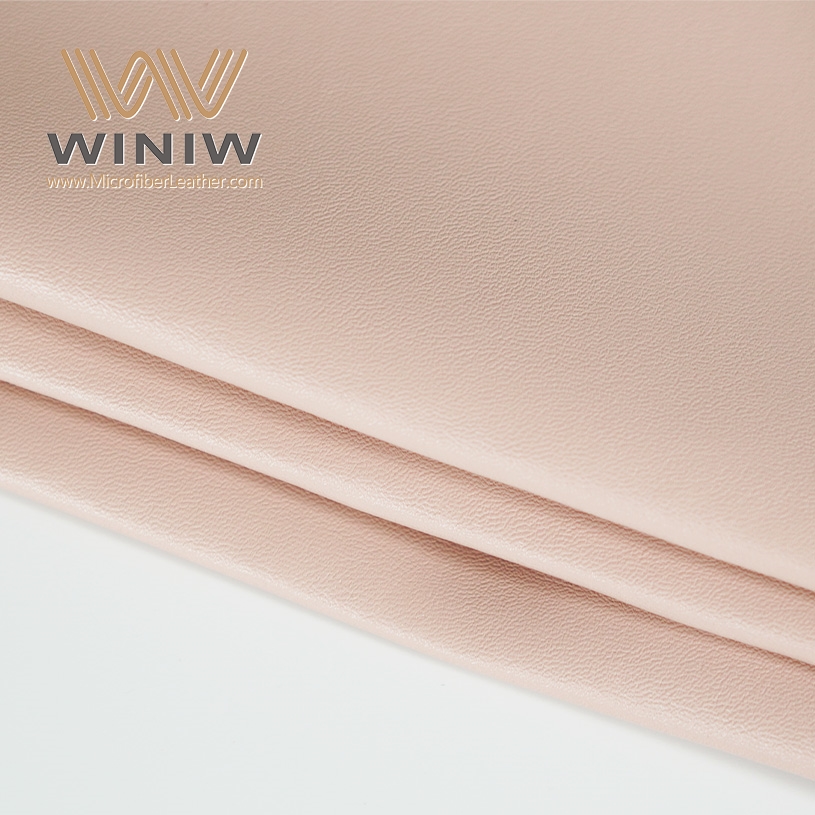
Le nettoyage et l'entretien diffèrent également. Consultez ce tableau :
|
Matériel |
Nettoyage et entretien |
|---|---|
|
cuir véritable |
Nécessite un nettoyage, un entretien et un polissage réguliers. Sensible à l'eau et aux produits chimiques. |
|
cuir synthétique |
Facile à nettoyer avec un chiffon humide et du savon doux. Moins de temps et d'efforts requis. |
Le cuir naturel offre une meilleure respirabilité et un meilleur maintien. Les matières synthétiques retiennent souvent la chaleur et l'humidité, ce qui peut engendrer de l'inconfort. De plus, les empeignes en cuir épousent la forme du pied, contrairement aux empeignes synthétiques.
Remarque : Le cuir offre durabilité, respirabilité et un ajustement qui s’améliore avec le temps. Les tiges synthétiques sont plus faciles d’entretien, mais leur durée de vie peut être moindre.
Vous vous interrogez peut-être sur l'impact environnemental de vos choix de chaussures. Le cuir synthétique a une empreinte carbone plus faible lors de sa production, avec des émissions d'environ 15,8 kg d'équivalent CO2. Le cuir véritable, quant à lui, émet environ 22,5 kg. Cependant, le cuir naturel dure 10 à 15 fois plus longtemps que les chaussures synthétiques, ce qui signifie que vous les remplacerez moins souvent.
Considérez les points suivants :
Le cuir synthétique utilise des plastiques comme le PU ou le PVC, qui ne se décomposent pas naturellement. Ces matériaux peuvent mettre des centaines d'années à se décomposer et peuvent libérer des microplastiques.
La production de similicuir peut engendrer des déchets et de la pollution.
Le cuir véritable, bien qu'il nécessite davantage de ressources pour sa production, offre une plus grande longévité et réduit le besoin de remplacements fréquents.
Au premier abord, le prix des chaussures en cuir peut paraître élevé. Cependant, leur durabilité justifie leur coût à long terme. Les matériaux bon marché s'usent plus vite, ce qui vous oblige à racheter des chaussures plus fréquemment. Les chaussures en cuir offrent généralement un meilleur rapport qualité-prix sur toute leur durée de vie.
Conseil : Si vous souhaitez des chaussures durables et confortables, privilégiez le cuir. Vous contribuez ainsi à réduire les déchets et vous en avez plus pour votre argent.
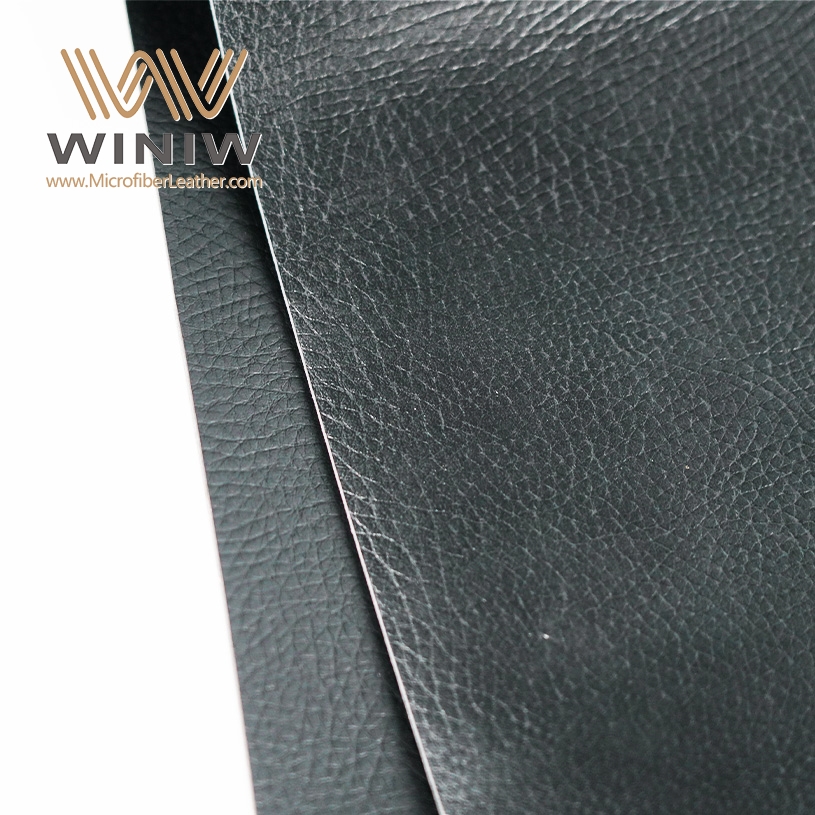
Pour reconnaître un cuir de qualité, vérifiez quelques caractéristiques clés. Privilégiez le cuir de première qualité, provenant de la meilleure partie de la peau. Le dos d'une peau de première qualité offre le matériau le plus résistant et durable. Le cuir pleine fleur est le choix par excellence car il conserve sa surface naturelle et développe une riche patine au fil du temps. Le cuir aniline avec une fine finition acrylique offre à la fois brillance et respirabilité. Évitez les chaussures étiquetées « cuir véritable », car cela signifie souvent un matériau de moindre qualité, fabriqué à partir de chutes de cuir.
Conseil : Le cuir pleine fleur naturel est ferme et lisse au toucher, tandis que le cuir corrigé ou le cuir fortement traité peuvent paraître trop parfaits et manquer de caractère.
Quelques habitudes simples vous permettront de conserver l'aspect neuf de vos chaussures et d'en prolonger la durée de vie :
Utilisez des embauchoirs après chaque utilisation pour aider vos chaussures à conserver leur forme et éviter les plis.
Brossez vos chaussures après chaque utilisation pour enlever la poussière et l'humidité.
Rangez vos chaussures dans des sacs à poussière pour les protéger des rayures et de la saleté.
Nourrissez le cuir une fois par mois pour le garder souple et éviter les craquelures.
Alternez vos chaussures pour que chaque paire ait le temps de se reposer et de récupérer.
Un entretien régulier permet au cuir naturel de conserver sa souplesse et sa résistance. Les embauchoirs en cèdre absorbent également l'humidité, protégeant ainsi le cuir des dommages.
|
Aspect |
Routine d'entretien du cuir |
Routine d'entretien des produits synthétiques |
|---|---|---|
|
Nettoyage |
Brosses et produits de nettoyage spéciaux ; plus d'efforts nécessaires |
Un simple coup de chiffon humide suffit ; rapide et facile. |
|
Résistance à l'eau |
Nécessite des traitements protecteurs pour l'imperméabilité |
Naturellement résistant à l'eau ; nécessite rarement des traitements supplémentaires |
|
Maintenance à long terme |
Brossage régulier et embauchoirs ; plus d’attention nécessaire |
Entretien minimal ; séchage à l'air libre et meilleure tenue de forme |
Vous avez peut-être entendu des idées reçues sur les chaussures en cuir naturel. Beaucoup pensent que le cuir fait transpirer et tient chaud aux pieds, mais en réalité, il est respirant et assure un confort optimal. Certains croient que les chaussures en cuir s'usent vite, mais avec un entretien approprié, elles peuvent durer 20 à 30 ans, voire plus. D'autres affirment que les chaussures en cuir ne sont jamais confortables si elles sont trop serrées au départ. En réalité, le cuir naturel s'assouplit et épouse la forme du pied, offrant ainsi un confort sur mesure au fil du temps.
N'oubliez pas : un bon entretien et les connaissances appropriées vous permettront de tirer le meilleur parti de vos chaussures en cuir.
Vous comprenez maintenant pourquoi le cuir reste un matériau de prédilection pour les tiges de chaussures. Les experts soulignent sa durabilité, son confort et sa respirabilité. Avec un entretien approprié, le cuir dure des décennies. En explorant de nouvelles options, soyez attentif à… cuirs à base de plantes , le polyuréthane résistant à l'hydrolyse, les semelles en caoutchouc naturel et les matières synthétiques recyclées façonnent l'avenir de la chaussure.

Utilisez une brosse douce ou un chiffon. Appliquez un nettoyant pour cuir. Essuyez délicatement. Laissez sécher vos chaussures à l'air libre. Évitez de tremper le cuir.
Vérifiez le grain naturel. Touchez le cuir pour évaluer sa douceur et sa souplesse. Recherchez les étiquettes comme « pleine fleur » ou « grain supérieur ». cuir synthétique Elle semble plus rigide et d'apparence uniforme.
Oui, le cuir s'étire et épouse la forme de votre pied avec le temps. Le confort s'améliore à mesure que la matière s'adapte à votre morphologie.
Winiw International Co.,Ltd


Analyse de wechat:



 Tél. : +86 18150976625
 Messagerie : Market@MicrofiberLeather.com