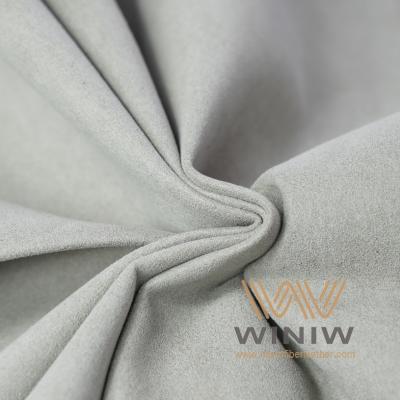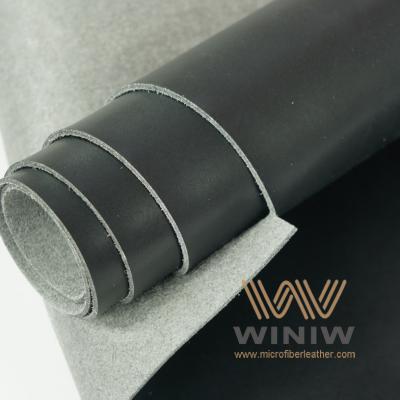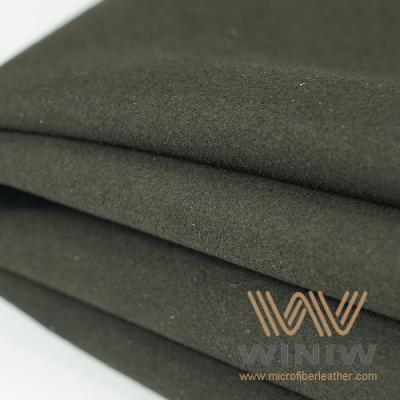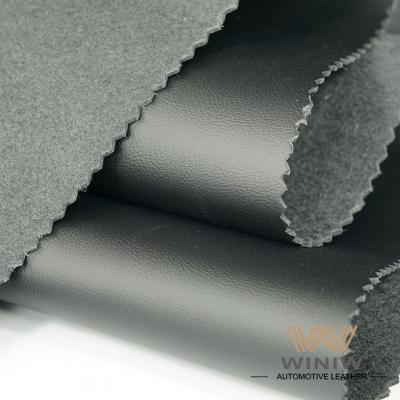
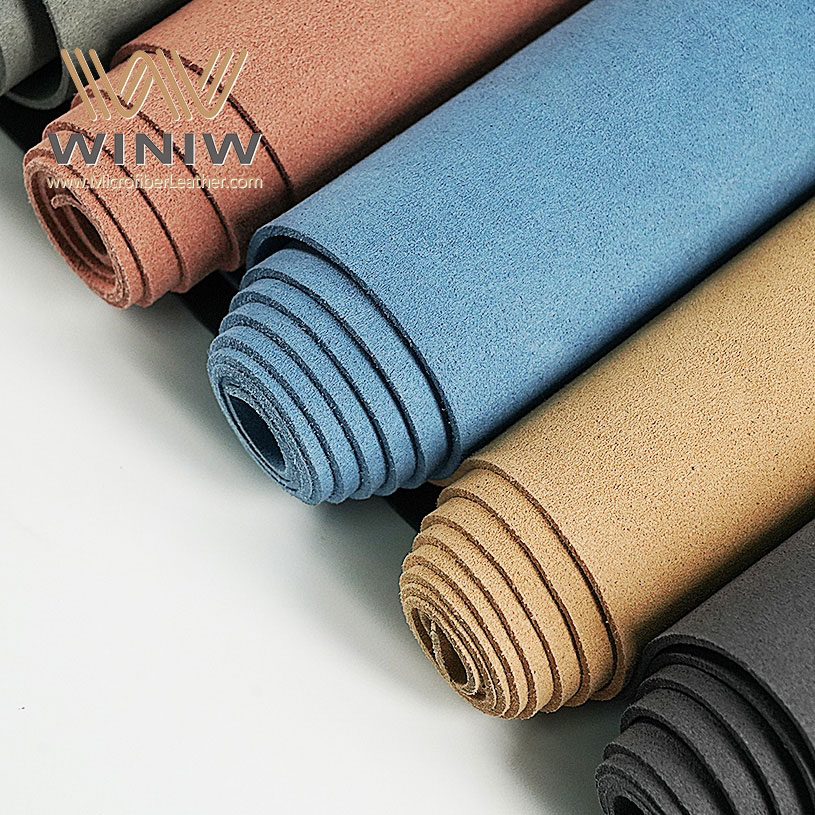
Vous vous demandez peut-être ce qu'est cuir végétalien Le cuir végan offre une alternative sans produits animaux au cuir traditionnel. En choisissant le cuir végan, vous contribuez à la protection des animaux et de la planète. De nombreuses personnes apprécient le cuir végan pour leurs canapés et autres meubles. maison Décoration. Les canapés en cuir végétalien vous offrent confort, style et un choix sans cruauté.
cuir végétalien Elle offre une alternative élégante et sans produits animaux au cuir traditionnel, ce qui en fait un excellent choix pour les consommateurs soucieux d'éthique.
Choisir un canapé en cuir végétalien soutient les pratiques respectueuses de l'environnement, car ces canapés utilisent souvent moins de ressources et réduisent la demande en produits issus de l'élevage animal.
Les canapés en cuir végétalien sont durables, faciles à nettoyer et se déclinent dans une grande variété de couleurs et de styles, ce qui les rend parfaits pour les foyers actifs.
Le cuir végétalien vous permet de profiter de l'aspect et du toucher du cuir sans utiliser d'animaux. produits Vous pouvez le choisir pour des raisons éthiques, environnementales ou par goût personnel. Ce matériau n'implique aucune cruauté envers les animaux. Il contribue également à réduire l'impact environnemental lié au cuir traditionnel. De plus en plus de personnes s'intéressent au cuir végan car il représente une alternative moderne et responsable pour l'ameublement et la mode.
Vous constaterez que le cuir végan provient de diverses sources. Les types les plus courants utilisent des matériaux à base de plastique comme le polyuréthane (PU) et le polychlorure de vinyle (PVC). Ces matériaux imitent la texture et l'apparence du cuir animal. Certaines marques utilisent des options végétales innovantes, telles que le liège, les déchets de fruits ou les algues. Ces matériaux biosourcés offrent une alternative plus durable.
Lorsqu'on observe le processus de fabrication du cuir végétalien, on constate quelques étapes clés :
Les fabricants choisissent soit des matériaux synthétiques comme le polyuréthane, soit des fibres naturelles comme le liège ou les déchets de fruits.
Ils transforment ces matériaux pour créer une texture similaire à celle du cuir animal.
Les fibres sont mélangées à des liants et des huiles pour former une feuille souple, semblable à du cuir.
Le produit final est teint et traité pour améliorer sa durabilité et sa résistance à l'eau.
Note: Le cuir végan fabriqué à partir de PU et de PVC n'est pas biodégradable et peut libérer des microplastiques au fil du temps. Cependant, sa production nécessite moins d'eau et de terres que celle du cuir animal. Par exemple, l'empreinte carbone du cuir de vache est d'environ 110 kg CO₂e par mètre carré, tandis que celle du cuir végan synthétique est bien moindre, de l'ordre de 7 à 15,8 kg CO₂e par mètre carré. Ainsi, opter pour le cuir végan permet de réduire son impact sur le climat.
Vous vous demandez peut-être quelle est la différence entre le cuir végétalien et Qu'est-ce que le simili cuir ? Dans la plupart des cas, ces termes désignent des matériaux similaires. Le cuir végan et le simili cuir utilisent tous deux des ingrédients synthétiques ou végétaux à la place du cuir animal. Cependant, le cuir végan exclut systématiquement tout produit d'origine animale et privilégie une production éthique. Le simili cuir peut parfois contenir des matériaux moins durables ou ne répondant pas à la norme d'origine animale.
Voici un tableau pour vous aider à comparer les deux :
|
Fonctionnalité |
cuir végétalien |
faux cuir |
|---|---|---|
|
Composition |
Fabriqué principalement à partir de polyuréthane ou de fibres végétales |
Fabriqué à partir de divers matériaux, notamment le PU, le PVC et la microfibre. |
|
Durabilité |
Plus durable que le cuir traditionnel |
Peut être moins durable que certains cuirs végétaliens. |
Vous vous demandez peut-être aussi : quel est l’impact environnemental du similicuir ? Le similicuir utilise parfois du PVC, dont l’impact environnemental peut être plus important que celui de certains cuirs véganes d’origine végétale. En choisissant le cuir végan, vous optez souvent pour un produit à la fois sans produits animaux et plus respectueux de l’environnement.
Conseil: Si vous souhaitez un canapé qui corresponde à vos valeurs, le cuir végétalien vous offre une option élégante, éthique et à moindre impact environnemental comparée au cuir animal.
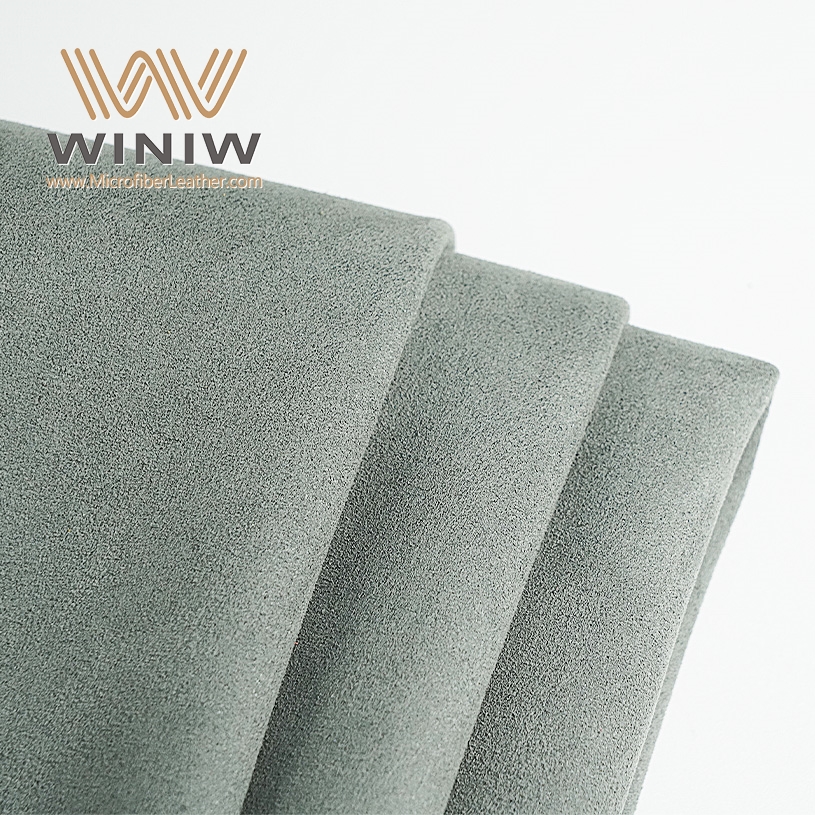
Vous souhaitez un canapé durable et esthétique ? Les canapés en cuir végan offrent une résistance exceptionnelle au quotidien. La plupart sont fabriqués en polyuréthane ou autres matériaux de pointe, résistants aux rayures et aux taches. Grâce à leur surface non absorbante, les liquides se nettoient facilement en cas de renversement. C’est pourquoi les canapés en cuir végan sont idéaux pour les foyers actifs.
Voici un aperçu comparatif de la durée de vie :
|
Facteur |
cuir végétalien |
cuir véritable |
|---|---|---|
|
Durée de vie |
2 à 10 ans |
10 à 30 ans et plus |
Vous savez que le cuir véritable dure plus longtemps, mais les canapés en similicuir offrent une durabilité suffisante pour la plupart des foyers. Les fabricants ont amélioré la qualité du similicuir, ce qui vous permet d'obtenir un canapé robuste qui résiste à une utilisation régulière.
Le style est primordial pour la décoration de votre intérieur. Le cuir végan vous offre un choix plus vaste que le cuir traditionnel. Vous pouvez opter pour une large palette de couleurs et de finitions. Son procédé de fabrication garantit des textures uniformes et des teintes éclatantes. Découvrez des options comme des tons riches et profonds, des teintes neutres et naturelles, et même des finitions vieillies pour une ambiance décontractée. Choisissez une surface brillante ou mate selon vos envies.
Conseil: Les canapés en cuir végétalien vous permettent de personnaliser votre espace avec des couleurs et des styles que le cuir véritable ne peut offrir.
Vous êtes soucieux de l'environnement et du bien-être animal. Les canapés en cuir végan vous permettent de faire un choix responsable. La production de cuir végan consomme moins de ressources et réduit la demande en produits issus de l'élevage. De nombreuses marques utilisent des matériaux d'origine végétale comme le liège, les fibres de champignons ou le polyester recyclé.
Voici quelques avantages environnementaux :
|
Aspect |
Avantages du cuir végétalien |
|---|---|
|
Impact sur l'élevage |
Impact environnemental moindre comparé au cuir animal |
|
Composition du matériau |
Souvent fabriqués à partir de matériaux d'origine végétale |
|
Demande de produits animaux |
Réduit le besoin en produits d'origine animale |
|
Dommages environnementaux |
Évite les produits chimiques nocifs libérés lors du traitement du cuir |
|
Considérations éthiques |
Alternative durable et sans cruauté |
|
Respect de l'environnement |
Une alternative écologique au cuir |
|
Éthique et durable |
Imite le cuir véritable sans utiliser d'animaux |
En choisissant des canapés en cuir végétalien, vous soutenez également des valeurs éthiques. De nombreux consommateurs citent le bien-être animal, l'impact environnemental et la responsabilité sociale comme raisons principales de leur choix.
|
Considérations éthiques |
Description |
|---|---|
|
Bien-être animal |
La mode végane interdit les matières fabriquées par maltraitance animale, mettant l'accent sur la protection des animaux. |
|
Impact environnemental |
Les matériaux véganes sont associés à des pratiques respectueuses de l'environnement, contribuant ainsi à la préservation des écosystèmes. |
|
Responsabilité sociale |
La consommation de produits végétaliens est liée à des aspects éthiques plus larges, notamment l'éthique sociale. |
Les canapés en cuir végan s'inscrivent dans la tendance déco écoresponsable et respectueuse de l'environnement. Vous contribuez ainsi à réduire votre empreinte écologique et soutenez les marques qui privilégient une production responsable.
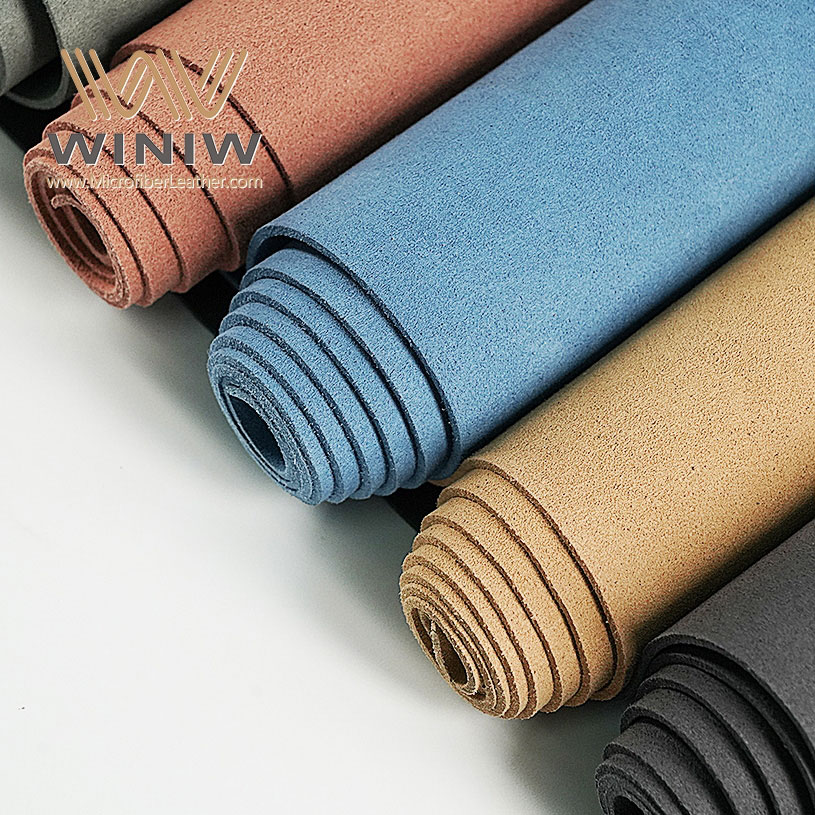
Vous souhaitez un canapé facile à nettoyer et à entretenir ? Les canapés en cuir végan vous simplifient la vie. Leur surface non poreuse résiste aux taches et aux éclaboussures. Un simple coup de chiffon humide suffit pour les nettoyer, et des lingettes pour bébé sans parfum sont idéales pour les retouches rapides.
Comparer le nettoyage et l'entretien :
|
Aspect |
Cuir végétalien (PU) |
Cuir véritable |
|---|---|---|
|
Facilité de nettoyage |
Plus facile à nettoyer, n'absorbe pas les liquides |
Plus sujet aux taches, nécessite un nettoyage soigneux |
|
Fréquence de conditionnement |
Hydratation minimale et occasionnelle nécessaire |
Nécessite un soin deux fois par an pour éviter le dessèchement. |
|
Produits de nettoyage |
On peut utiliser des nettoyants doux ou des lingettes pour bébé. |
Utiliser impérativement des produits de nettoyage homologués, éviter les abrasifs. |
L'entretien intensif du similicuir ne s'impose pas. Une hydratation occasionnelle avec un produit d'entretien pour vinyle suffit à préserver l'aspect neuf de vos canapés en similicuir. Évitez les produits agressifs comme le liquide vaisselle, le vinaigre ou le bicarbonate de soude, qui risquent d'endommager le matériau.
|
Produit de nettoyage |
Recommandation |
|---|---|
|
Nettoyant pour cuir végétalien |
Spécialement conçu pour l'entretien du cuir végétalien, afin d'éviter tout dommage. |
|
Lingettes désinfectantes |
Pratique, mais peut dessécher le matériau en raison de sa teneur en alcool. |
|
Produit vaisselle |
Peut provoquer une décoloration et éliminer les huiles, déconseillé pour le cuir végétalien. |
|
Vinaigre |
Risque de dessèchement du matériau en cas de mauvaise utilisation, en raison de ses propriétés acides. |
|
Bicarbonate de soude |
Laisse un résidu crayeux et peut réagir chimiquement avec le cuir végétalien, risquant de le ternir. |
Note: Vérifiez toujours l'étiquette d'entretien avant de nettoyer vos canapés en cuir végétalien.
Les canapés en similicuir résistent mieux aux taches et aux éclaboussures que la plupart des canapés en tissu. Vous passez moins de temps à vous soucier de l'entretien et plus de temps à profiter de votre mobilier.
Vous recherchez un bon rapport qualité-prix et un large choix pour votre nouveau canapé. Les canapés en similicuir coûtent souvent moins cher que ceux en cuir véritable, surtout lorsqu'ils sont fabriqués à partir de matériaux synthétiques. Certains similicuirs biosourcés, comme le liège ou les algues, peuvent être plus chers en raison de coûts de production plus élevés. Cependant, vous trouverez tout de même de nombreuses options abordables sur le marché.
On trouve aujourd'hui une grande variété de modèles et de marques proposant des canapés en cuir végan. Chesterfields a lancé une gamme en cuir végan pour répondre à la demande de meubles écologiques. The Futon Shop propose des canapés végans élégants et de haute qualité, fabriqués à partir de matériaux durables.
Voici quelques styles et finitions populaires :
Des couleurs riches et profondes : vert émeraude, bleu saphir, bordeaux
Couleurs neutres et naturelles : camel, taupe, terracotta
Un look vieilli et patiné pour une ambiance décontractée
Des finitions brillantes pour une touche moderne
Surfaces mates pour un aspect plus doux
Les canapés en similicuir se déclinent en de nombreuses formes et dimensions. Vous trouverez des modèles classiques, contemporains et minimalistes pour satisfaire tous les goûts. Le similicuir présente de nombreux avantages : prix abordable, facilité d’entretien et un large choix de couleurs et de textures.
Appeler: Le marché des canapés en cuir végétalien est en pleine expansion. Les innovations en matière de matériaux végétaux et de méthodes de production vous offriront encore plus de choix à l'avenir.
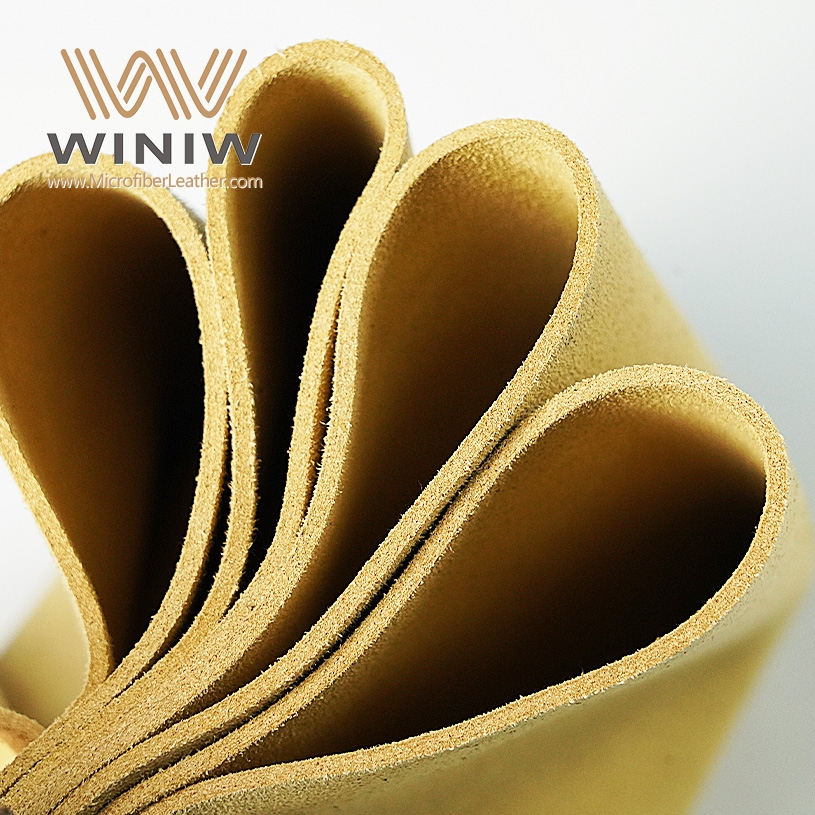
Vous souhaitez que votre canapé soit confortable. Le cuir véritable offre une excellente respirabilité et épouse les formes de votre corps au fil du temps. Le similicuir et le cuir végan sont moins respirants, ce qui peut les rendre plus chauds lors d'une utilisation prolongée. Cependant, les fabricants améliorent constamment le confort en ajoutant des couches respirantes et un rembourrage moelleux.
|
Matériel |
Respirabilité |
|---|---|
|
faux cuir |
Faible |
|
Cuir véritable |
Haut |
Le cuir met du temps à se réchauffer à la température du corps. Les canapés en cuir végan ne présenteront peut-être pas les mêmes marques d'usure que le cuir véritable, mais ils offrent tout de même une assise confortable avec un rembourrage moderne.
Vous souhaitez un mobilier en accord avec vos valeurs et votre style de vie. Les canapés en cuir végan allient durabilité, style, facilité d'entretien, prix abordable et respect de l'éthique. Vous privilégiez les pratiques respectueuses du bien-être animal et durables. Vous appréciez un large choix de couleurs et de designs. Vous consacrez moins de temps à l'entretien et plus de temps à la détente.
Les canapés en cuir végan s'intègrent parfaitement aux intérieurs modernes. Vous agissez ainsi positivement pour l'environnement et le bien-être animal. Vous choisissez un canapé esthétique, confortable et qui reflète votre engagement pour un mode de vie responsable.
Choisir des canapés en cuir végétalien pour votre maison présente de nombreux avantages.
Le cuir végétalien offre un confort sans cruauté et un style moderne.
Vous appréciez la facilité de nettoyage, la durabilité et un large choix de couleurs.
Le cuir végétalien convient aux familles actives et favorise un mode de vie écologique.
|
Avantage |
Description |
|---|---|
|
Meubles de salon sans animaux |
Le cuir végétalien offre tranquillité d'esprit et garantie éthique. |
|
Éthique moderne, style intemporel |
Le cuir végétalien correspond à vos valeurs et à l'esthétique de votre intérieur. |
Le cuir végan vous permet d'harmoniser votre style de vie avec vos valeurs. Vous soutenez le développement durable et profitez d'un mobilier pratique et élégant.

Vous savez, le cuir végétalien exclut toujours les produits d'origine animale. Faux cuir Elle utilise parfois des ingrédients d'origine animale. Le cuir végétalien privilégie une production éthique et durable.
Les canapés en cuir végan et en simili cuir offrent une durabilité similaire. Tous deux résistent aux taches et aux rayures. Le cuir végan est facile à nettoyer et apporte une touche de modernité.
Pour nettoyer les canapés en cuir végan et en simili cuir, utilisez un chiffon humide. Évitez les produits nettoyants agressifs. Le cuir végan nécessite moins d'entretien que le simili cuir.
Conseil : Vérifiez toujours l'étiquette d'entretien avant de nettoyer un canapé en cuir végétalien ou en simili cuir.
|
Type de canapé |
Méthode de nettoyage |
Conditionnement nécessaire |
|---|---|---|
|
cuir végétalien |
Chiffon humide, savon doux |
Minimal |
|
Faux cuir |
Chiffon humide, savon doux |
Occasionnel |
Winiw International Co.,Ltd


Analyse de wechat:



 Tél. : +86 18150976625
 Messagerie : Market@MicrofiberLeather.com