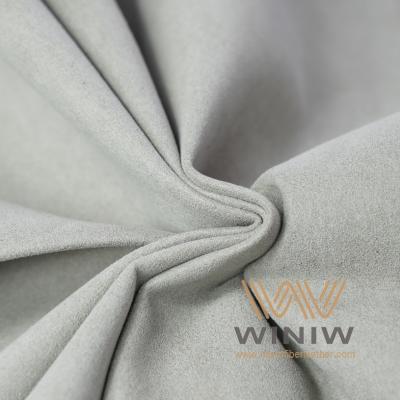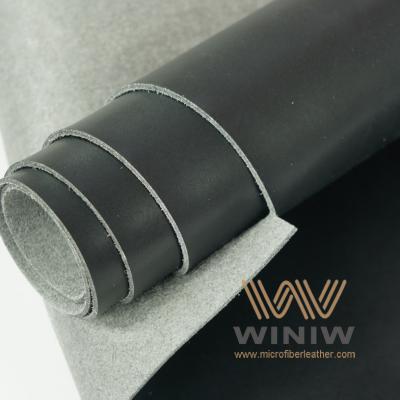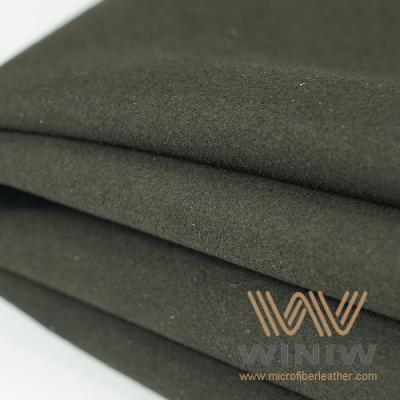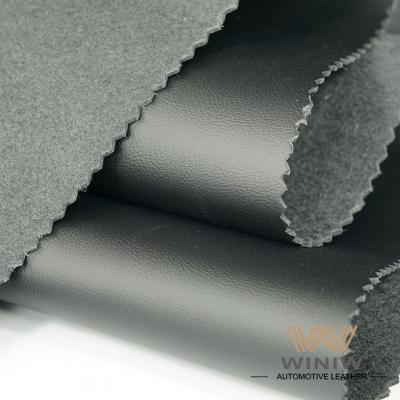
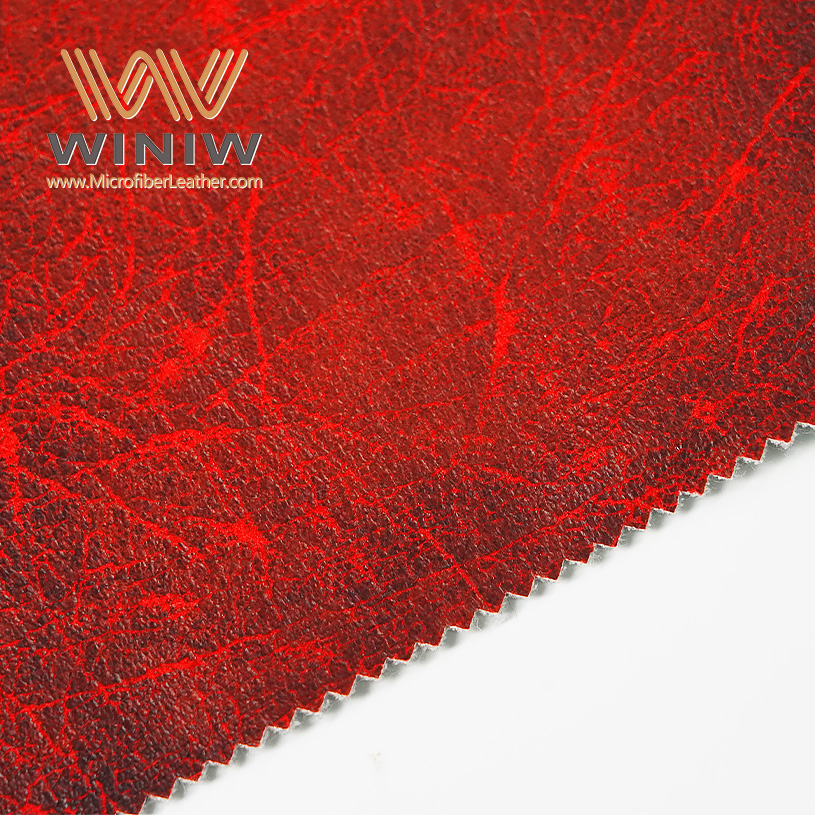
Vous voyez un cuir végétalien Installez-vous sur cette chaise et remarquez immédiatement sa finition lisse et son style moderne. On l'appelle similicuir ou cuir synthétique. Cette chaise utilise des matériaux écologiques au lieu de peaux animales. Chaque choix écoresponsable que vous faites contribue à la protection de la planète. Le processus de fabrication écologique évite les tests sur les animaux et réduit la pollution. Vous vous asseyez sur une chaise qui soutient des valeurs écologiques et un mode de vie sans cruauté. Les sondages montrent que vous êtes sensible à un mode de vie écologique, à la qualité et au bien-être animal. Découvrez pourquoi vous et d'autres optez pour cette solution écoresponsable :
|
Raison du choix des chaises en cuir végétalien |
Pourcentage |
|---|---|
|
préoccupations environnementales |
72% |
|
Qualité |
72% |
|
bien-être animal |
63% |
|
Expression personnelle |
61% |
|
Coût |
56% |
Les chaises en cuir végétalien offrent une alternative élégante et éthique au cuir traditionnel, utilisant matériaux écologiques comme le liège, les algues et les plastiques recyclés.
Choisir le cuir végétalien, c'est soutenir le bien-être animal et réduire l'impact environnemental, ce qui en fait un choix populaire auprès des consommateurs soucieux de développement durable.
Un entretien approprié peut prolonger la durée de vie de votre fauteuil en cuir végétalien, garantissant ainsi son confort et son esthétique pendant des années.
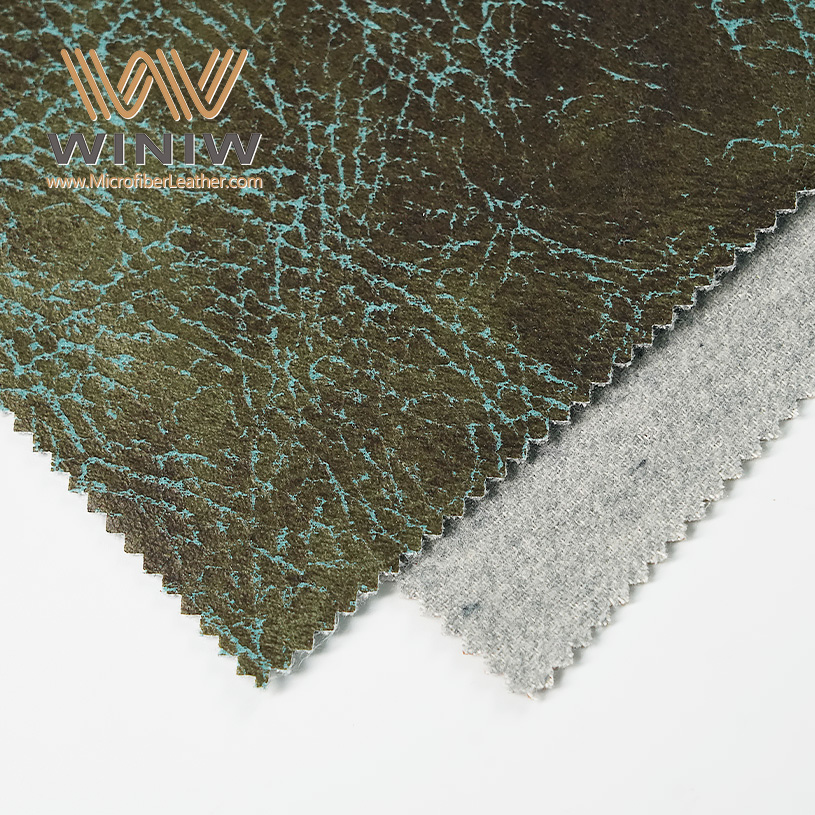
Une chaise en cuir végan vous offre une option d'assise élégante et éthique. Ces chaises sont fabriquées à partir de matériaux innovants comme le liège, les algues ou le plastique recyclé. On les appelle aussi chaises en similicuir. chaises en similicuir ou en cuir synthétique Vous choisissez une chaise en cuir végétalien car elle évite l'utilisation d'animaux. produits et soutient les valeurs écologiques. De nombreux consommateurs privilégient désormais ce type de chaise pour son design moderne et sa production durable.
Vous constaterez plusieurs avantages en choisissant une chaise en cuir végétalien :
Rapport coût-efficacité : Vous payez moins cher qu'avec le cuir traditionnel.
Durabilité : Vous soutenez les matériaux renouvelables et réduisez votre impact environnemental.
Production éthique : vous évitez de nuire aux animaux.
Polyvalence : Vous appréciez une variété de textures et de finitions qui imitent le cuir animal.
Durabilité : Vous bénéficiez d'une résistance à l'usure, aux fissures et aux taches.
Respect de l'environnement : Vous contribuez à réduire les émissions toxiques lors de la production.
Astuce : Les chaises modernes en cuir végétalien peuvent durer des années avec un entretien approprié, ce qui réfute le mythe selon lequel elles ne sont pas durables.
On constate que 90 % des consommateurs de la génération X sont prêts à dépenser davantage pour des produits durables. Nombreux sont ceux qui souhaitent préserver l'environnement et réduire les déchets. Les fauteuils en cuir végan répondent à ces objectifs.
|
Caractéristiques |
cuir végétalien |
faux cuir |
cuir véritable |
|---|---|---|---|
|
Origine du matériau |
sources organiques ou recyclées |
À base de plastique |
Produits animaux |
|
Impact environnemental |
Plus durable |
Impact élevé |
impact généralement plus élevé |
|
Durabilité |
Modéré |
Modéré |
Haut |
|
Qualité et sensation |
Variable, souvent synthétique |
Variable, souvent synthétique |
Supérieur |
On trouve des fauteuils en cuir végan dans de nombreux types de meubles. Ils sont présents dans les fauteuils inclinables pour le confort, les poufs pour leur polyvalence et les lits pour une touche de luxe. Les canapés et les chaises de salle à manger utilisent également le cuir végan pour sa facilité d'entretien et son design ergonomique. Des marques de renom comme Stella McCartney et Matt & Nat proposent des modèles élégants pour votre intérieur. maison .
Vous rencontrez de nombreux types de cuir végétalien Le similicuir est très répandu sur le marché actuel. Les fabricants utilisent des matériaux synthétiques et végétaux pour créer du cuir artificiel. Le polyuréthane (PU) et le polychlorure de vinyle (PVC) sont parmi les options synthétiques les plus courantes. cuir PU Elle se distingue par sa grande résistance à l'usure et à l'eau, mais elle ne se dégrade pas dans la nature. cuir PVC Elle paraît plus rigide et peut se fissurer avec le temps. cuir microfibre Il offre un toucher doux et une bonne durabilité, mais sa durée de vie est inférieure à celle du cuir véritable.
Vous trouverez également des options de cuir végétalien à base de plantes. Celles-ci utilisent des sources naturelles comme le cactus, l'ananas, le champignon, la pomme, la mangue et le kombucha. Chaque matériau végétal possède des qualités uniques :
Cactus : Souple et agréable au toucher, mais moins durable que le cuir synthétique.
Kombucha : Durable et facile à réparer, mais sa durée de vie est plus courte.
Ananas (Piñatex) : Abordable et écologique, mais peut s'abîmer facilement.
Champignon : Solide, souple et plus résistant à l'eau, mais peut contenir du plastique.
Apple : Durable et résistant à l’eau, mais son aspect est plus synthétique en raison de sa teneur en plastique.
Mangue : Souple, mais moins durable et plus chère.
Vous constatez que le cuir artificiel d'origine végétale utilise souvent moins de produits chimiques et favorise le développement durable. Parmi les avancées récentes dans la production de similicuir, on peut citer le cuir de champignon, le Piñatex, les plastiques recyclés et le cuir de cactus. Ces innovations contribuent à réduire l'impact environnemental et à soutenir les communautés agricoles.
Remarque : Le cuir végétalien d’origine végétale est biodégradable et réduit les émissions de carbone, tandis que les options synthétiques dépendent des combustibles fossiles et ne se décomposent pas.
Vous vous demandez peut-être comment est fabriqué le cuir végan ? La fabrication de ce tissu imitation cuir comprend plusieurs étapes. Les fabricants commencent par sélectionner des matières premières biosourcées ou synthétiques. Ils les nettoient et les préparent pour qu’elles imitent l’aspect et le toucher du cuir animal. Pour les options végétales, ils transforment des fibres naturelles comme les feuilles d’ananas ou les champignons. Pour les matières synthétiques, ils utilisent des plastiques tels que le polyuréthane (PU) ou le PVC.
Le processus se poursuit par le tissage ou le tricotage des fibres pour former une couche de base. Des additifs améliorent la résistance et la souplesse. Ensuite, les fabricants appliquent des revêtements et des teintures pour donner au cuir artificiel son aspect final et sa durabilité. Le processus de fabrication des ultrafibres peut comprendre jusqu'à 32 étapes, illustrant la complexité de la production de similicuir de haute qualité.
Voici une description simplifiée du processus :
Choix des matériaux – Privilégiez les matériaux d’origine végétale ou synthétiques.
Préparation des matériaux – Nettoyer et traiter les fibres ou les plastiques.
Tissage et synthèse des fibres – Tisser les fibres et ajouter des additifs fonctionnels.
Techniques de revêtement et de teinture – Appliquer des revêtements et des teintures pour la couleur et la protection.
Vous constatez que le cuir végétalien d'origine végétale utilise moins de produits chimiques et d'énergie. Les tissus synthétiques imitant le cuir, comme le PU et le PVC, sont fabriqués à partir de plastique et génèrent davantage de pollution.
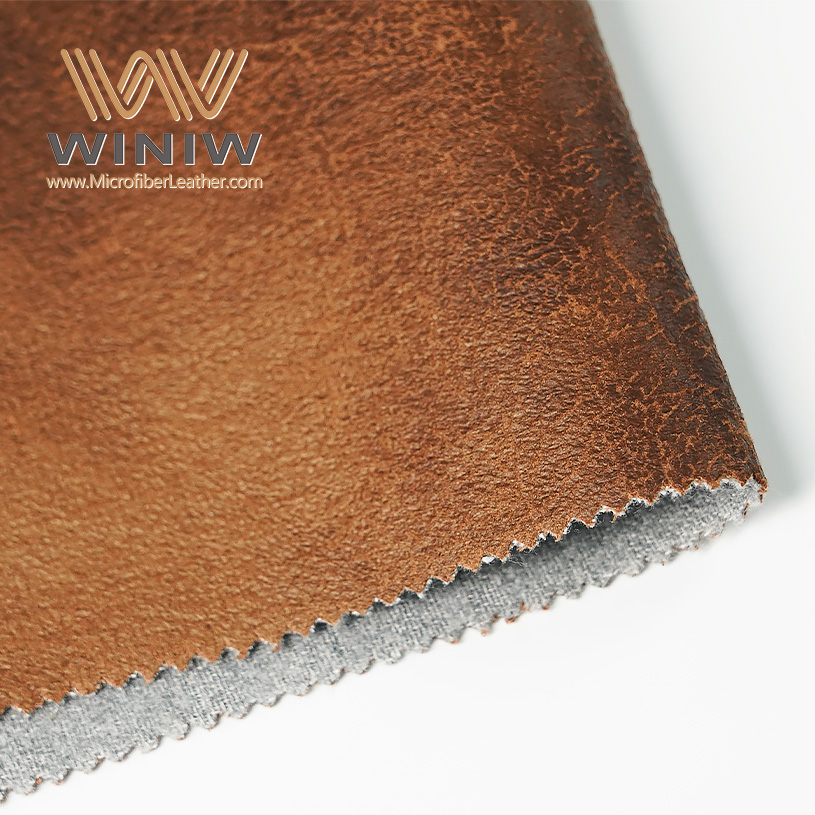
La fabrication d'une chaise en cuir végétalien suit un processus précis. Les fabricants découpent et façonnent le cuir artificiel selon le design de la chaise. Ils tendent le tissu en similicuir sur une structure, puis le fixent à l'aide d'adhésifs ou de coutures. La chaise est ensuite rembourrée pour plus de confort et de soutien.
Vous remarquerez des différences clés entre les chaises en cuir végétalien et celles en cuir véritable :
|
Aspect |
cuir végétalien |
Cuir véritable |
|---|---|---|
|
Matériel |
À base de plastique (PVC, PU) ou à base de plantes |
peaux d'animaux |
|
Impact environnemental |
pollution plastique ou biodégradable |
Consomme beaucoup de ressources mais biodégradable |
|
Esthétique |
Peut avoir une odeur chimique |
Aspect et sensation naturels |
|
Entretien |
Nécessite un entretien particulier pour les matières plastiques |
Durable et facile d'entretien |
Vous constatez que les fauteuils en similicuir évitent les produits animaux, mais peuvent contribuer à la pollution plastique s'ils sont fabriqués à partir de matériaux synthétiques. Les fauteuils en cuir végan d'origine végétale constituent une alternative plus durable. Les fauteuils en cuir véritable utilisent des peaux animales et nécessitent davantage de ressources, mais ils se décomposent naturellement.
La production de similicuir représente un défi pour les fabricants. Le coût élevé des matières premières végétales, les problèmes de mise à l'échelle et les doutes des consommateurs quant à sa durabilité peuvent freiner son adoption. Des certifications comme Vegan Verification, BeVeg et OEKO-TEX® LEATHER STANDARD vous garantissent que votre chaise est véritablement végane et sans danger.
Conseil : Vérifiez toujours les certifications pour vous assurer que votre chaise en cuir végétalien répond aux normes éthiques et de sécurité.
Vous comprenez maintenant les principaux types de cuir végétalien, le processus de fabrication du tissu en simili cuir et comment ces matériaux se transforment en chaises élégantes et durables pour votre maison.
Quand on compare chaises en simili cuir Comparé au cuir véritable, le similicuir offre une différence notable en termes de durabilité et de qualité. Il s'use plus rapidement et peut se fissurer au niveau des coutures et des bords, nécessitant parfois un nouveau revêtement. De plus, son toucher est moins naturel. Le cuir véritable se distingue par sa robustesse : il ne craquelle pas, ne s'écaille pas et acquiert une patine unique avec le temps. Le similicuir PU est plus résistant que le cuir reconstitué, mais sa durée de vie reste inférieure à celle du cuir véritable. En moyenne, un fauteuil en cuir végan dure entre 10 et 15 ans, tandis qu'un fauteuil en cuir véritable peut durer plus de 20 ans.
|
Type de cuir |
Durée de vie moyenne |
|---|---|
|
cuir végétalien |
10 à 15 ans |
|
Cuir véritable |
20 ans ou plus |
Vous pouvez opter pour un fauteuil en cuir végan pour son aspect écologique. Le cuir véritable a une empreinte carbone importante, pouvant atteindre 110 kg de CO2 par mètre carré en incluant l'élevage bovin. Le similicuir, notamment les cuirs végétaux, réduit ce chiffre à environ 15,8 kg. La production traditionnelle de cuir nécessite environ 15 000 litres d'eau par kilogramme, tandis que les cuirs végans végétaux en consomment beaucoup moins et sont souvent biodégradables. Le similicuir fabriqué à partir de sous-produits agricoles contribue à un revenu durable pour les agriculteurs et les entreprises de mode. Cependant, le cuir végan synthétique, comme le PU et le PVC, contient des plastiques non biodégradables. Ces matériaux peuvent libérer des microplastiques dans les cours d'eau et contribuer à l'encombrement des décharges. Le processus de fabrication du cuir synthétique utilise également des produits chimiques toxiques, qui peuvent nuire aux travailleurs et à l'environnement.
Il convient de bien peser le pour et le contre du cuir végétalien avant de prendre une décision.
|
Avantages du cuir végétalien |
Inconvénients du cuir végétalien |
|---|---|
|
Sans cruauté |
Non respirant |
|
Abordable |
Peut se déchirer facilement |
|
Doux et souple |
Utilise des ressources non renouvelables |
|
Respectueux de l'environnement |
Non biodégradable |
|
Disponible en plusieurs couleurs |
Ne développe pas de patine avec le temps |
Les fauteuils en similicuir offrent une production sans cruauté, un coût inférieur et une vaste gamme de couleurs. Ils ne se patinent pas et peuvent se déchirer plus facilement que le cuir véritable. Le similicuir utilise des ressources non renouvelables et n'est pas biodégradable, ce qui nuit à la durabilité.
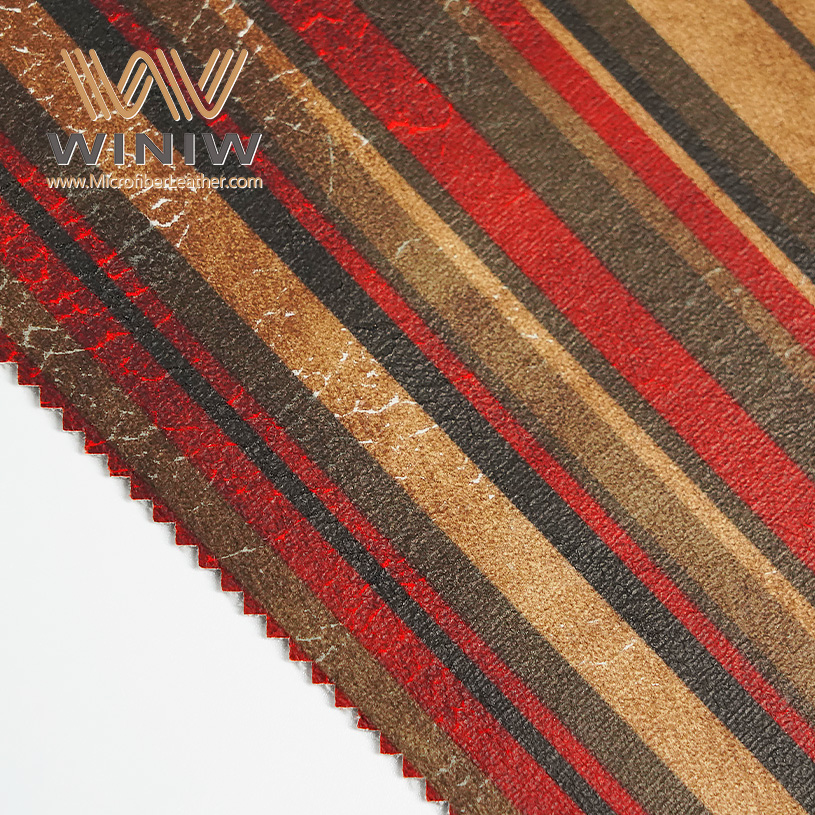
Vous pouvez prolonger la durée de vie de votre fauteuil en similicuir grâce à un entretien approprié. Un nettoyage régulier empêche la saleté et les taches de s'accumuler. Essuyez la surface avec un chiffon doux et sec pour enlever la poussière. Pour un nettoyage plus approfondi, utilisez un chiffon humide avec un savon doux et rincez abondamment. Évitez les nettoyants agressifs ou abrasifs, car ils peuvent dessécher ou décolorer le matériau. Nourrissez régulièrement votre fauteuil pour qu'il reste souple et pour éviter les craquelures. Vous pouvez également appliquer des sprays protecteurs spécialement conçus pour le similicuir afin de le protéger des taches et des dégâts d'eau. Rangez votre fauteuil dans un endroit frais et sec et épongez immédiatement les liquides renversés pour éviter les taches.
Conseil : Un entretien régulier permettra à votre fauteuil en similicuir de rester confortable et attrayant pendant des années.
Vous considérez les chaises en cuir végan comme des choix élégants, éthiques et pratiques. Ces chaises offrent un impact environnemental réduit, le respect du bien-être animal, une grande durabilité et un prix abordable. Au moment de choisir, tenez compte du matériau, de son mode de fabrication et de vos habitudes d'entretien. L'industrie du meuble s'oriente désormais vers des options durables ; il est donc important de bien évaluer vos valeurs et vos besoins avant d'acheter.
cuir végétalien Utilise des matériaux d'origine végétale ou synthétiques. Vous évitez les produits d'origine animale et soutenez les choix écologiques. Le cuir véritable provient de la peau des animaux.
Vous pouvez recycler certaines chaises en cuir végétalien, notamment celles fabriquées à partir de matériaux végétaux. Consultez les consignes de recyclage locales pour les plastiques ou les options de compostage pour les matériaux biodégradables.
Le cuir végétalien a généralement une odeur neutre ou de plastique. Vous ne remarquerez pas l'odeur riche et terreuse du cuir véritable.
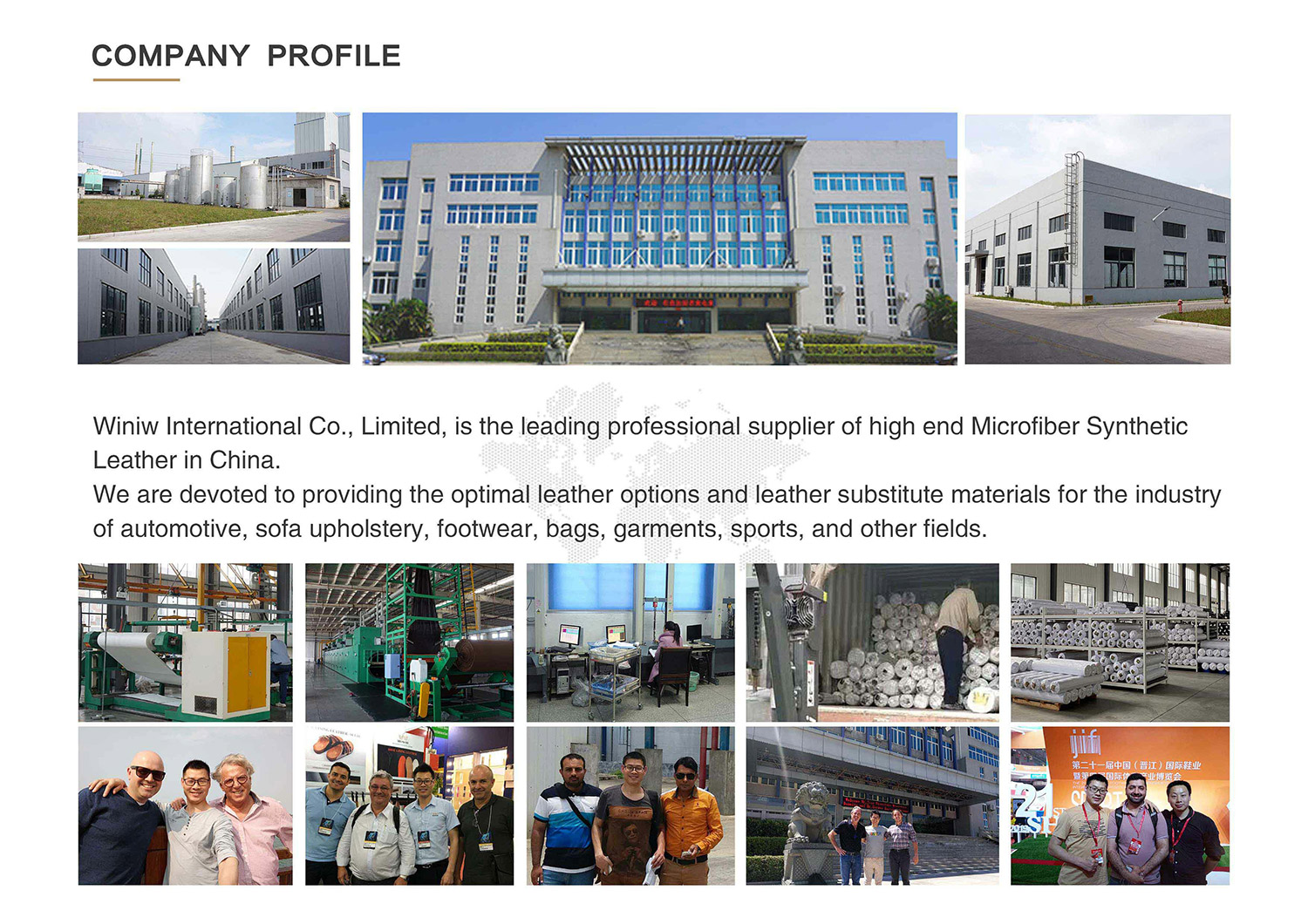
Winiw International Co.,Ltd


Analyse de wechat:



 Tél. : +86 18150976625
 Messagerie : Market@MicrofiberLeather.com