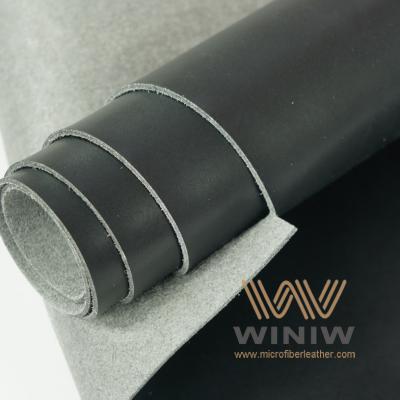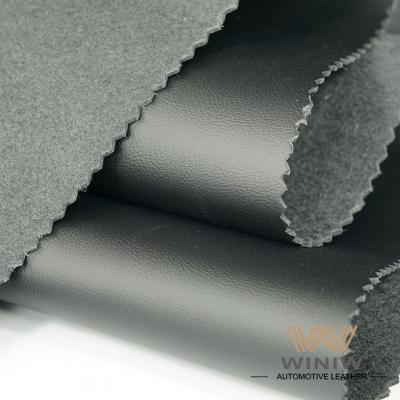
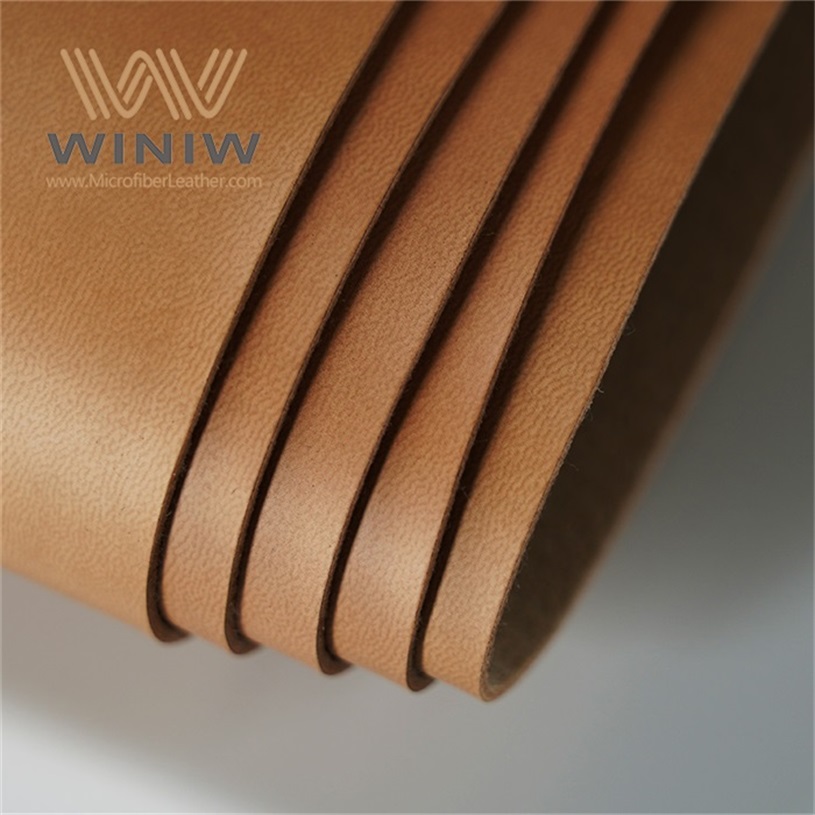
Vous pouvez conserver l'aspect neuf de votre fauteuil en similicuir grâce à de simples gestes quotidiens. Un nettoyage régulier préserve le mobilier en similicuir et prévient les craquelures.
Le cuir véritable dure de 10 à 20 ans, tandis que le simili cuir dure en moyenne de 5 à 7 ans avec un entretien de base.
Vous n'avez besoin d'aucune compétence particulière ni d'aucun investissement coûteux.
produits
Ces étapes permettent à votre chaise de rester en excellent état plus longtemps.
Dépoussiérez votre chaise en similicuir Nettoyez-le quotidiennement avec un chiffon doux en microfibre pour éviter l'accumulation de saleté et les rayures.
Nettoyez votre chaise chaque semaine avec un chiffon humide et du savon doux pour préserver son aspect et éviter les taches.
Utilisez des sprays protecteurs pour protéger votre chaise des éclaboussures et de la lumière du soleil, prolongeant ainsi sa durée de vie et lui conservant un aspect neuf.
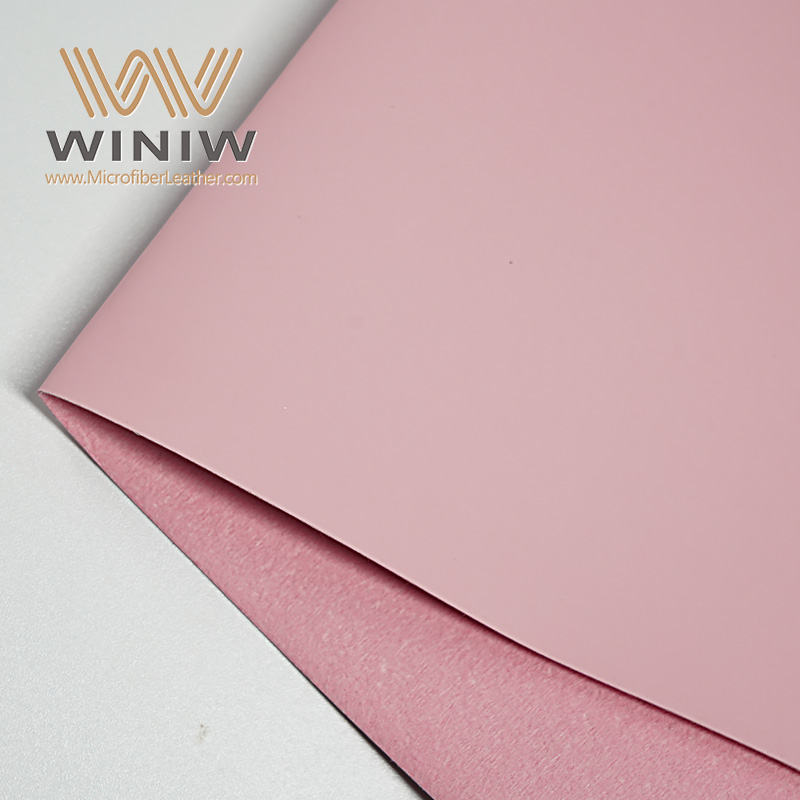
Pour que votre fauteuil en similicuir garde son aspect neuf, dépoussiérez-le quotidiennement. La poussière et les saletés s'accumulent souvent en surface et dans les coutures. Si vous laissez ces résidus s'y accumuler, ils peuvent, à la longue, rayer le revêtement et le ternir. Utilisez un chiffon doux et sec en microfibre pour essuyer délicatement toutes les parties du fauteuil. Insistez particulièrement sur les interstices autour des accoudoirs, les coutures et la base du dossier. Ces zones ont tendance à retenir davantage de poussière que les surfaces planes.
Conseil: Un dépoussiérage régulier empêche la saleté de s'incruster dans le matériau et réduit le risque de craquelures. Les spécialistes de l'entretien du mobilier recommandent cette simple routine pour préserver l'apparence et le confort de votre chaise.
Beaucoup de gens croient faux cuir Elle ne nécessite que peu d'entretien. En réalité, négliger un nettoyage régulier peut entraîner des taches tenaces et une usure prématurée. Nul besoin d'outils spéciaux : un simple geste et un chiffon propre suffisent.
L'utilisation de produits chimiques agressifs comme la javel ou l'ammoniaque
Frotter trop fort avec des matériaux abrasifs
Utiliser trop d'eau pendant le nettoyage
Éviter les séances de nettoyage régulières
L'utilisation de véritables produits d'entretien pour le cuir peut laisser un résidu gras.
Un nettoyage hebdomadaire délicat permet à votre fauteuil en similicuir de rester en parfait état. Commencez par essuyer la surface avec un chiffon en microfibre humide (et non trempé). Effectuez de petits mouvements circulaires pour éliminer la saleté sans abîmer la finition. Pour un nettoyage plus en profondeur, mélangez quelques gouttes de liquide vaisselle doux avec de l'eau tiède. Vous pouvez également utiliser un nettoyant spécialement conçu pour le similicuir. Évitez les produits contenant des substances chimiques agressives, de la javel ou de l'ammoniaque, car ils peuvent endommager le revêtement protecteur.
Après le nettoyage, utilisez un chiffon sec pour absorber l'excédent d'humidité. Un excès d'eau peut fragiliser le matériau et même favoriser l'apparition de moisissures. Contrairement au cuir véritable, le similicuir est plus facile à nettoyer et à entretenir, notamment dans les foyers où l'activité est intense. Il n'est pas nécessaire de l'hydrater aussi souvent, mais il convient d'éviter de laisser les taches ou les éclaboussures s'incruster.
Note: L'entretien du similicuir diffère de celui du cuir véritable. Le similicuir est moins sensible aux produits chimiques et supporte des nettoyages plus fréquents. Le cuir véritable exige un entretien plus spécifique.
Un nettoyage complet une fois par semaine, associé à un dépoussiérage quotidien, permettra d'éviter l'accumulation de saletés et de préserver l'aspect neuf de votre fauteuil. Un entretien régulier du similicuir garantit le confort et l'esthétique de votre mobilier pendant des années.
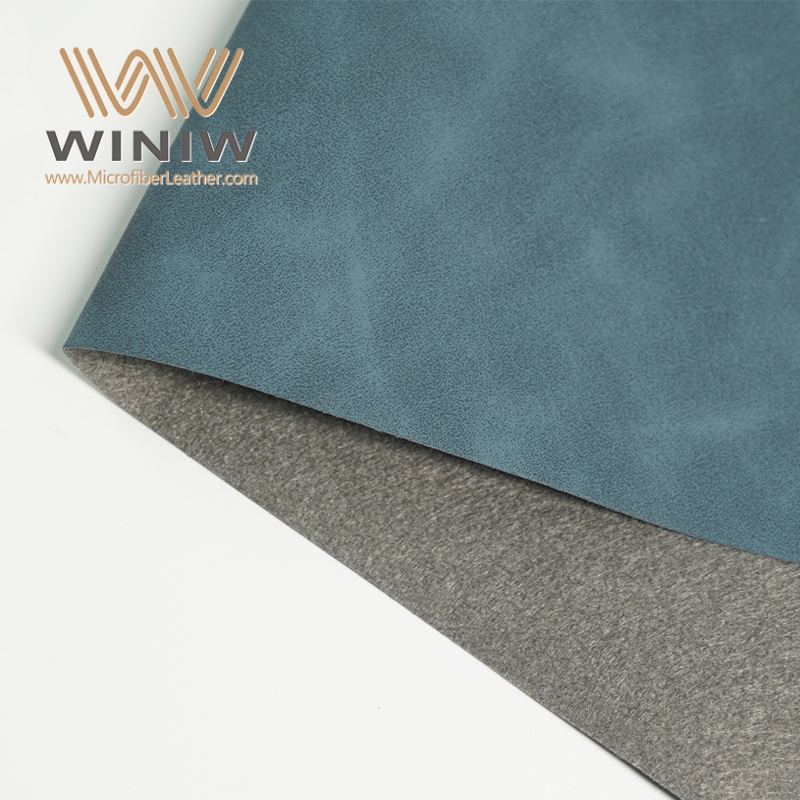
Vous souhaitez que votre fauteuil en similicuir conserve son aspect impeccable pendant des années. Choisir les bons produits fait toute la différence. De nombreux fabricants de tissus d'ameublement recommandent des nettoyants doux qui protègent le matériau et préviennent les dommages. Il est conseillé d'éviter les produits chimiques agressifs et de privilégier les produits conçus pour les surfaces synthétiques.
Voici un tableau des produits de nettoyage recommandés par les fabricants pour les fauteuils en similicuir :
|
PRODUIT |
TAPER |
FABRICANT |
|---|---|---|
|
Birex se |
Phénol |
Biotrol International |
|
MaxiSpray |
Phénol/glutaraldéhyde |
Henry Schein |
|
Omni II |
Phénol |
Certol International, Inc. |
|
Nettoyant à mousse Precise Hospital |
Phénol |
CalTech Industries, Inc. |
|
ProSpray et lingettes ProSpray |
Phénol |
Certol International |
Pour le nettoyage courant, vous pouvez utiliser un liquide vaisselle doux dilué dans de l'eau. Nettoyez toujours le similicuir avec un chiffon doux en microfibre. Cela permet d'éviter les rayures et de préserver la douceur de la surface.
Les agents nettoyants doux aident à prévenir les dommages tels que le décollement, la décoloration et les craquelures. Ils préservent l'intégrité de faux cuir et prolonger sa durée de vie. En nettoyant le similicuir, vous le protégez de l'usure prématurée et vous lui conservez son aspect neuf.
Conseil: Toujours tester un nouveau produit sur une petite zone cachée avant de l'utiliser sur toute la chaise.
En cas de tache, traitez-la immédiatement. Agissez dès que possible pour éviter qu'elle ne s'étende. Pour les taches de liquide, tamponnez délicatement la zone avec un chiffon propre et sec. Ne frottez pas, car cela risquerait d'incruster la tache. Pour les taches tenaces, utilisez un solvant doux comme du naphta. Nettoyez légèrement la tache avec un chiffon imbibé de solvant, puis tamponnez pour sécher.
Les sprays protecteurs peuvent également contribuer à prolonger la durée de vie de votre fauteuil en similicuir. Ces sprays existent en différentes concentrations :
|
Type de protection |
Description |
|---|---|
|
Protection de base |
Idéal pour les zones à faible passage, offrant une légère résistance à l'eau et une protection UV mineure. |
|
Protection renforcée |
Adapté à un usage modéré, il offre une meilleure résistance aux éclaboussures, à l'abrasion légère et à la décoloration. |
|
Protection robuste/industrielle |
Formulé pour les environnements à forte usure, contenant des polymères plus résistants et des agents antimicrobiens. |
|
Durée de la protection |
Les solutions à court terme durent de 6 à 12 mois ; celles à moyen terme de 1 à 3 ans ; les formules à longue durée d'action peuvent durer de 3 à 5 ans, voire plus. |
L'application d'un spray protecteur après le nettoyage crée une barrière contre les taches et les rayons du soleil. Cette étape permet de préserver l'apparence et la durabilité de la chaise.
Tous les produits de nettoyage ne sont pas adaptés au similicuir. Certains peuvent causer des dommages importants, comme des craquelures, un décollement ou une décoloration. Il convient d'éviter les produits suivants :
Les produits nettoyants agressifs comme la javel
Sprays à base d'ammoniaque
Lingettes fortement imprégnées d'alcool
Ces produits peuvent abîmer la surface du similicuir. Les produits chimiques agressifs entraînent souvent une décoloration, des craquelures et un décollement. Il est également conseillé d'éviter de frotter avec des éponges ou des brosses abrasives. Ces outils peuvent rayer le matériau et lui donner un aspect usé.
Alerte: N’utilisez jamais de produits d’entretien pour cuir véritable sur du simili cuir. Ils peuvent laisser un résidu gras et attirer davantage la saleté.
Pour nettoyer le similicuir, privilégiez toujours des produits doux et des chiffons délicats. Ainsi, votre fauteuil conservera son aspect neuf et évitera les dommages à long terme. Pensez à traiter les taches immédiatement et à utiliser des sprays protecteurs pour une meilleure durabilité. En suivant ces conseils, vous profiterez de votre fauteuil en similicuir pendant de nombreuses années.
Vous pouvez protéger le similicuir en éloignant votre fauteuil de la lumière directe du soleil et des sources de chaleur. La lumière du soleil dégrade les liaisons chimiques des matériaux synthétiques, ce qui accélère leur dégradation. Une exposition prolongée à une forte chaleur peut endommager le similicuir en provoquant des craquelures ou des déformations. Les variations d'humidité affectent également la base du tissu et peuvent entraîner des craquelures au fil du temps. Placez votre fauteuil loin des fenêtres ou utilisez des stores et des rideaux pour le protéger du soleil. Les rideaux et les stores bloquent les rayons UV et réduisent la décoloration et la détérioration prématurée. Éloignez votre fauteuil des radiateurs et des cheminées, car une chaleur excessive dessèche le matériau. Maintenez un taux d'humidité intérieure entre 40 % et 55 % pour éviter que le fauteuil ne devienne trop sec ou trop humide. Une bonne ventilation empêche la chaleur et l'humidité de s'accumuler, ce qui peut entraîner un décollement.
Conseil: Changez régulièrement la position de votre chaise afin de répartir l'usure uniformément et de protéger le similicuir des agressions extérieures.
Les rayures et le décollement sont souvent dus à l'usage quotidien et à un entretien inadéquat. Vous pouvez les protéger. faux cuir En suivant quelques mesures préventives simples : évitez les objets pointus près du fauteuil et déconseillez de s’asseoir sur les accoudoirs ou les bords. Utilisez des plaids ou des housses de protection dans les zones fréquemment utilisées. Coupez régulièrement les griffes de vos animaux de compagnie pour éviter les griffures accidentelles. Sensibilisez les membres de votre foyer à une utilisation soigneuse. Nettoyez délicatement avec un chiffon doux en microfibre et une solution de savon doux. Appliquez un produit d’entretien pour similicuir tous les 4 à 6 mois afin de lui redonner sa souplesse et de le protéger du dessèchement. Choisissez des produits d’entretien spécifiquement conçus pour le cuir synthétique et privilégiez ceux contenant des filtres UV et des propriétés antistatiques.
Voici un tableau présentant les causes fréquentes de desquamation :
|
Cause du pelage |
Description |
|---|---|
|
lumière directe du soleil |
Une exposition prolongée aux UV fragilise le matériau, ce qui entraîne son décollement. |
|
fluctuations de température |
La chaleur provoque la dilatation et la contraction des couches synthétiques, ce qui affaiblit les liaisons. |
|
humidité élevée |
Elle compromet les couches adhésives, provoquant des bulles et un écaillage. |
|
huiles corporelles |
Le contact avec le sébum dégrade la surface au fil du temps. |
|
Nettoyage inadéquat |
Les produits chimiques agressifs endommagent la surface du similicuir. |
|
Matériaux de mauvaise qualité |
Les chaises fabriquées en PVC de mauvaise qualité s'usent plus rapidement. |
|
mouvement répétitif |
Une utilisation constante entraîne des micro-déchirures et un décollement. |
|
Manque de ventilation |
Une mauvaise circulation de l'air aggrave la dégradation des matériaux. |
|
Agents de nettoyage agressifs |
Les produits inadaptés endommagent la surface. |
|
entretien inadéquat |
Le défaut d'inspection et d'entretien entraîne une usure et un décollement imperceptibles. |
Alerte: Une inspection régulière et un nettoyage délicat permettent de protéger le similicuir et d'en prolonger la durée de vie.
Vous pouvez prolonger la durée de vie de votre meubles en simili cuir En l'entretenant régulièrement, vous préservez sa souplesse. L'entretien régulier maintient la souplesse de la surface et prévient les craquelures. Choisissez un produit d'entretien pour similicuir conçu pour les matériaux synthétiques. Évitez les produits pour cuir véritable, car ils peuvent endommager les finitions PU ou PVC. Privilégiez les formules contenant des inhibiteurs UV et des propriétés antistatiques pour une protection optimale. Appliquez le produit tous les 4 à 6 mois. Après application, essuyez l'excédent pour éviter que la poussière n'adhère. Un nettoyage régulier à l'eau et au savon doux contribue également à maintenir la souplesse du matériau. En traitant vos meubles en similicuir avec les produits adaptés, vous réduisez les risques de dessèchement et de décollement.
Voici quelques conseils pour une routine de soins réussie :
Utilisez un chiffon doux en microfibre pour le dépoussiérage quotidien.
Inspectez les coutures et les bords chaque mois afin de détecter les premiers signes d'usure.
Faites pivoter les coussins pour répartir leur utilisation uniformément.
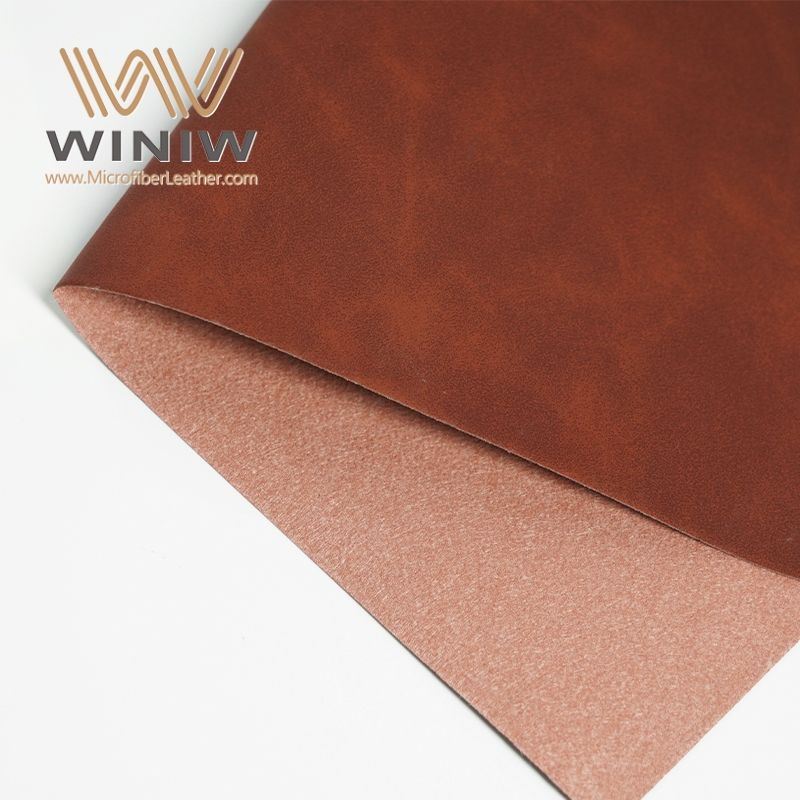
Les sprays protecteurs offrent une protection supplémentaire à votre fauteuil en similicuir. Ils forment une barrière respirante et imperméable qui le protège des taches, de l'humidité et des polluants. Ils contribuent également à raviver les surfaces décolorées et à améliorer l'aspect général de votre mobilier en similicuir. Les tests réalisés sur le produit démontrent que les sprays protecteurs ralentissent la détérioration et aident à préserver la structure de votre meuble.
|
Avantage |
Description |
|---|---|
|
Barrière protectrice |
Protection contre l'humidité, les éclaboussures et les polluants. |
|
Restauration de surface |
Redonne de l'éclat et améliore l'apparence. |
|
soins préventifs |
Maintient la structure et prolonge la durée de vie. |
Pour de meilleurs résultats, suivez un programme d'entretien périodique :
Dépoussiérer chaque semaine avec un chiffon doux.
Enlever les taches quotidiennement avec un chiffon humide.
Nettoyage en profondeur par un professionnel si nécessaire.
Un entretien régulier permet à vos meubles en similicuir de conserver leur aspect et leur confort pendant des années. Même si les fauteuils en similicuir n'ont pas une grande valeur à la revente, un entretien régulier leur permet de garder une apparence impeccable tout au long de leur durée de vie.
Vous pouvez conserver l'aspect impeccable de vos meubles en similicuir grâce à de simples habitudes.
Enlevez la saleté avec une brosse douce.
Nettoyer délicatement avec de l'eau et du savon doux.
Sécher à l'abri du soleil.
Un entretien régulier permet à votre chaise de durer plus longtemps, de faire des économies et de garder votre espace élégant.

Il est conseillé de dépoussiérer quotidiennement et de nettoyer chaque semaine. Cette routine permet à votre chaise de conserver son aspect neuf et d'éviter que la saleté ne provoque des fissures ou des taches.
Les lingettes pour bébé contiennent souvent de l'alcool ou des huiles. Ces ingrédients peuvent endommager le similicuir. Il est préférable d'utiliser un chiffon en microfibre humide avec un savon doux.
Le décollement est irréversible. Vous pouvez toutefois ralentir sa progression en appliquant un spray protecteur et en évitant d'exposer la chaise au soleil et à la chaleur.
Winiw International Co.,Ltd


Analyse de wechat:



 Tél. : +86 18150976625
 Messagerie : Market@MicrofiberLeather.com