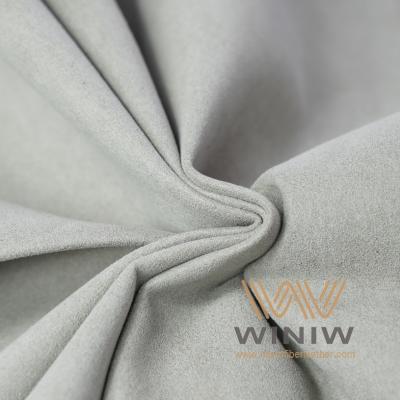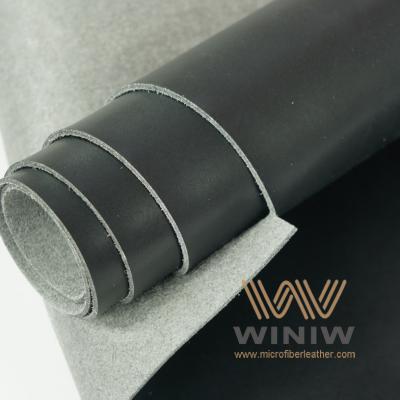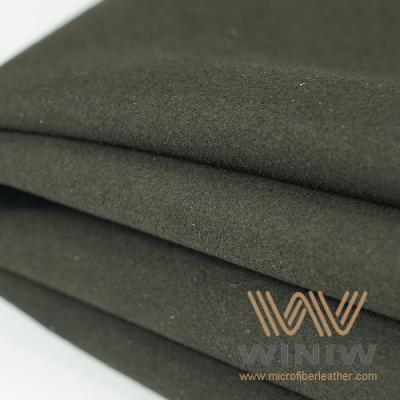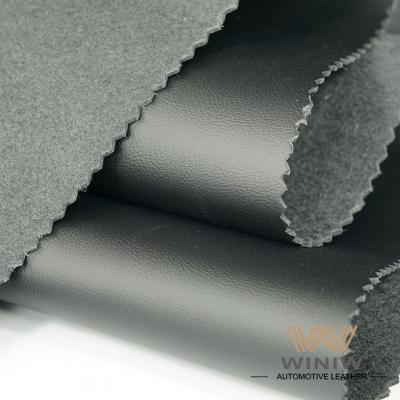
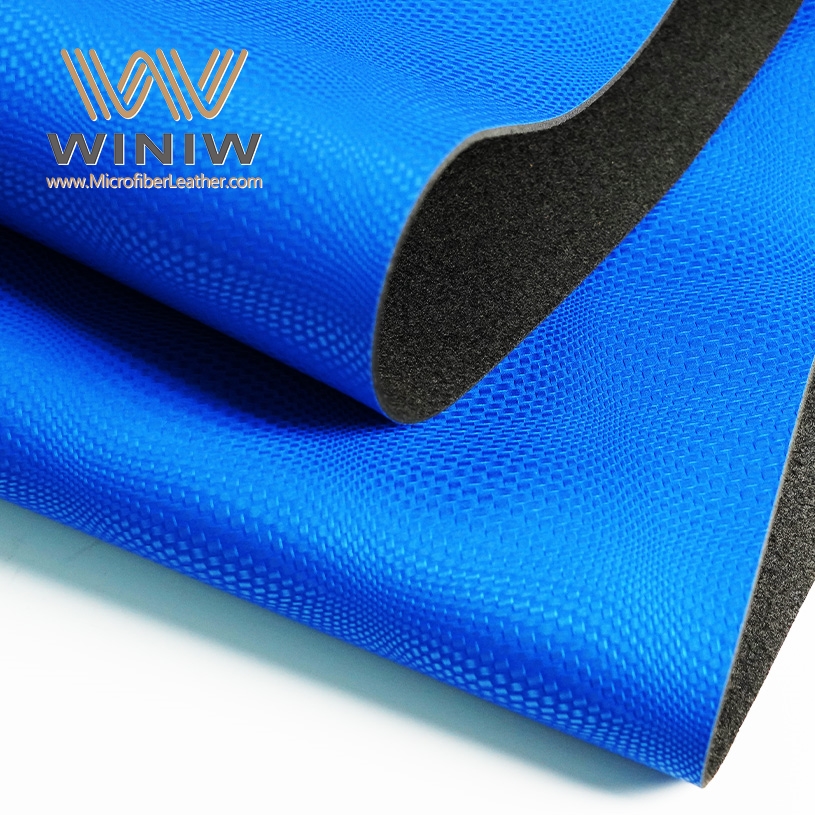
Lorsque vous choisissez des chaussures cuir PU Vous obtenez ainsi un produit qui se distingue par son aspect réaliste, sa résistance aux rayures et sa facilité d'entretien. Le cuir PU utilisé pour les chaussures s'adapte à de nombreux modèles et usages, notamment pour les tiges et les semelles. Ces chaussures sont souvent économiques, respectueuses du bien-être animal et élégantes, répondant ainsi à vos besoins et à votre budget.
cuir PU Ces chaussures offrent une alternative élégante et abordable au cuir véritable, les rendant accessibles à tous.
Ces chaussures sont faciles d'entretien ; il suffit de les essuyer avec un chiffon humide pour qu'elles restent comme neuves.
Choisir le cuir PU, c'est soutenir des pratiques respectueuses des animaux, car cela n'implique pas l'utilisation de peaux animales.
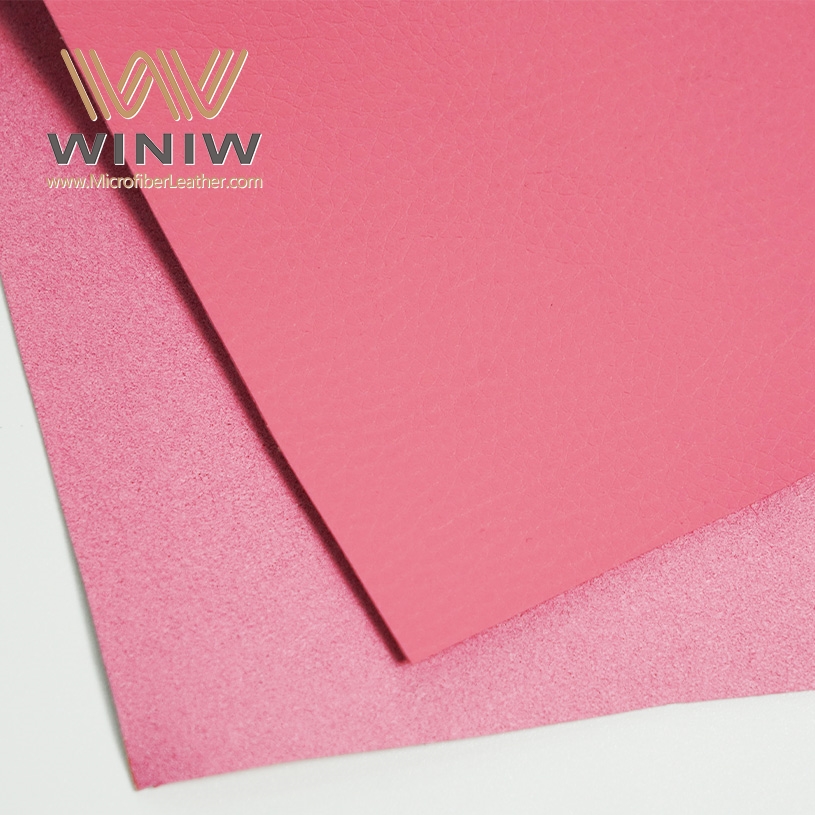
On trouve des chaussures en cuir PU partout, des baskets de sport aux bottes élégantes. Le cuir PU, également connu sous le nom de cuir polyuréthane Le similicuir est un matériau synthétique qui imite l'aspect et le toucher du cuir véritable. Les fabricants l'utilisent pour de nombreuses parties des chaussures, notamment la tige, la semelle intermédiaire, la semelle extérieure et la semelle intérieure. L'utilisation du similicuir dans la fabrication de chaussures offre un large éventail de possibilités alliant style et fonctionnalité.
Semelles intermédiaires : La mousse PU amortit vos pieds, rendant chaque pas confortable au quotidien.
Semelles extérieures : Le polyuréthane microcellulaire offre une résistance au glissement et une durabilité accrues, pour des chaussures qui durent plus longtemps.
Semelles intérieures : Les semelles intérieures en PU offrent un soutien à mémoire de forme, s'adaptant à la forme de votre pied.
Tige en cuir synthétique : les matériaux enduits de PU créent une surface lisse et résistante aux intempéries.
Les chaussures en cuir PU vous offrent des avantages car elles allient style, confort et praticité. chaussures en similicuir Elle séduit également ceux qui recherchent des options respectueuses des animaux.
Comprendre le processus de fabrication du cuir PU permet d'en apprécier pleinement la valeur. Ce processus comprend plusieurs étapes visant à garantir la qualité et l'homogénéité du cuir. Voici un aperçu du processus de fabrication typique du cuir PU pour chaussures :
|
Étape |
Description |
|---|---|
|
Préparation du tissu de base |
Nettoyage et mise en forme des tissus de base courants tels que les tissus non tissés, tricotés et tissés. |
|
Revêtement |
Application de la suspension de résine par des méthodes telles que l'enduction au couteau et l'enduction au rouleau. |
|
Séchage |
Évaporisation du solvant dans un four de séchage à air chaud pour former un film de polyuréthane solide. |
|
Traitement de surface |
Des améliorations telles que le gaufrage, la teinture et l'impression permettent d'améliorer les propriétés décoratives et fonctionnelles. |
|
Mise en forme et finition |
Des techniques comme le pressage à chaud et le pressage à froid pour améliorer la résistance à l'usure et à l'eau. |
|
Coagulation par immersion |
Lors du traitement par voie humide, la couche de résine réagit avec l'eau pour former un film. |
|
Nettoyage |
Élimination des solvants résiduels et des sous-produits pour la santé et la protection de l'environnement. |
|
Séchage final |
Utilisation d'équipements sous vide ou à air chaud pour stabiliser le film. |
Les fabricants choisissent souvent entre différents types de cuir PU, comme le cuir bi-composant, enduit, bicouche ou gaufré, selon l'aspect et les performances recherchés. Le procédé de fabrication du cuir PU permet d'obtenir une grande variété de textures et de finitions, ce qui rend les chaussures en similicuir polyvalentes et attrayantes.
En comparant le cuir PU au cuir véritable, on constate plusieurs différences pratiques. Le cuir PU est fabriqué à partir de matériaux synthétiques, tandis que le cuir véritable provient de peaux animales. Cette distinction influe sur le coût, la durabilité, l'aspect et l'entretien.
|
Fonctionnalité |
cuir PU |
cuir véritable |
|---|---|---|
|
Durabilité |
Plus résistant à l'usure que certains matériaux synthétiques, mais moins durable que le cuir véritable. Sa durée de vie peut varier de quelques mois à plusieurs années. |
Avec un entretien approprié, sa durée de vie peut atteindre 100 ans, et souvent 30 ans ou plus. |
|
Apparence |
Susceptible de se fissurer, de se décolorer et de s'écailler avec le temps. |
Elle développe une patine naturelle, ce qui rehausse son aspect au fil du temps. |
|
Matériel |
Comparaison des coûts |
Exigences de maintenance |
|---|---|---|
|
cuir PU |
Nettement plus abordable |
Entretien minimal, un simple chiffon humide suffit |
|
cuir véritable |
Prix plus élevés en raison du tannage et de l'approvisionnement |
Nécessite un entraînement régulier et des soins spécialisés |
Vous constaterez que les chaussures en similicuir offrent une surface uniforme et nécessitent moins d'entretien. Les chaussures en cuir véritable, quant à elles, développent une patine unique et peuvent durer des décennies avec un entretien approprié. Les avantages du similicuir incluent son prix abordable, sa facilité de nettoyage et son aspect végan. Ses inconvénients sont une respirabilité moindre et une tendance à se craqueler ou à s'écailler en cas d'usure quotidienne intensive.
Si vous recherchez des chaussures résistantes, élégantes et respectueuses des animaux pour vos activités quotidiennes, les chaussures en cuir PU constituent une solution pratique. Vous pouvez ainsi profiter de l'aspect du cuir sans les inconvénients liés au coût et à l'entretien.
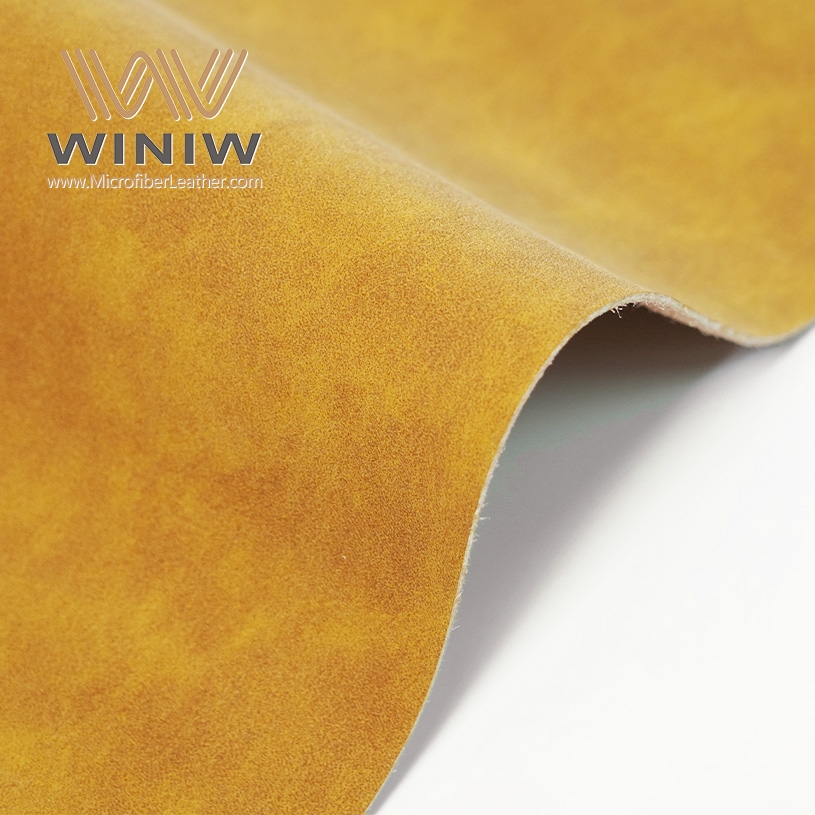
Vous pouvez en trouver beaucoup avantages du cuir PU Lorsque vous choisissez des chaussures en cuir PU pour votre garde-robe, ce matériau offre un mélange de style, de confort et de praticité. Voici un tableau qui met en évidence les principaux avantages du cuir PU :
|
Avantage |
Description |
|---|---|
|
rapport coût-efficacité |
Le cuir PU est produit à un coût inférieur à celui du cuir véritable, ce qui en fait une option abordable. |
|
Résistance à l'eau |
Le cuir PU est généralement résistant à l'eau, ce qui lui permet de résister à l'eau dans une certaine mesure. |
|
Facilité de nettoyage |
Il est plus facile à nettoyer que le cuir traditionnel, car il n'absorbe pas les liquides. |
|
Durabilité |
Le cuir PU est résistant à l'usure et conserve son aspect au fil du temps. |
|
Respect de l'environnement |
Fabriqué à partir de matériaux synthétiques, il ne nécessite pas de peaux d'animaux, ce qui en fait un choix plus éthique. |
Vous bénéficiez de chaussures en cuir PU car elles sont véganes et respectueuses des animaux. Leur fabrication consomme moins d'eau et d'énergie que celle des chaussures en cuir véritable. En choisissant des options véganes, vous contribuez également à réduire la déforestation et la pollution. Le cuir PU se décline dans une large gamme de styles, des baskets aux chaussures habillées.
Conseil: Si vous recherchez une option éthique et durable, les chaussures en cuir PU constituent une excellente alternative aux chaussures d'origine animale. produits .
Il convient également de prendre en compte les inconvénients du cuir PU avant tout achat. Ce matériau présente certains défauts qui affectent ses performances et sa durée de vie. Voici les principaux inconvénients du cuir PU :
Le cuir PU est moins durable que le cuir véritable ; il a tendance à se craqueler, à s'écailler ou à perdre sa texture avec le temps.
Ce matériau est sensible aux dommages causés par une utilisation intensive ou la chaleur, ce qui réduit la durée de vie des chaussures fabriquées en PU.
L'aspect des chaussures en PU se détériore rapidement, avec une décoloration et l'apparition de fissures lors d'une utilisation régulière.
Lorsqu'on compare le cuir véritable et le cuir PU, on constate que le cuir véritable peut durer des décennies, tandis que les chaussures en cuir PU durent généralement de 1 à 3 ans avec un usage quotidien. Le tableau ci-dessous compare la durée de vie des différents matériaux :
|
Matériel |
Durée de vie |
|---|---|
|
cuir PU |
1 à 3 ans |
|
cuir véritable |
Décennies |
Vous constaterez peut-être que les chaussures en similicuir sont moins respirantes que celles en cuir véritable. Elles peuvent être moins confortables par temps chaud. Parmi les inconvénients du similicuir, on note sa tendance à se craqueler ou à s'écailler, surtout si les instructions d'entretien ne sont pas respectées.
Vous pouvez prolonger la durée de vie de vos chaussures en cuir PU en entretenant correctement leur cuir. Voici quelques conseils pratiques pour nettoyer et protéger le cuir PU :
Essuyez la surface avec un chiffon doux et humide pour enlever la poussière et les débris.
Pour les taches tenaces, utilisez un savon doux ou un nettoyant doux, comme du liquide vaisselle dilué.
Évitez les produits chimiques agressifs comme l'acétone ou l'eau de Javel pour prévenir tout dommage au revêtement en polyuréthane.
Toujours sécher à l'air libre à température ambiante, en évitant les sources de chaleur directe.
Rangez vos chaussures dans un endroit frais et sec, à l'abri d'une exposition prolongée au soleil.
Pour éviter les plis, utilisez des embauchoirs adaptés ou bourrez légèrement vos chaussures.
Note: N’utilisez pas de produits d’entretien pour cuir à base d’huile ou de produits traditionnels sur le cuir PU. Ces produits peuvent endommager sa surface. Pour bien entretenir le cuir PU, privilégiez un nettoyage doux et un rangement approprié.
Vous vous interrogez peut-être sur l'impact environnemental du cuir PU par rapport à d'autres matériaux. La production de cuir PU consomme moins d'eau et d'énergie que celle du cuir véritable. Elle ne nécessite pas d'élevage, ce qui contribue à réduire les émissions de gaz à effet de serre. Le tableau ci-dessous présente une comparaison :
|
Aspect |
cuir PU |
cuir véritable |
|---|---|---|
|
Matières premières |
Polymères à base de pétrole (non renouvelables) |
Peaux d'animaux (sous-produit de l'industrie de la viande) |
|
Processus de production |
Réduction de l'utilisation des terres et de l'eau ; implique l'utilisation de solvants chimiques |
Bronzage énergivore ; eaux usées toxiques |
|
Empreinte carbone |
Modérée ; inférieure à la production de bœuf |
Élevé ; lié à l'élevage bovin et au tannage |
|
Bien-être animal |
Sans cruauté ; aucun animal n'a été maltraité. |
Implique l'abattage d'animaux |
|
biodégradabilité |
Faible ; se décompose lentement, peut libérer des microplastiques |
Plus élevé ; les matériaux naturels se décomposent avec le temps |
Il est important de savoir que le recyclage du cuir PU est complexe en raison de sa structure composite. La plupart des centres de recyclage ne parviennent pas à séparer le revêtement plastique du support textile. Bien que certaines marques mettent en place des programmes de reprise, le processus reste difficile. En comparant le cuir véritable et le cuir PU, on constate que les deux présentent des inconvénients environnementaux, mais le cuir PU est moins polluant et consomme moins de ressources.
Conseil: Si vous souhaitez réduire votre empreinte environnementale, recherchez les marques qui utilisent des matériaux PU recyclés ou biosourcés.
Vous pouvez désormais comparer les avantages et les inconvénients du cuir PU pour choisir vos prochaines chaussures. Comprendre ces avantages et inconvénients vous permettra de prendre une décision éclairée, en fonction de vos besoins, de vos valeurs et de votre style de vie.

Quand on compare cuir PU En comparant des chaussures en cuir PU à celles fabriquées dans d'autres matériaux, on constate des différences notables en termes de confort, de performance et de style. Nombreux sont ceux qui optent pour le cuir PU pour sa légèreté, qui contribue à réduire la fatigue des pieds au quotidien. La douceur du PU apporte également un confort accru, notamment lors de longues périodes en position debout ou à marcher. Vous trouverez ci-dessous un tableau présentant les principales différences :
|
Fonctionnalité |
Chaussures en cuir PU |
Chaussures en cuir véritable |
|---|---|---|
|
Poids |
Léger, réduit la fatigue des pieds |
Plus lourd, peut provoquer de la fatigue à la longue. |
|
Flexibilité |
Se plie facilement aux points de tension |
Moins souple, risque de plis ou de fissures. |
|
Durabilité |
Moins durable avec le temps |
Plus durable, résiste à une utilisation intensive |
|
Respirabilité |
Moins respirant, ce qui affecte le confort |
Plus respirant, mieux adapté à une utilisation prolongée |
|
Résistance à l'eau |
Naturellement plus résistant à l'eau |
Nécessite un traitement pour l'imperméabilité |
|
Entretien |
Plus facile à nettoyer avec un chiffon humide |
Nécessite plus de soins et de conditionnement. |
On retrouve fréquemment le cuir PU dans les chaussures tendance et décontractées car il offre un aspect similaire au cuir véritable à un prix plus abordable. De nombreuses marques l'utilisent pour créer des modèles élégants qui séduisent les consommateurs soucieux de leur budget. Si le cuir véritable reste populaire pour sa capacité à s'adapter à la forme du pied et sa durabilité, le cuir PU se distingue par sa souplesse, sa légèreté et sa résistance aux craquelures.
Vous pouvez faire un choix judicieux lors de l'achat de chaussures en cuir PU en suivant quelques étapes simples :
Vérifiez la qualité du cuir PU. Assurez-vous qu'il soit bien respirant, d'une épaisseur adéquate et d'une finition lisse.
Examinez la fabrication des chaussures. Des adhésifs résistants, des coutures soignées et des points de tension renforcés témoignent d'une meilleure construction.
Choisissez des modèles qui correspondent aux tendances actuelles et à vos besoins. Des designs tendance rendent vos chaussures plus polyvalentes.
De nombreux acheteurs font l'erreur de confondre le cuir PU et le cuir véritable. Il est important de toujours privilégier les critères de qualité et de réfléchir à la durée de vie souhaitée de vos chaussures. Si vous comptez les porter au quotidien, optez pour des modèles robustes et confortables. Le cuir PU offre un bon compromis entre style, prix abordable et facilité d'entretien, ce qui en fait un choix pratique pour de nombreuses occasions.
Vous constatez que le cuir PU offre des chaussures souples, abordables et faciles d'entretien. Le tableau ci-dessous met en évidence les principaux avantages et inconvénients :
|
Avantages |
Cons |
|---|---|
|
Flexible |
Moins durable |
|
Abordable |
Non respirant |
|
Facile à entretenir |
Forte odeur chimique |
Pour trouver la solution idéale, suivez ces conseils :
Vérifier la qualité des matériaux et la finition.
Examinez les coutures et la qualité de la confection.
Tenez compte du prix et de la réputation de la marque.
Adaptez les fonctionnalités à vos besoins.
N'oubliez pas les exigences en matière de soins.
Explorez les chaussures en PU pour leur style, leur durabilité et leur aspect éthique.
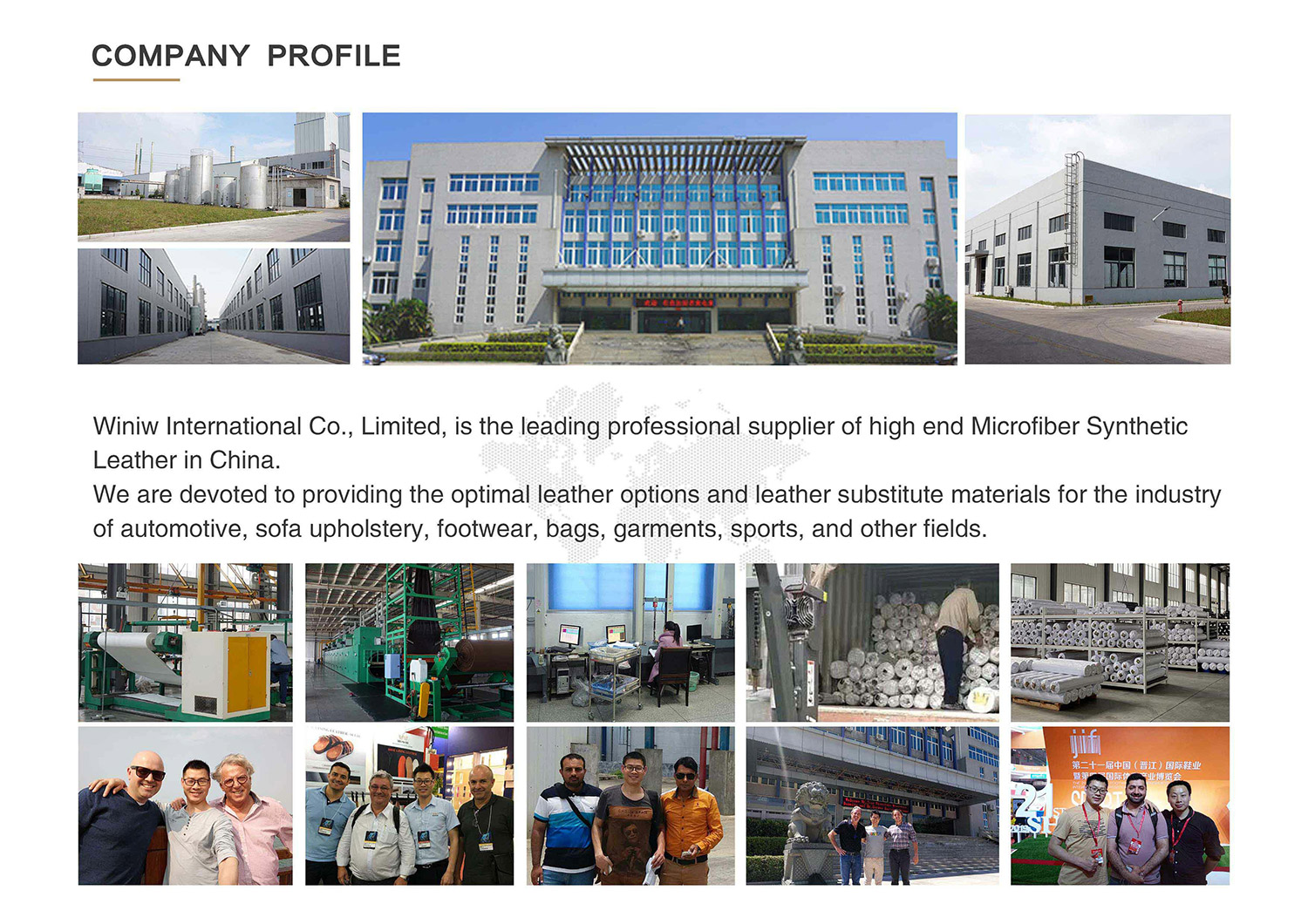
Vous obtenez des chaussures à l'aspect cuir réaliste. cuir PU offre une meilleure résistance aux rayures et un confort supérieur à celui de nombreux autres matériaux synthétiques.
Vous pouvez porter des chaussures en PU sous une pluie fine. Le matériau est imperméable, mais il est préférable d'éviter de les tremper pour qu'elles conservent leur aspect neuf.
Vous pouvez nettoyer les chaussures en cuir PU avec un chiffon humide. Pour les taches tenaces, utilisez un savon doux. Évitez les produits chimiques agressifs afin de protéger la surface.
Winiw International Co.,Ltd


Analyse de wechat:



 Tél. : +86 18150976625
 Messagerie : Market@MicrofiberLeather.com