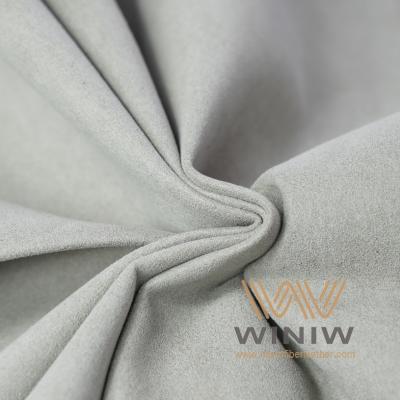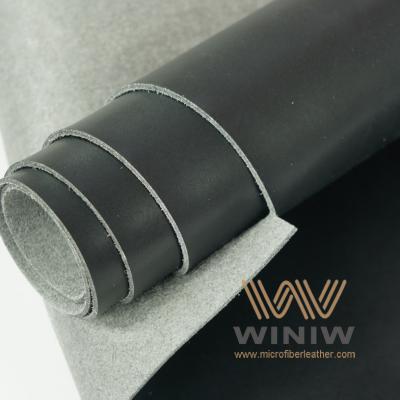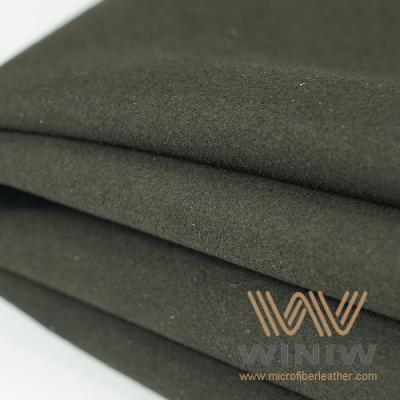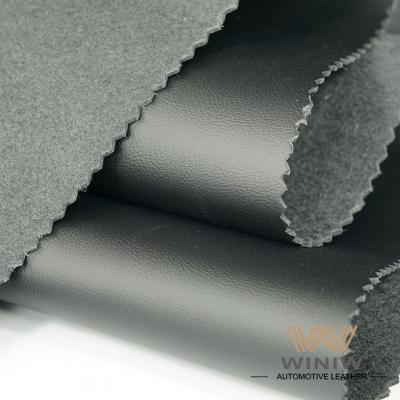
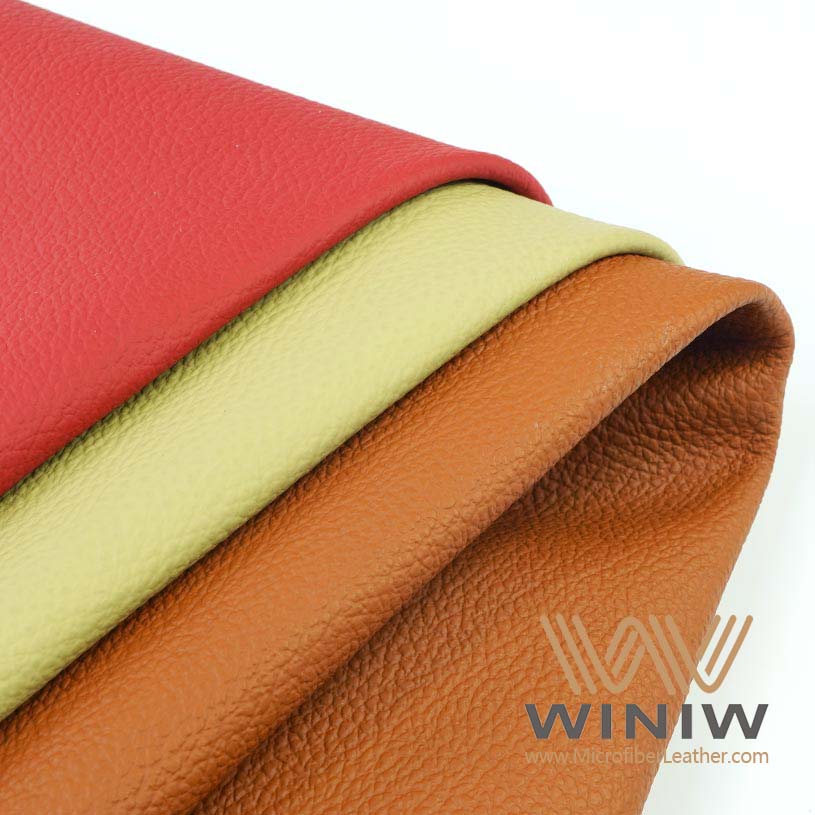
Vous remarquez des différences clés lorsque vous comparez Nubuck Chaussures en daim. Les chaussures en nubuck durent plus longtemps et nécessitent moins d'entretien. Le daim est plus doux au toucher, mais s'use plus vite. Le nubuck reste propre grâce à un simple brossage. Le daim séduit les acheteurs qui privilégient l'esthétique et la douceur.
Le nubuck offre durabilité et résilience pour une utilisation active
Le daim séduit par son charme esthétique et sa texture douce.
Les chaussures en nubuck offrent une grande durabilité et nécessitent moins d'entretien, ce qui les rend idéaux pour une utilisation fréquente et les activités de plein air.
Les chaussures en daim offrent une sensation de douceur et de luxe ainsi que des couleurs éclatantes, parfaites pour les occasions décontractées et les looks élégants.
Tenez compte de votre style de vie et de votre environnement lorsque vous choisissez entre le nubuck et le daim ; le nubuck convient à une utilisation active, tandis que le daim est idéal pour les occasions sèches et peu contraignantes.
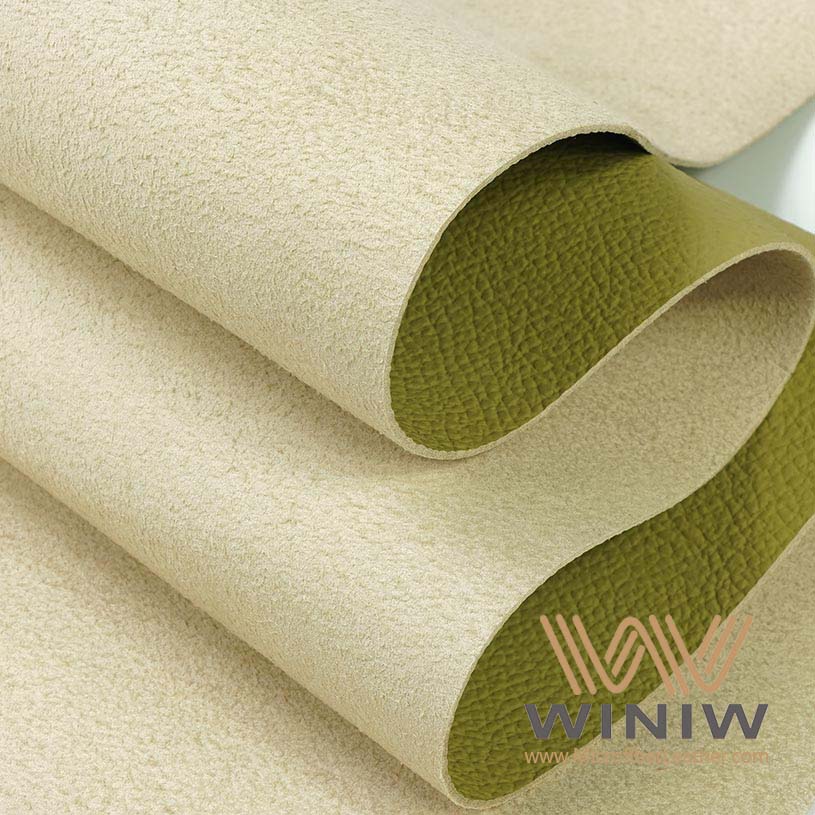
Il est facile de repérer les principales différences entre le nubuck et le daim en comparant leurs caractéristiques. Ce tableau vous permet de comparer leur texture, leur durabilité, leur entretien, et bien plus encore.
|
Fonctionnalité |
Nubuck |
Suède |
|---|---|---|
|
Source |
Côté extérieur, côté grain de la peau |
Côté intérieur fendu de la peau |
|
Texture |
Dur, robuste, légèrement granuleux |
Doux, malléable, délicat |
|
Durabilité |
Plus durable, résiste à l'usure |
Sensible aux rayures et aux taches |
|
Entretien |
Nécessite des soins moins fréquents |
Nécessite un traitement délicat, surtout lorsqu'il est mouillé |
|
Apparence |
Look velouté et structuré |
Finition douce et mate avec un poil uniforme |
|
Absorption des couleurs |
Des couleurs moins vives |
Absorbe bien les colorants, ce qui donne des couleurs éclatantes. |
|
Utilisation idéale |
Convient aux chaussures décontractées et habillées |
Idéal pour les chaussures décontractées comme les bottes et les mocassins |
|
Sentir |
Surface fine et veloutée |
Surface douce et duveteuse |
|
Résistance à l'eau |
Sensible aux taches d'eau et d'huile |
Plus poreux et délicat que le nubuck |
Quand on compare nubuck ou daim ? On remarque alors des différences notables en termes de performance et de style. Le nubuck provient de la couche externe du cuir, ce qui lui confère une structure plus robuste et résistante. Le daim, quant à lui, utilise la face interne refendue, plus douce au toucher mais qui s'use plus rapidement.
Le nubuck résiste mieux aux éraflures et supporte mieux l'humidité légère que le daim.
Vous constaterez que le nubuck est plus facile d'entretien, surtout si vous souhaitez des chaussures qui aient fière allure sans effort.
Le daim offre un toucher doux et luxueux et absorbe bien les teintures, ce qui permet d'obtenir des couleurs plus éclatantes.
Le daim est idéal pour les occasions décontractées ou lorsque vous souhaitez une chaussure avec une finition douce et mate.
Le nubuck vous conviendra si vous avez besoin de chaussures pour un usage fréquent, des activités de plein air ou des zones à fort passage.
Conseil : Optez pour le nubuck si vous recherchez la durabilité et un entretien facile. Choisissez le daim si vous privilégiez la douceur et une couleur riche.
Le choix entre nubuck et daim dépend souvent de votre style de vie et de vos préférences. Le nubuck se distingue par sa robustesse et sa longévité. Le daim, quant à lui, brille par son confort et son esthétique. Pour faire le meilleur choix, réfléchissez à la façon et aux endroits où vous porterez vos chaussures.
Vous remarquerez que le nubuck se distingue par son impressionnante durabilité. cuir nubuck Le nubuck provient du côté fleur de la peau. Cette partie de la peau possède un réseau de fibres serré et dense, conçu pour protéger les animaux sauvages. De ce fait, le nubuck résiste bien mieux à l'abrasion et aux déchirures que d'autres matières. Son épaisseur, généralement comprise entre 1,2 et 1,6 millimètre, contribue également à sa robustesse. Les chaussures en nubuck sont conçues pour résister à l'usure quotidienne, aux éraflures et à une légère humidité. Même en cas d'utilisation fréquente, le nubuck conserve sa structure et son aspect pendant des années.
Le daim offre un toucher doux et souple, mais sa durabilité est inférieure à celle du nubuck. Il provient de la face interne de la peau, la refente, dont la structure fibreuse est plus lâche. De ce fait, le daim est plus sensible aux rayures, aux éraflures et aux dégâts d'eau. Sa surface est composée de fins poils de cuir qui peuvent se rigidifier ou se fragiliser lorsqu'ils sont mouillés. Si ces poils se cassent, les dégâts sont irréversibles. Le daim retient également la saleté et l'humidité ; il est donc nécessaire de le brosser et de le protéger régulièrement pour préserver son aspect.
En comparant les chaussures en daim nubuck, on constate une nette différence de durée de vie. Le tableau ci-dessous indique la durée de vie moyenne de chaque type de chaussure en usage régulier :
|
Type de chaussure |
Durée de vie moyenne |
|---|---|
|
Nubuck |
4 à 7 ans |
|
Suède |
2 à 4 ans |
Les chaussures en nubuck durent plus longtemps Grâce à leur structure dense et à leur résistance naturelle à l'usure, les chaussures en daim, bien qu'élégantes, ont tendance à vieillir beaucoup plus vite. Si vous recherchez des chaussures pour un usage fréquent, le nubuck est un meilleur choix pour sa durabilité et sa valeur à long terme.
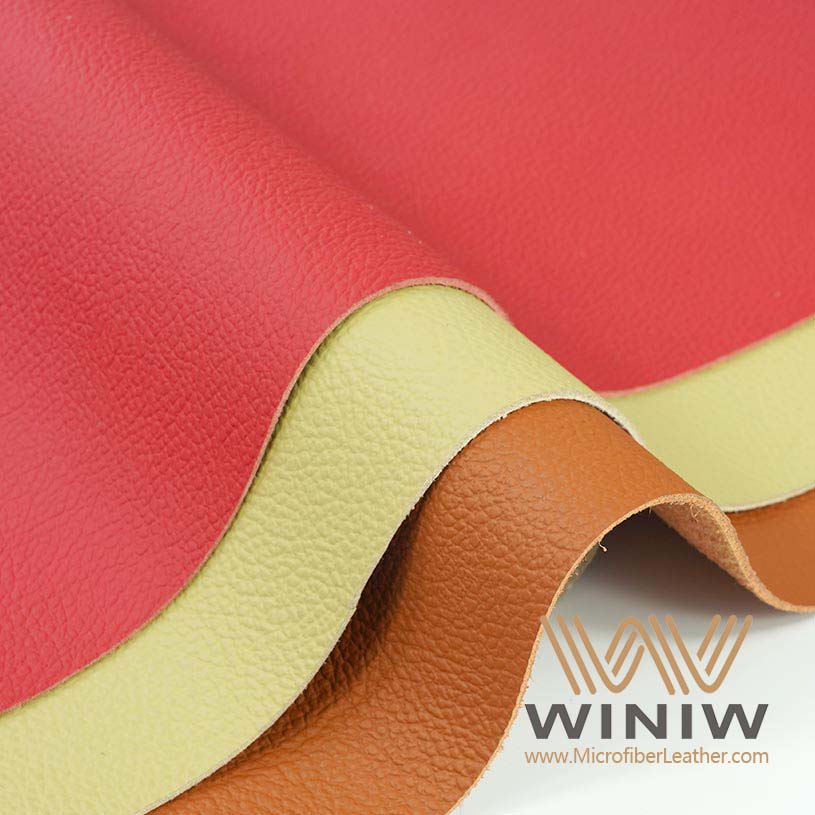
Vous pouvez garder nubuck d'apparence fraîche En quelques étapes simples, commencez par brosser délicatement la saleté superficielle à l'aide d'une brosse douce ou à poils de laiton. Cela redresse les fibres et élimine la poussière. Pour les taches tenaces, utilisez une gomme à nubuck ou une brosse en caoutchouc spéciale. Frottez doucement la zone concernée sans abîmer les fibres. Préparez une solution de savon doux et appliquez-la avec une brosse souple en effectuant des mouvements circulaires. Évitez de tremper le cuir. Après le nettoyage, épongez l'excédent d'humidité et insérez du papier sans acide ou des embauchoirs pour aider les chaussures à conserver leur forme. Laissez-les sécher à l'air libre dans un endroit ombragé et aéré, à l'abri de la lumière directe du soleil et de la chaleur. Une fois sèches, appliquez un spray rénovateur conçu pour le nubuck ou le daim afin de raviver la couleur. Terminez par un brossage final pour raviver la texture veloutée.
Conseil : Toujours tester le nettoyage produits d'abord dans une zone cachée pour éviter les changements inattendus.
Le nettoyage du daim exige une grande attention. Le daim est très sensible aux taches et marque facilement. Il est donc essentiel d'intervenir rapidement. Utilisez une brosse à daim pour enlever la saleté en surface et redresser le poil. En cas de tache, agissez dans la minute qui suit pour un résultat optimal. Frottez délicatement les taches avec une gomme à daim. Évitez l'eau, car elle risque de rigidifier les fibres. Pour les taches plus tenaces, vous devrez peut-être utiliser un nettoyant spécifique pour daim. Laissez les chaussures sécher à l'air libre.
Les chaussures en nubuck nécessitent un entretien différent. Le nubuck est plus sensible aux taches, mais plus facile à nettoyer que le daim. Il est conseillé de protéger le nubuck toutes les 4 à 6 semaines, tandis que le daim requiert une protection toutes les 3 à 4 semaines. Le tableau ci-dessous indique la fréquence d'entretien :
|
Type de chaussure |
Fréquence de protection nécessaire |
|---|---|
|
Nubuck |
Toutes les 4 à 6 semaines |
|
Suède |
Toutes les 3 à 4 semaines |
Les chaussures en nubuck nécessitent un brossage et l'application périodique d'un spray protecteur sans silicone. Les chaussures en daim requièrent une protection plus fréquente et sont généralement plus difficiles à nettoyer. Nettoyer le daim demande plus de temps et d'efforts, surtout en cas de taches.
Vous pouvez compter sur le nubuck pour meilleures performances par temps imprévisible Le nubuck provient de la couche externe du cuir, ce qui lui confère une structure plus dense. Cette structure lui permet de résister à la pluie fine et aux petites éclaboussures. En milieu humide, le nubuck peut foncer légèrement, mais il subit rarement des dommages permanents. Pour une protection optimale, il est conseillé d'appliquer un spray imperméabilisant. Au fil du temps, le nubuck développe une patine unique qui ajoute du caractère aux chaussures. Le tableau ci-dessous compare la résistance à l'eau du nubuck et du daim :
|
Matériel |
Résistance à l'eau |
Sensibilité à l'eau |
|---|---|---|
|
Nubuck |
Légère résistance à l'eau ; peut s'assombrir lorsqu'il est mouillé, mais n'est pas endommagé de façon permanente par l'eau de pluie. |
Plus résistant que le daim, il nécessite un spray imperméabilisant pour une protection accrue. |
|
Suède |
Non étanche ; absorbe fortement l'eau et peut être facilement endommagée. |
Sensible à l'eau, peut durcir et se tacher si elle n'est pas séchée correctement. |
Le daim est doux au toucher et élégant, mais il est sensible à l'humidité. La face intérieure fendue du cuir absorbe rapidement l'eau. Porter du daim par temps humide peut entraîner des taches, un durcissement ou une perte de texture. Il est donc important de le garder au sec et de le nettoyer immédiatement s'il est mouillé. Le daim est idéal dans les climats secs ou pour les événements en intérieur, à l'abri de la pluie et des flaques d'eau.
Vous devriez choisir vos chaussures en daim nubuck en fonction de vos besoins quotidiens et de votre environnement. Voici quelques recommandations pratiques :
Le nubuck convient au quotidien, aux activités de plein air et aux variations de météo.
Le daim convient aux environnements secs et peu exigeants, ainsi qu'aux occasions où le style compte le plus.
Le nubuck offre une plus grande polyvalence. Le daim, quant à lui, allie confort et élégance pour un look affirmé en intérieur.
Au toucher et à la vue, le nubuck offre un aspect et un toucher uniques. Son poil est plus prononcé et son aspect robuste. Plus épais et plus résistant, sa surface lisse supporte l'usure quotidienne. Les poils du nubuck, plus courts et moins visibles, confèrent aux chaussures une allure structurée. Mouillé, le nubuck peut foncer, mais il retrouve généralement sa couleur d'origine une fois sec. C'est donc un choix judicieux pour des chaussures qui conservent leur couleur au fil du temps.
|
Fonctionnalité |
Nubuck |
Suède |
|---|---|---|
|
Texture |
Sieste plus prononcée, esthétique rustique |
Un pli plus doux et moins prononcé |
|
Rétention de la couleur |
Elle fonce lorsqu'elle est mouillée, mais retrouve sa couleur d'origine une fois sèche. |
Plus susceptibles aux taches permanentes et aux changements de couleur |
Le daim se distingue par son toucher doux et moelleux. Plus souple et délicat sous les doigts, il présente des poils plus longs et plus visibles, créant une surface duveteuse et accueillante. Les chaussures en daim ont souvent une finition mate et un poil uniforme. La couleur du daim peut paraître éclatante, mais elle est plus susceptible de s'altérer ou de se tacher à l'usage. Si vous privilégiez le confort et un style décontracté, le daim offre une allure bohème et chic décontractée.
|
Fonctionnalité |
Nubuck |
Suède |
|---|---|---|
|
Texture |
Sensation plus épaisse et plus robuste, finition lisse |
Plus doux, plus souple, un toucher moelleux |
|
Soies |
Plus court, moins visible |
Plus long, plus visible |
Vous devriez tenir compte de vos goûts personnels et de votre style de vie lorsque vous choisissez entre chaussures en daim nubuck Le nubuck convient parfaitement aux tenues habillées grâce à son fini lisse et son aspect structuré. Le daim, quant à lui, est idéal pour les occasions décontractées, apportant une touche à la fois décontractée et tendance à votre tenue.
Le nubuck est prisé pour les tenues formelles en raison de sa finition lisse.
Le daim est privilégié pour les styles décontractés en raison de son allure bohème et chic décontractée.
Si vous recherchez des chaussures élégantes et durables, le nubuck est un excellent choix. Si vous préférez une sensation plus douce et un style décontracté, le daim répondra parfaitement à vos attentes.
On constate souvent une différence de prix entre le nubuck et le daim. Le nubuck coûte généralement plus cher que le daim. Cela s'explique par le fait qu'il provient de la couche extérieure de la peau, plus épaisse et plus difficile à travailler. Le daim, quant à lui, utilise la refente intérieure, plus facile à couper et à finir. Le tableau ci-dessous présente une fourchette de prix typique pour chaque matière :
|
Matériel |
Fourchette de prix moyenne (USD) |
|---|---|
|
Nubuck |
80 $ – 200 $ |
|
Suède |
60 $ – 150 $ |
Il peut y avoir un certain chevauchement des prix, mais le nubuck haut de gamme se situe généralement en haut de la gamme. Son prix plus élevé s'explique par sa durabilité et les étapes supplémentaires nécessaires à l'obtention d'une finition lisse.
Vous voulez obtenir le meilleur rapport qualité-prix Lors de l'achat de chaussures, le nubuck offre un excellent rapport qualité-prix si vous recherchez des chaussures durables. Avec un entretien approprié, vous pouvez porter du nubuck pendant des années. Son prix plus élevé reflète sa qualité et sa résistance. Le daim, quant à lui, est une bonne option si vous privilégiez le confort et le style à un prix plus abordable. Doux au toucher et aux couleurs éclatantes, il est cependant possible que vous deviez le remplacer plus rapidement. Pour évaluer la qualité globale, vérifiez toujours les coutures, la doublure et la semelle. Une paire de bonne facture, qu'elle soit en nubuck ou en daim, vous servira mieux et durera plus longtemps.
Conseil : Investissez dans une meilleure qualité si vous voulez des chaussures qui résistent à une utilisation quotidienne et conservent leur forme.
Commencez par réfléchir à vos activités quotidiennes et aux environnements que vous fréquentez. Si vous marchez beaucoup en ville, avez besoin de semelles antidérapantes ou êtes exposé à des conditions météorologiques imprévisibles, le nubuck offre la durabilité et la résistance nécessaires. Pour les professionnels de bureau qui passent de longues heures debout ou assis, une allure soignée et un bon maintien sont primordiaux. Si vous aimez les activités de plein air ou vivez dans une région pluvieuse, le nubuck résiste mieux à l'usure et à l'humidité que le daim. Pour les sorties décontractées, les voyages ou les événements sociaux dans les climats secs, le daim offre confort et style décontracté.
|
Profil d'activité |
Exigences clés |
Types recommandés |
|---|---|---|
|
Banlieusard urbain |
Léger, résistant aux intempéries, facile à mettre et à enlever |
Baskets Derby, mocassins minimalistes, chukkas hybrides |
|
Professionnel de bureau |
Respirant, structuré, compatible avec le vernis |
Oxfords, brogues, derbies italiennes |
|
Mode de vie actif |
Stabilité, évacuation de l'humidité, adhérence sur tous types de terrains |
coureurs de trail, coureurs de cross-training |
|
Décontracté et social |
Confort, polyvalence, durabilité |
Chelseas en daim, baskets en toile |
Le nubuck est plus résistant et mieux adapté aux activités intenses ou aux environnements humides. Le daim, bien qu'élégant, convient mieux aux environnements secs et peu sollicités.
Vos goûts personnels jouent un rôle primordial dans votre choix. Si vous privilégiez la polyvalence et recherchez des chaussures adaptées aussi bien aux tenues décontractées qu'aux activités de plein air, le nubuck est un excellent choix. Nombreux sont ceux qui, par confort et douceur, optent pour le daim, notamment pour les réceptions ou les événements formels par temps sec. Le nubuck séduit ceux qui recherchent l'imperméabilité et la durabilité, tandis que le daim attire ceux qui privilégient le style et une texture luxueuse. Réfléchissez à l'entretien que vous souhaitez effectuer et à l'aspect et au confort que vous recherchez. Votre style de vie et vos préférences vous guideront vers la paire de chaussures en nubuck idéale.
Conseil : Dressez une liste de vos activités quotidiennes, du climat et de vos besoins en matière de style avant de choisir entre le nubuck et le daim.
Vous pouvez comparer le nubuck et le daim à l'aide de ce tableau :
|
Facteur |
Nubuck : Durable et facile d'entretien |
Daim : Doux, élégant, délicat |
|---|
Appliquez le spray protecteur avant la première utilisation.
Brossez-vous les dents chaque semaine et rangez-les dans des sacs en coton.
Alternez vos chaussures et traitez rapidement les taches.
Optez pour le nubuck pour une utilisation active. Choisissez le daim pour un style élégant dans les environnements secs.

Il est déconseillé de porter ces deux matières sous une forte pluie. Le nubuck supporte mieux l'humidité légère que le daim, mais les deux nécessitent un traitement imperméabilisant pour les protéger.
Utilisez une brosse à daim ou une gomme pour les taches superficielles. Pour les taches plus profondes, appliquez un nettoyant pour daim. Laissez toujours vos chaussures sécher à l'air libre.
Le nubuck est idéal pour les événements formels grâce à son aspect structuré. Le daim, quant à lui, convient mieux aux occasions décontractées ou semi-formelles grâce à son aspect doux et souple.
Winiw International Co.,Ltd


Analyse de wechat:



 Tél. : +86 18150976625
 Messagerie : Market@MicrofiberLeather.com