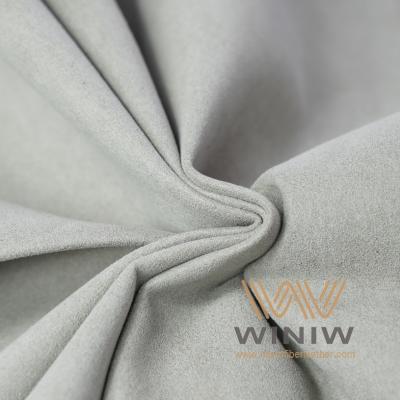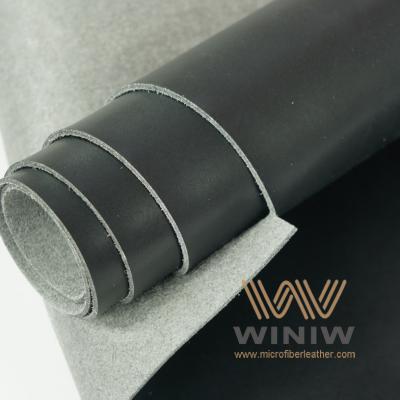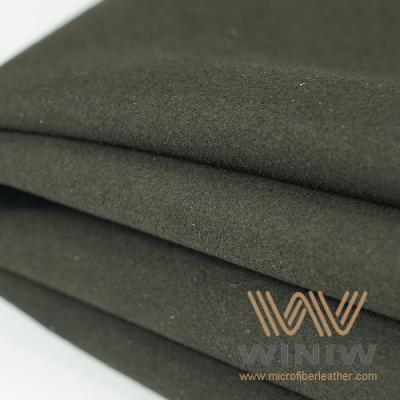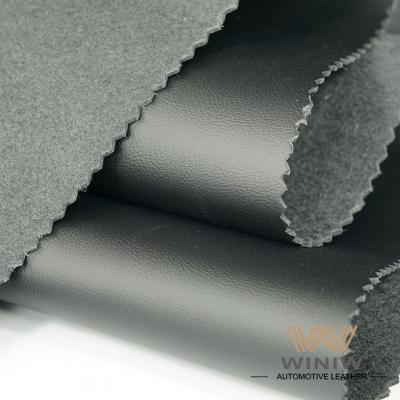
Si vous privilégiez la durabilité, la facilité d'entretien et les propriétés hypoallergéniques, un canapé en cuir pourrait parfaitement convenir à votre salon. Les canapés en tissu, quant à eux, offrent chaleur et confort, et s'adaptent aux intérieurs où le style évolue fréquemment. Consultez ce tableau comparatif pour découvrir les principaux critères de comparaison entre canapés en tissu et en cuir :
|
Facteur |
Canapés en cuir |
Canapés en tissu |
|---|---|---|
|
Durabilité |
Dure longtemps avec un entretien adéquat. |
La microfibre résiste aux taches |
|
Confort |
Frais, s'adoucit avec le temps |
Sensation douce et chaude |
|
Entretien |
Facile à nettoyer, résiste aux éclaboussures |
Nécessite plus d'entretien, housses amovibles |
|
Allergie |
Hypoallergénique |
Peut contenir des allergènes |
Tenez compte de votre style de vie lors du choix d'un canapé. Le cuir convient aux maisons plus calmes avec moins d'activité, tandis que le tissu convient bien aux familles avec enfants et animaux de compagnie.
Évaluez les besoins d'entretien. Les canapés en cuir sont faciles à nettoyer et hypoallergéniques, tandis que les canapés en tissu peuvent nécessiter plus d'entretien et retenir les allergènes.
Pensez au confort et à la température. Les canapés en tissu offrent chaleur et douceur, tandis que le cuir peut être frais en hiver et collant en été.
Ce tableau comparatif vous permet de comparer rapidement les canapés en cuir et en tissu. Le tableau ci-dessous met en évidence les principaux avantages et inconvénients de chaque type :
|
Type de canapé |
Confort |
Durabilité |
Entretien |
Coût |
|---|---|---|---|---|
|
Canapés en tissu |
Chaud en hiver, frais en été |
7 à 12 ans |
Nécessite un nettoyage régulier |
coûte généralement moins cher |
|
Il peut faire froid en hiver, humide en été |
15 à 20 ans ou plus |
Facile à nettoyer ; les liquides renversés s'essuient facilement. |
Plus cher, mais dure plus longtemps |
Les canapés en tissu offrent une plus grande personnalisation grâce à leurs couleurs et motifs. Vous pouvez ainsi assortir votre canapé à votre canapé. maison Décorez facilement et profitez d'une chaleur constante. Les canapés en cuir offrent une élégance intemporelle et une durabilité exceptionnelle. Leur entretien est simple, mais leur sensibilité à la température peut affecter le confort.
Lorsque vous comparez les canapés en cuir et en tissu, tenez compte de vos habitudes et besoins quotidiens. Si des personnes allergiques vivent chez vous, les canapés en cuir minimisent l'exposition aux acariens et autres allergènes. De plus, ils se nettoient facilement, ce qui en fait un choix idéal pour ceux qui privilégient la santé et un entretien aisé.
Les canapés en tissu conviennent parfaitement aux familles avec enfants ou aux propriétaires d'animaux. Les canapés en microfibre résistent aux taches et à une utilisation intensive. Confortables et économiques, ils sont idéaux au quotidien. Cependant, ils peuvent retenir les allergènes et s'user plus rapidement dans les zones de passage fréquent.
Conseil : Pesez le pour et le contre de chaque type de canapé avant de faire votre choix. Votre style de vie, votre budget et l’environnement de votre intérieur vous guideront vers le canapé idéal.
Vous souhaitez que votre canapé soit accueillant à chaque fois que vous vous y asseyez. Les canapés en tissu offrent un confort moelleux et douillet dès le premier instant. Vous appréciez leur chaleur et leur respirabilité, ce qui les rend idéaux pour de longs moments de détente. Canapés en cuir Elles paraissent rigides au premier abord, mais s'assouplissent magnifiquement à l'usage. Le cuir s'adapte à la température de votre corps, mais peut être collant au contact de la peau nue par temps chaud.
Voici un aperçu rapide de la façon dont les utilisateurs évaluent le confort pour les deux options :
|
Fonctionnalité |
Canapés en cuir |
Canapés en tissu |
|---|---|---|
|
Confort et sensation |
D'abord rigide, elle s'assouplit à l'usage. Elle s'adapte à la température, mais peut paraître collante. |
Plus doux, plus moelleux et plus chaud immédiatement. Très respirant pour un confort optimal même en position assise prolongée. |
Les canapés en tissu offrent un confort constant, surtout si vous passez des heures à lire ou à regarder la télévision. Les canapés en cuir, quant à eux, offrent une allure élégante et se bonifient avec le temps, mais il vous faudra peut-être un temps d'adaptation à leur fermeté initiale.
Le climat influence grandement le confort de votre canapé tout au long de l'année. Le cuir peut être plus frais en hiver et plus chaud en été. Vous remarquerez peut-être que les canapés en cuir deviennent froids lorsque la température baisse et humides lorsqu'elle monte. Les canapés en tissu, quant à eux, conservent un confort neutre en toutes saisons. Vous profitez ainsi d'un confort constant, quelle que soit la température ambiante de votre maison.
Cuir : plus frais en hiver, plus chaud en été.
Tissu : Sensation neutre en toutes saisons.
Si vous habitez dans une région aux températures extrêmes, les canapés en tissu vous offrent un confort optimal. Leur respirabilité et leur chaleur en font un choix judicieux pour un usage quotidien et une grande durabilité.
Vous souhaitez que votre canapé dure des années. Les canapés en cuir se distinguent par leur longévité exceptionnelle. La plupart des canapés en cuir véritable durent entre 12 et 20 ans. Les canapés en tissu, quant à eux, durent généralement entre 5 et 10 ans. Vous pouvez constater la différence dans le tableau ci-dessous :
|
Type de canapé |
Durée de vie moyenne |
|---|---|
|
cuir véritable |
12 à 20 ans |
|
Canapés en tissu |
5 à 10 ans |
Les canapés en cuir se patinent avec le temps, ce qui leur confère du caractère et témoigne de leur durabilité. Un entretien régulier est nécessaire pour éviter les craquelures et la décoloration. Un nettoyage simple et un soin nourrissant occasionnel leur permettent de conserver leur aspect neuf. Les canapés en tissu, quant à eux, peuvent s'user plus rapidement. Après une utilisation intensive, on constate une décoloration, un boulochage ou un affaissement. Un passage régulier de l'aspirateur et un détachage ciblé contribuent à l'entretien des canapés en tissu, mais les taches peuvent être tenaces.
Vous avez peut-être des enfants ou des animaux domestiques. Les canapés en tissu sont parfaits pour les pièces à fort passage. Les tissus modernes résistent aux taches et aux jeux turbulents. Vous appréciez les canapés en tissu pour leur praticité en cas de petits accidents. Canapés en cuir Elles offrent une grande durabilité et un nettoyage facile. Les liquides renversés restent en surface et s'essuient rapidement. Le tableau ci-dessous compare leurs caractéristiques :
|
Fonctionnalité |
Cuir |
Tissu |
|---|---|---|
|
Durabilité |
Très durable, développe une patine |
Peut montrer des signes d'usure rapidement |
|
Nettoyage |
Facile à nettoyer, les liquides renversés restent en surface. |
Nécessite plus d'entretien |
|
Résistance aux taches |
Excellent, aucune tache après les déversements. |
Mauvais état, peut nécessiter un nettoyage approfondi. |
|
Confort |
Confortable, supporte le poids |
Séduisant, mais peut lasser |
|
Entretien |
entretien réduit |
Un entretien plus important est nécessaire. |
Vous constaterez que les canapés en cuir nécessitent moins d'entretien. Les canapés en tissu demandent plus de soin, surtout dans les foyers actifs. Choisissez le canapé qui correspond à votre rythme de vie et à votre style de vie.
Vous souhaitez que votre canapé reste impeccable, surtout dans les foyers animés. Les canapés en cuir résistent aux taches grâce à leurs propriétés hydrofuges naturelles qui font perler les liquides à leur surface. Un simple coup d'éponge suffit pour nettoyer les éclaboussures, faisant du cuir l'un des matériaux les plus faciles à entretenir pour les canapés. Les canapés modernes en similicuir, notamment ceux conçus pour les foyers avec animaux, offrent une résistance aux taches impressionnante. Les familles avec animaux et enfants constatent une réduction de 60 % des taches visibles après avoir opté pour des canapés antitaches. Le temps de nettoyage est réduit jusqu'à 75 %, car un simple coup de chiffon suffit généralement à résoudre la plupart des problèmes. Ces tissus sont également dotés d'une protection anti-odeurs intégrée, pour un canapé toujours frais même après une utilisation intensive.
|
Type de canapé |
Résistance aux taches |
Résistance aux odeurs |
Temps de nettoyage |
|---|---|---|---|
|
Canapés en cuir |
Excellent |
Bien |
Minimal |
|
Très bien |
Excellent |
Réduit |
Conseil : Choisissez un tissu ou un cuir antitache pour votre canapé si vous souhaitez qu’il résiste aux éclaboussures et aux odeurs dans les foyers actifs.
Pour que votre canapé conserve toute sa beauté, il est essentiel de suivre un programme d'entretien régulier. Les canapés en cuir nécessitent des gestes quotidiens et les outils adaptés pour préserver leur souplesse et éviter les craquelures. Chaque type de cuir requiert une méthode de nettoyage spécifique ; renseignez-vous donc sur le type de revêtement de votre canapé avant de commencer. En cas de taches tenaces ou de décoloration, il est conseillé de faire appel à un professionnel pour restaurer la qualité et l'aspect d'origine. Les canapés en tissu et en cuir bénéficient d'un passage régulier à l'aspirateur et d'un détachage ciblé. Ces tissus résistent à plus de 30 000 frottements, vous garantissant ainsi une grande durabilité même en cas d'utilisation fréquente. Pour nettoyer vos canapés en tissu et en cuir, privilégiez toujours les produits nettoyants doux et évitez les produits chimiques agressifs.
Nettoyez les canapés en cuir avec un chiffon doux et un produit d'entretien.
Aspirez le tissu ou le cuir du canapé chaque semaine et nettoyez les taches au besoin.
Pour les taches ou les dommages importants, faites appel à un professionnel du nettoyage.
Vous pouvez conserver un canapé éclatant et confortable en suivant ces étapes simples.
Si vous ou des membres de votre famille souffrez d'allergies, vous souhaitez un canapé qui contribue à maintenir un environnement sain dans votre maison. Les canapés en cuir offrent un avantage considérable Idéal pour les personnes allergiques. La surface lisse du cuir n'emprisonne ni la poussière, ni le pollen, ni les poils d'animaux. Un simple coup de chiffon humide suffit pour nettoyer le cuir et éliminer rapidement la plupart des allergènes. Résistant à l'humidité, le cuir vous protège également des moisissures.
Conseil: Optez pour le cuir si vous souhaitez réduire les allergènes dans votre intérieur. Vous constaterez qu'il est plus facile de garder votre canapé propre et sans allergènes.
Voici une comparaison rapide de la façon dont les canapés en tissu et en cuir gèrent les allergènes :
|
Matériel |
Rétention des allergènes |
Facilité de nettoyage |
rétention d'humidité |
|---|---|---|---|
|
Tissu |
Piège les allergènes (acariens, squames d'animaux) |
Difficile à nettoyer |
Contient de l'humidité |
|
Cuir |
Repousse les allergènes (poussière, pollen) |
Facile à nettoyer |
Ne retient pas l'humidité |
Les canapés en tissu sont doux et confortables, mais ils peuvent accumuler des allergènes au fil du temps. Acariens, poils d'animaux et pollen s'y déposent. Si vous êtes sensible aux allergènes, vous pourriez remarquer plus d'éternuements ou des démangeaisons oculaires. Nettoyer un canapé en tissu demande plus d'efforts. Passer l'aspirateur est utile, mais un nettoyage en profondeur est souvent nécessaire pour éliminer les particules incrustées. Le tissu retient également l'humidité, ce qui peut favoriser l'apparition de moisissures si les taches ne sont pas séchées rapidement.
Si vous souhaitez un canapé qui favorise un environnement plus sain, le cuir est le meilleur choix pour limiter les allergies. Le tissu convient à de nombreux foyers, mais il nécessite un nettoyage fréquent pour réduire les allergènes.
Vous voulez un canapé qui tient debout Pour répondre aux exigences de la vie familiale, les canapés en cuir offrent une durabilité impressionnante. Les taches se nettoient facilement, ce qui est pratique lorsque les enfants renversent des gâteaux ou que les animaux domestiques ramènent de la boue. Le cuir résiste à la plupart des taches, ce qui réduit le temps consacré au nettoyage. Cependant, les objets pointus et les griffes des animaux peuvent rayer sa surface. Il faut donc faire attention aux jouets et aux animaux actifs. Le cuir est plus ferme et parfois froid au toucher, mais il résiste aux odeurs et préserve la fraîcheur de votre intérieur.
|
Fonctionnalité |
Canapés en cuir |
Canapés en tissu |
|---|---|---|
|
Durabilité |
Robuste et résistant à l'usure |
Les tissus de haute qualité résistent à l'affaissement et à l'usure. |
|
Nettoyage |
Les taches s'essuient facilement ; nécessite un entretien régulier |
De nombreux tissus bénéficient de traitements antitaches pour un nettoyage facile. |
|
Résistance aux rayures |
Peut être rayé par des objets pointus et les griffes des animaux domestiques. |
Moins susceptibles de présenter des griffures d'animaux domestiques, notamment grâce aux tissus haute performance. |
Conseil: Disposez des plaids ou des couvertures sur votre canapé en cuir pour le protéger des rayures et ajouter de la chaleur.
Vous apprécierez peut-être les canapés en tissu pour leur confort. Le tissu offre douceur et chaleur, ce qui le rend accueillant pour les enfants et les animaux domestiques. De nombreux tissus modernes bénéficient de traitements antitaches. La plupart des taches s'enlèvent d'un simple coup d'éponge, mais les taches tenaces peuvent nécessiter l'intervention d'un professionnel. Le tissu attire les poils d'animaux et peut retenir les odeurs ; il est donc important de passer régulièrement l'aspirateur. Les tissus haute performance résistent à l'usure et aux rayures, ce qui les rend idéaux pour les foyers actifs.
|
Fonctionnalité |
Cuir |
Tissu |
|---|---|---|
|
Nettoyage et entretien |
Facile à nettoyer, résistant aux taches |
Plus difficile à nettoyer, peut nécessiter l'aide d'un professionnel |
|
Confort |
Plus ferme, peut être froid ou collant |
Plus doux, plus confortable et plus chaud |
|
Animaux acceptés |
Résiste aux odeurs, facile à nettoyer, mais peut se rayer. |
Attire les poils d'animaux, peut retenir les odeurs, mais peut être résistant grâce à des options antitaches. |
En choisissant un canapé adapté aux besoins de votre famille, vous créez un espace confortable et pratique. Pensez à l'usage que vos animaux de compagnie et vos enfants feront du meuble avant de faire votre choix.
Vous souhaitez que votre canapé reflète votre personnalité et votre style. Les canapés en tissu offrent un large choix de couleurs et de motifs. Vous pouvez opter pour des imprimés audacieux, des textures subtiles ou des unis classiques. Les grandes enseignes de meubles proposent des canapés personnalisables, vous permettant ainsi de choisir la teinte ou le design exact qui correspond à vos goûts. Les canapés en cuir se déclinent en de nombreuses finitions, notamment mates, brillantes et vieillies. Vous trouverez des options de tissus et de cuirs adaptés à des intérieurs modernes et confortables.
Canapés personnalisables disponibles dans les deux matériaux
Un large choix de tissus et de cuirs, disponibles dans de nombreux coloris et motifs.
Des modèles modernes et confortables proposés par les détaillants
Si vous aimez changer souvent de décoration, les canapés en tissu vous offrent une grande flexibilité. Canapés en cuir Elles offrent un style intemporel, tout en proposant un large choix de couleurs et de finitions.
Vous souhaitez que votre canapé s'intègre harmonieusement à votre décoration. Les canapés en cuir conviennent parfaitement aux intérieurs modernes. Les lignes épurées et le minimalisme se marient à merveille avec les tons neutres ou des touches de couleur pour apporter de la profondeur. Dans un décor plus classique, les canapés en cuir aux teintes riches comme le bordeaux ou le marron foncé s'accordent parfaitement avec les meubles en bois et les objets de décoration vintage. Les styles éclectiques tirent profit du mélange des matières et des textures. Vous pouvez mettre en valeur vos canapés en cuir avec des œuvres d'art audacieuses et des objets de décoration originaux.
Les canapés en tissu s'adaptent à tous les styles. Ils s'intègrent aussi bien dans un intérieur contemporain, rustique ou éclectique. Motifs et couleurs contribuent à créer une ambiance chaleureuse. En choisissant le bon tissu pour votre canapé, vous rendez votre maison accueillante et personnalisée.
Conseil : Tenez compte des couleurs et du style de décoration de votre pièce avant de choisir un canapé. Vous créerez ainsi harmonie et confort dans votre espace de vie.
On remarque une nette différence au niveau du prix initial lorsqu'on achète un canapé. Les canapés en tissu coûtent généralement moins cher, ce qui en fait un choix populaire pour les acheteurs soucieux de leur budget. canapés en tissu économiques Comptez entre 500 et 800 dollars. Les canapés en cuir véritable commencent à 1 500 dollars et peuvent atteindre 8 000 dollars, voire plus, pour du cuir pleine fleur. Le prix dépend de la qualité et du type de cuir. Si vous souhaitez une ambiance luxueuse dans votre intérieur, le cuir représente un investissement plus important.
|
Type de canapé |
Coût initial moyen |
Durée de vie prévue |
Coût annuel |
|---|---|---|---|
|
Tissu économique |
500 $ - 800 $ |
5 à 7 ans |
100 $ - 160 $ |
|
Cuir véritable (qualité inférieure) |
1 500 $ - 2 500 $ |
10-15 ans |
100 $ - 250 $ |
|
Cuir pleine fleur |
2 500 $ - 4 500 $ |
15-20 ans |
125 $ - 300 $ |
|
Cuir pleine fleur |
4 000 $ à 8 000 $ et plus |
Plus de 25 ans |
160 $ - 320 $ |
Si vous prévoyez de redécorer souvent votre intérieur, les canapés en tissu offrent une grande flexibilité pour un coût initial moindre.
Un canapé en cuir vous apporte plus de valeur au fil du temps. Le cuir dure plus longtemps et nécessite moins de remplacements. Son entretien est moins coûteux car il résiste aux taches et à l'usure. Les canapés en tissu, quant à eux, demandent un nettoyage régulier et peuvent devoir être remplacés plus tôt. Le cuir conserve mieux sa valeur, surtout si vous souhaitez un canapé qui reste élégant pendant de nombreuses années. Bien que son prix d'achat soit plus élevé, le coût annuel peut être inférieur grâce à sa durabilité et à sa facilité d'entretien.
Tenez compte à la fois du prix d'achat et de la valeur à long terme avant de choisir un canapé. En choisissant le matériau adapté à vos besoins, vous faites un investissement judicieux.
Vous souhaitez faire un choix judicieux pour votre salon. Commencez par vous poser ces questions pour trouver le meilleur matériau pour votre canapé :
À quelle fréquence utiliserez-vous le canapé ? Une utilisation quotidienne nécessite des matériaux résistants comme la microfibre ou le cuir.
Des enfants ou des animaux domestiques utiliseront-ils le canapé ? Choisissez des tissus résistants aux taches ou du cuir qui supportent les éclaboussures et les rayures.
Quel est votre budget ? Les canapés en tissu de qualité offrent une bonne fiabilité pour moins de 1 500 $. Le cuir haut de gamme coûte plus cher, mais dure plus longtemps.
Préférez-vous un confort moelleux ou une assise plus ferme et structurée ? Les coussins en tissu offrent une sensation de confort. Le cuir assure un excellent maintien.
L'importance d'un nettoyage facile : le cuir se nettoie rapidement d'un simple coup de chiffon. Les tissus modernes résistent aux taches et aux odeurs.
Vous souffrez d'allergies ? Le cuir repousse la poussière et les allergènes. Le tissu nécessite un nettoyage régulier pour rester frais.
À quelle fréquence changez-vous de décoration ? Les canapés en tissu offrent un plus grand choix de couleurs et de motifs. Le cuir, quant à lui, limite les possibilités en matière de design.
Quelle garantie offre le canapé ? Privilégiez les marques proposant des conditions claires et une couverture contre les défauts.
Pouvez-vous examiner le canapé avant de l'acheter ? Demandez des échantillons de tissu et vérifiez la solidité de la structure et le confort des coussins.
Conseil : Vérifiez toujours les étiquettes de composition des fibres et évitez les canapés dont la description des matériaux est vague ou dont les étiquettes de sécurité sont manquantes.
Voici un tableau pour vous aider à comparer les facteurs clés :
|
Facteur |
Canapés en cuir |
Canapés en tissu |
|---|---|---|
|
Flexibilité de conception |
Limité par la couleur et le style dominants |
Souple ; s'adapte aux tendances et aux accessoires |
|
Durabilité |
Très durable ; investissement à long terme |
Moins durable ; économique pour une utilisation à court terme |
|
Entretien |
Méthodes de nettoyage spécifiques ; élimination facile des allergènes |
Peut absorber les déversements et les odeurs ; traitements antitaches disponibles |
|
Compatibilité avec le style de vie |
Convient aux foyers peu actifs ; peut présenter des traces d'usure dues aux animaux domestiques. |
Idéal pour les foyers actifs ; résiste aux déversements et aux taches. |
|
Considérations relatives aux allergies |
Non poreux ; plus facile à nettoyer, ce qui réduit les allergènes. |
Peut retenir les allergènes ; nécessite un nettoyage régulier |
Vous souhaitez que votre canapé s'adapte à votre quotidien et à votre intérieur. Réfléchissez bien au choix du canapé idéal. Si vous vivez dans une famille nombreuse avec des enfants ou des animaux, les canapés en tissu traités antitaches sont une excellente option. Les coussins en microfibre sont doux et chauds, parfaits pour les familles. Les canapés en cuir conviennent mieux aux intérieurs plus calmes et moins sujets aux accidents. Ils offrent un confort luxueux et un excellent maintien, mais le cuir peut être froid en hiver et humide en été.
Les préférences personnelles comptent. Si vous avez grandi avec le cuir, vous trouverez peut-être le tissu moins résistant. Si vous aimez changer régulièrement de décoration, le tissu offre un large choix de couleurs et de motifs. Pour les petits budgets, les tissus de qualité sont plus fiables que le cuir bon marché. Si votre budget est inférieur à 1 500 $, investir dans du tissu est plus avantageux.
Voici un tableau indiquant quel type de canapé convient à différents modes de vie :
|
Type de canapé |
Caractéristiques |
Idéal pour |
|---|---|---|
|
Canapé en tissu |
Abordable, large choix de couleurs, ambiance chaleureuse |
Acheteurs soucieux de leur budget, foyers avec enfants ou animaux de compagnie |
|
Canapé pont |
Design informel, accoudoirs bas, coussins profonds, invitant à des conversations décontractées |
Maisons de campagne, lofts urbains, maisons de banlieue |
|
Canapé Lawson |
Dossier droit, assise profonde, coussins amovibles, allie confort et praticité. |
Salons décontractés, salles familiales, design intemporel |
Vous recherchez confort, durabilité et style pour votre salon ? Privilégiez une structure robuste et des finitions de qualité. Si vous avez des animaux, choisissez des matériaux adaptés. Optez pour des canapés déhoussables et lavables pour un entretien facile. Assurez-vous également que votre canapé offre suffisamment de places assises pour tous les membres de votre foyer.
Remarque : Un contrôle rigoureux garantit la durabilité et le confort. Évitez les canapés présentant des articulations fragiles, des coussins affaissés ou pour lesquels aucune politique de retour n’est proposée.
Vous pouvez trouver le meilleur matériau pour votre canapé en fonction de vos besoins, de vos préférences et de votre budget. Options de tissu et de cuir pour canapé Pour les foyers actifs, les canapés en cuir offrent flexibilité et confort. Pour les espaces plus calmes, ils allient élégance et durabilité. Ce guide vous aidera à faire le bon choix pour votre salon.
Les canapés en cuir conviennent aux intérieurs plus calmes et constituent un investissement durable pour votre salon. Les canapés en tissu, quant à eux, sont parfaits pour les familles actives, offrant confort et flexibilité d'aménagement. Prenez en compte vos besoins en matière d'entretien, la taille de votre famille et votre budget. Prenez le temps de choisir le matériau qui correspond à votre style de vie. Vous aurez la certitude d'avoir fait le bon choix.

Vous pouvez utiliser un chiffon humide et du savon doux. Évitez les produits chimiques agressifs. Testez tout produit nettoyant sur une petite surface au préalable.
|
Type de tissu |
Résistance à la lumière solaire |
|---|---|
|
Coton |
Faible |
|
microfibre |
Haut |
|
Polyester |
Moyen |
Il est conseillé de tenir les canapés en tissu à l'abri de la lumière directe du soleil afin d'éviter qu'ils ne se décolorent.
Le tissu en microfibre résiste aux taches et aux rayures.
Le cuir se nettoie facilement mais marque facilement les rayures.
Vous devriez choisir en fonction des habitudes de votre animal.
Winiw International Co.,Ltd


Analyse de wechat:



 Tél. : +86 18150976625
 Messagerie : Market@MicrofiberLeather.com