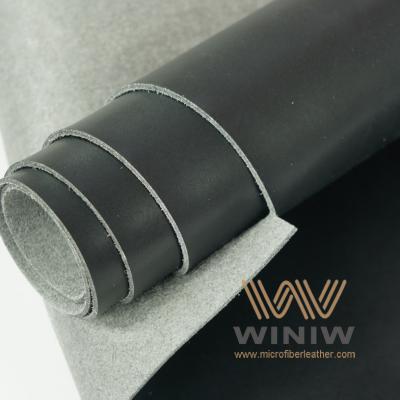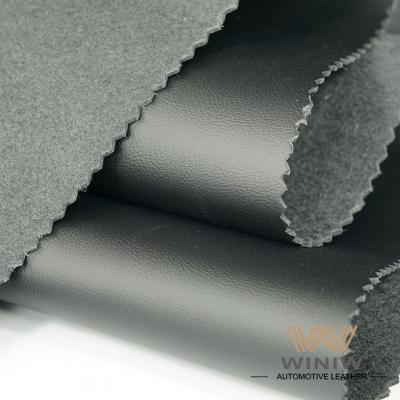
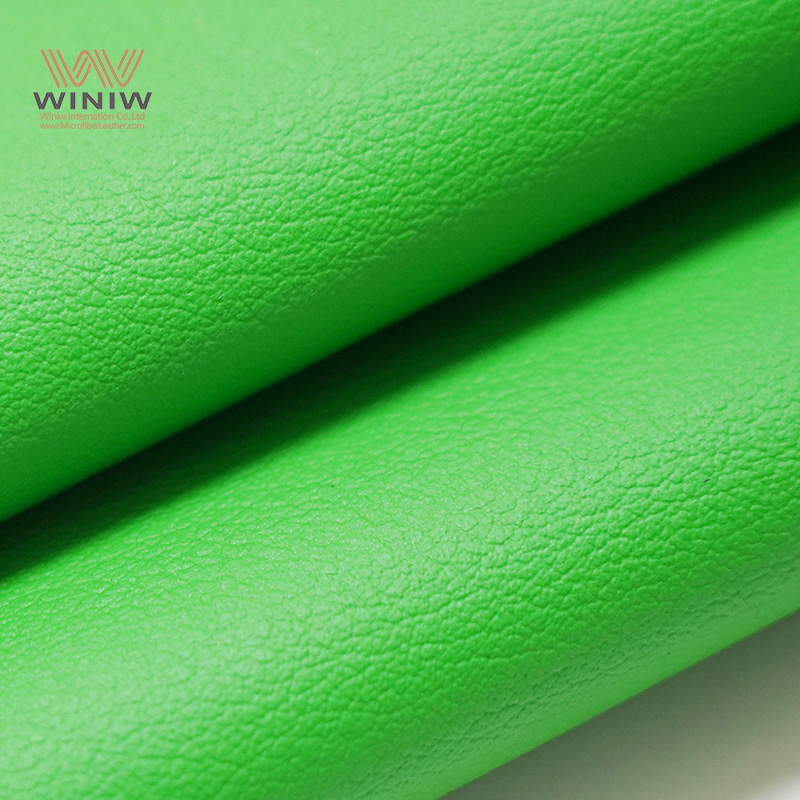
Vous devez suivre une routine pour garder votre canapé en cuir dans son meilleur état.Le cuir nécessite plus d'attention que les meubles en microfibre. Vous devriez dépoussiérer votre canapé en cuir chaque semaine avec un chiffon sec en microfibre. Chaque mois, nettoyez-le avec un chiffon humide et un savon au pH neutre. Tous les trois mois, appliquez un revitalisant pour cuir afin d'éviter le dessèchement et les fissures. Une fois par an, utilisez un produit de protection du cuir pour une meilleure résistance aux éclaboussures. Évitez toujours les produits chimiques agressifs. Le cuir nécessite des nettoyants et des revitalisants spécifiques, vous consacrez donc plus de temps à son entretien qu'à celui de la microfibre.
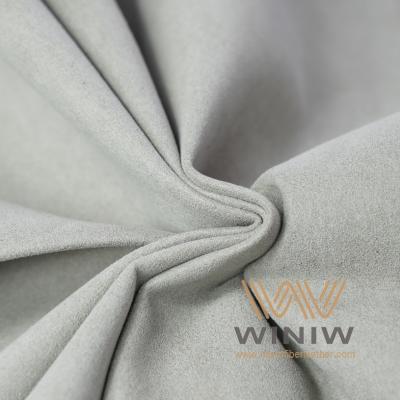
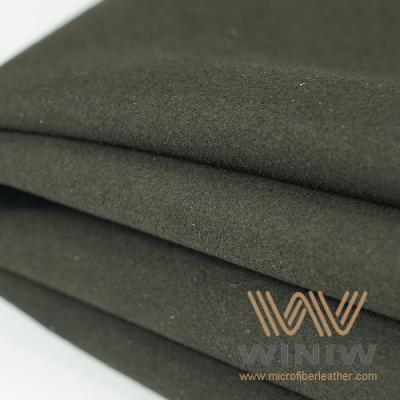
Les meubles en microfibre se distinguent par leur entretien facile. Vous pouvez nettoyer un canapé en microfibre avec un chiffon humide et un détergent doux. Ce matériau résiste aux taches et ne retient pas la poussière, ce qui est utile si vous avez des allergies. Un passage régulier de l'aspirateur avec un embout pour tissus d'ameublement garde vos meubles en microfibre frais. Pour la plupart des salissures, vous n'avez besoin que d'outils simples. Vous n'avez pas besoin d'entretenir la microfibre avec un revitalisant, ce qui vous fait gagner du temps.
Les deux matériaux gèrent les éclaboussures différemment. Les meubles en microfibre résistent à l'absorption des liquides, vous pouvez donc tamponner rapidement les éclaboussures avec un chiffon propre. Pour les taches tenaces, utilisez de l'alcool à friction ou un nettoyant doux. Vaporisez la solution sur une serviette en microfibre et essuyez doucement la zone. Pour un nettoyage en profondeur, envisagez un nettoyage à la vapeur ou l'aide d'un professionnel. Le cuir nécessite une action rapide en cas d'éclaboussures. Tamponnez, ne frottez pas, et utilisez un nettoyant conçu pour le cuir. Laissez toujours la zone sécher à l'air libre. Les meubles en microfibre offrent un choix pratique pour les foyers occupés et les préoccupations liées aux allergies.
Vous pouvez choisir parmi plusieurs styles de canapés en cuir qui s'adaptent à une décoration intérieure moderne. Le cuir apporte une sensation de luxe et d'intemporalité à votre salon. Voici quelques choix populaires :
Cuir pleine fleur supérieur: Cette option vous offre une grande durabilité et un aspect classique. Beaucoup de personnes la choisissent pour sa sensation haut de gamme dans les espaces modernes.
Cuir pleine fleur: Vous obtenez une apparence distinctive et intemporelle. Ce style ajoute du caractère et de la profondeur à votre espace de vie.
Choix de couleurs: Le brun et le beige restent des favoris. Ces teintes s'harmonisent bien avec de nombreux styles de décoration et ne se démodent jamais.
Les canapés en cuir présentent souvent des lignes épurées et des formes structurées. Vous pouvez les utiliser comme pièce maîtresse ou comme élément d'ancrage discret dans votre pièce.
Les canapés en microfibre vous offrent davantage de flexibilité en matière de design et de couleur. Vous pouvez en trouver dans une grande variété de formes, de motifs et de teintes. Cela facilite l'harmonisation de votre canapé avec vos goûts personnels ou les tendances saisonnières. Le tableau ci-dessous montre la comparaison des options de style entre la microfibre et le cuir :
|
Type de canapé |
Variété de design |
Options de couleurs |
|---|---|---|
|
Microfibre |
Élevée |
Large gamme |
|
Cuir |
Modérée |
Limitée |
Vous pouvez expérimenter avec des couleurs audacieuses ou des motifs uniques lorsque vous choisissez la microfibre. Ce matériau convient bien si vous souhaitez renouveler souvent votre décoration.
Vous devriez tenir compte de votre décoration existante avant de choisir un canapé. Le cuir convient particulièrement aux espaces classiques, modernes ou industriels. Ses tons neutres et sa texture riche ajoutent de la chaleur et du raffinement. La microfibre s'intègre bien dans les pièces décontractées, contemporaines ou éclectiques. Vous pouvez utiliser sa variété de couleurs pour créer un style ludique ou coordonné. Pensez aux couleurs de vos murs, à votre sol et à vos accessoires. Choisissez le matériau qui complète votre style et apporte un équilibre à votre espace.
Lorsque vous achetez un canapé en cuir, vous remarquez que son prix se situe dans la partie supérieure du marché. Les canapés en cuir véritable coûtent souvent plus cher au départ, car ils utilisent des matériaux naturels et un savoir-faire artisanal. Vous pouvez vous attendre à payer entre 1 000 $ et 5 000 $ ou plus pour un canapé en cuir de haute qualité. L'investissement initial peut sembler élevé, mais vous obtenez un canapé qui peut durer plusieurs décennies avec un entretien approprié. Beaucoup de personnes considèrent le canapé en cuir comme un investissement à long terme. Vous profitez également de la sensation luxueuse et de l'aspect classique qui ne se démode jamais.
Un canapé en microfibre vous offre une option économique. La plupart des canapés en microfibre coûtent entre 300 $ et 1 200 $, ce qui les rend accessibles à de nombreux foyers. Vous économisez de l'argent non seulement lors de l'achat, mais aussi lors de l'entretien. La microfibre résiste aux taches et nécessite des produits de nettoyage moins coûteux. Si vous avez des enfants ou des animaux de compagnie, vous trouvez le canapé en microfibre facile à garder propre. Un prix plus bas ne signifie pas que vous sacrifiez le confort ou le style. Vous obtenez une assise douce et confortable ainsi qu'un large choix de couleurs.
Vous voulez savoir quel canapé offre le meilleur rapport qualité-prix au fil du temps. Consultez ce tableau pour une comparaison rapide des coûts :
|
Type de canapé |
Coût initial |
Durée de vie (années) |
Coût d'entretien |
Valeur à long terme |
|---|---|---|---|---|
|
Canapé en microfibre |
Inférieur |
5-10 |
Faible |
Bon |
|
Cuir PUCanapé |
Inférieur |
2-5 |
Plus élevé |
Correct |
|
Canapé en cuir véritable |
Plus élevé |
15-30 |
Modéré |
Excellent |
De nombreux avis en ligne mettent en avant les avantages de chaque matériau :
Les canapés en cuir sont appréciés pour leur durabilité et leur capacité à conserver leur confort et leur forme pendant des années.
Les canapés en microfibre obtiennent des points pour leur prix abordable, leur résistance aux taches et leur facilité de nettoyage.
Les familles recommandent souvent la microfibre pour les foyers avec des enfants ou des animaux de compagnie.
Les utilisateurs apprécient la sensation luxueuse et la longue durée de vie d'un canapé en cuir.
Les deux options obtiennent des notes de satisfaction élevées. Vous devriez évaluer les avantages de chacune en fonction de votre budget et de votre mode de vie. Un canapé en cuir coûte plus cher mais dure plus longtemps, tandis qu'un canapé en microfibre vous permet d'économiser de l'argent au départ et sur l'entretien.
Vous pouvez vouloir savoir comment les canapés en cuir affectent l'environnement. La production de cuir utilise des peaux animales et implique plusieurs étapes qui ont un impact sur la nature. L'élevage bovin produit des gaz à effet de serre et contribue à la déforestation. Le processus de tannage utilise des produits chimiques qui peuvent polluer l'eau s'ils ne sont pas bien gérés. Les usines dépendent souvent des combustibles fossiles, qui augmentent les émissions. Le traitement des peaux utilise également de grandes quantités d'eau et crée des eaux usées. Du côté positif, le cuir véritable se biodégrade avec le temps, contrairement à de nombreux matériaux synthétiques. Certaines entreprises utilisent désormais le tannage végétal et les énergies renouvelables pour réduire les dommages.
Voici un résumé des principaux facteurs de la durabilité du cuir :
|
Type de preuve |
Description |
|---|---|
|
Émissions liées à l'élevage bovin |
La production de 1 m² de cuir entraîne 22,48 kg d'équivalent CO₂, dont 68 % proviennent de l'élevage et de l'abattage en amont. |
|
Déforestation |
L'élevage bovin est responsable de 80 % de la déforestation en Amazonie, contribuant à la perte de biodiversité et à l'érosion des sols. |
|
Utilisation de produits chimiques |
Les méthodes de tannage introduisent des produits chimiques toxiques qui peuvent polluer les plans d'eau, en particulier dans les zones où le traitement est insuffisant. |
|
Sources d'énergie |
Les installations qui dépendent des combustibles fossiles pour leur énergie augmentent les émissions de gaz à effet de serre ; les sources renouvelables peuvent atténuer cela. |
|
Utilisation de l'eau |
La transformation des peaux implique de grands volumes d'eau et génère des eaux usées qui nécessitent une gestion rigoureuse. |
|
Biodégradabilité |
Le cuir véritable se biodégrade avec le temps, tandis que les alternatives synthétiques persistent dans les décharges pendant des siècles. |
|
Les consommateurs devraient rechercher du cuir produit avec des pratiques responsables, comme le tannage végétal et l'utilisation d'énergie renouvelable. |
Conseil : Vous pouvez réduire votre impact en choisissant des canapés en cuir fabriqués avec des méthodes écologiques.
Les canapés en microfibre utilisent des fibres synthétiques comme le polyester ou le nylon. Ces matériaux nécessitent beaucoup d'énergie pour être produits. Le processus n'utilise pas de produits d'origine animale, mais il repose sur des ressources à base de pétrole. La microfibre ne se décompose pas facilement dans les décharges, elle reste donc longtemps dans l'environnement. Certains fabricants utilisent désormais des matériaux recyclés ou des méthodes de production plus écologiques pour contribuer à réduire les dommages.
Vous pouvez comparer les principaux impacts environnementaux :
La production de canapés en cuir utilise des produits chimiques nocifs et provoque des émissions de gaz à effet de serre liées à l'élevage du bétail.
Les canapés en microfibre nécessitent une fabrication énergivore et ne sont pas biodégradables.
Certaines marques adoptent désormais des pratiques durables pour la microfibre, comme l'utilisation de fibres recyclées.
Vous devriez tenir compte de ces facteurs lorsque vous choisissez un canapé. Recherchez des marques qui utilisent des méthodes responsables et des matériaux recyclés pour aider à protéger la planète.
Vous voulez un canapé qui résiste à la vie quotidienne avec des enfants et des animaux domestiques. La microfibre devient souvent le meilleur choix dans ces foyers. Le tissu résiste aux taches et aux rayures, vous passez donc moins de temps à vous soucier des salissures. Vous pouvez nettoyer la plupart des éclaboussures avec un chiffon humide. Les canapés en cuir ont un aspect élégant, mais ils peuvent montrer des rayures causées par les griffes ou les jouets. Si vous voulez une option durable et facile à entretenir, la microfibre offre plus d'avantages que d'inconvénients pour les familles occupées.
Conseil : Choisissez un canapé en microfibre de couleur plus foncée pour masquer les taches et les poils d'animaux.
Vous pouvez avoir des difficultés avec les allergies à la maison. Les canapés en microfibre aident à réduire la poussière et les allergènes car leur tissage serré bloque les particules. Vous pouvez facilement passer l'aspirateur sur le canapé et garder l'air plus propre. Le cuir résiste également aux acariens, mais il nécessite un entretien régulier. Si vous voulez un meilleur choix pour contrôler les allergies, la microfibre vous donne un avantage. Les deux matériaux ont des avantages et des inconvénients, alors réfléchissez à vos habitudes de nettoyage.
|
Matériau du canapé |
Avantage pour les allergies |
Entretien |
|---|---|---|
|
Microfibre |
Élevé |
Facile |
|
Cuir |
Modéré |
Modéré |
Vous avez besoin d'un canapé qui supporte une utilisation intensive. Le cuir dure des années et acquiert du caractère avec le temps. La microfibre résiste aux éclaboussures et aux nettoyages fréquents. Si vous voulez un meilleur choix pour les zones très fréquentées, considérez comment chaque canapé s'intègre à votre routine. Le cuir offre une durabilité à long terme, mais la microfibre offre un entretien facile. Examinez les inconvénients de chacun avant de décider. Votre mode de vie vous guidera vers le bon canapé.
Vous pouvez comparer le cuir et la microfibre à l'aide de ce tableau :
|
Priorité |
Cuir |
Microfibre |
|---|---|---|
|
Durabilité |
Durable |
Moins durable |
|
Entretien |
Nécessite des soins particuliers |
Nettoyage facile |
Le cuir vous offre un aspect sophistiqué. La microfibre propose de nombreuses couleurs et styles. Vous devriez tenir compte de votre mode de vie et de vos besoins en matière de confort. Les deux matériaux nécessitent un entretien régulier. La microfibre a davantage d’impact sur l’environnement, mais la production de cuir présente également des inconvénients.
Vous obtenez un canapé en cuir qui offre une grande durabilité à long terme et une sensation de luxe. Il résiste à l’usure et développe du caractère avec le temps, ce qui en fait un choix judicieux.
Vous pouvez remarquer plus facilement les rayures et les taches. Le cuir peut sembler froid ou collant. Ces inconvénients du cuir sont importants à prendre en compte si vous avez des enfants ou des animaux de compagnie.
Vous profitez d’une sensation moelleuse avec la microfibre. Le tissu est doux et confortable. La microfibre convient bien si vous recherchez du confort et un entretien facile.
Winiw International Co.,Ltd


Analyse de wechat:



 Tél. : +86 18150976625
 Messagerie : Market@MicrofiberLeather.com