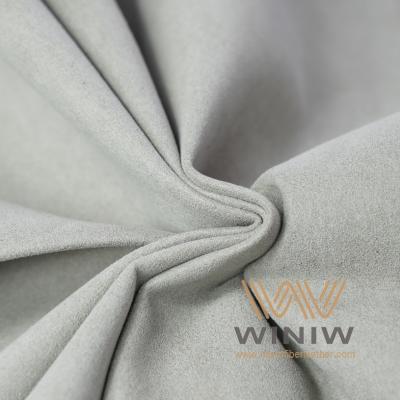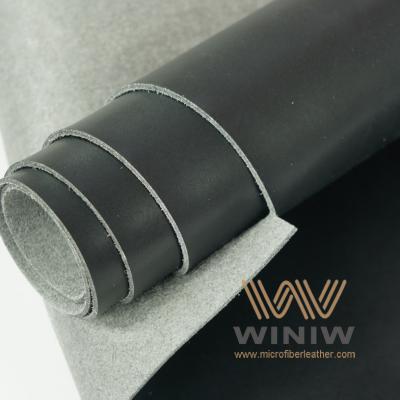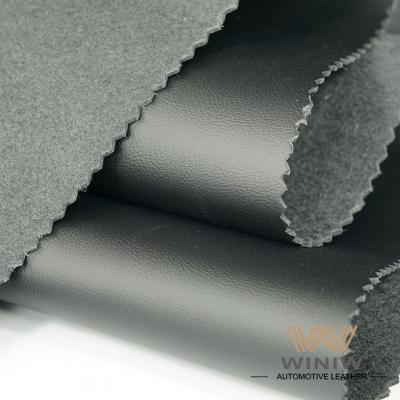
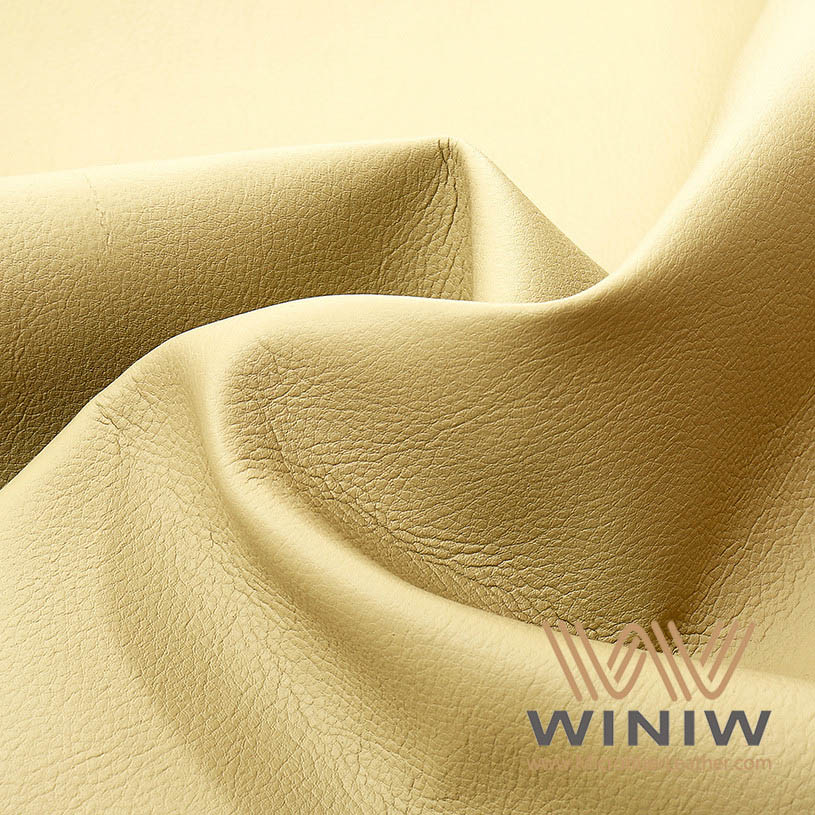
Vous souhaitez que votre voiture soit moderne et luxueuse, vous envisagez donc de la remplacer par une version plus récente. custom automotive leather for the interior. Quality matters because high-grade leather lasts longer, resists wear, and supports good driving posture. Premium custom leather also boosts comfort, adds style, and increases your vehicle’s value.
Understand the types of leather : Full-grain offers durability, top-grain balances luxury and practicality, and Nappa provides a soft feel but requires more care.
Evaluate leather quality using your senses: Look for natural grain patterns, feel for softness, and smell for a rich, earthy aroma to ensure authenticity.
Regular maintenance is key: Clean and condition your leather every 3 to 6 months to keep it looking fresh and extend its lifespan.
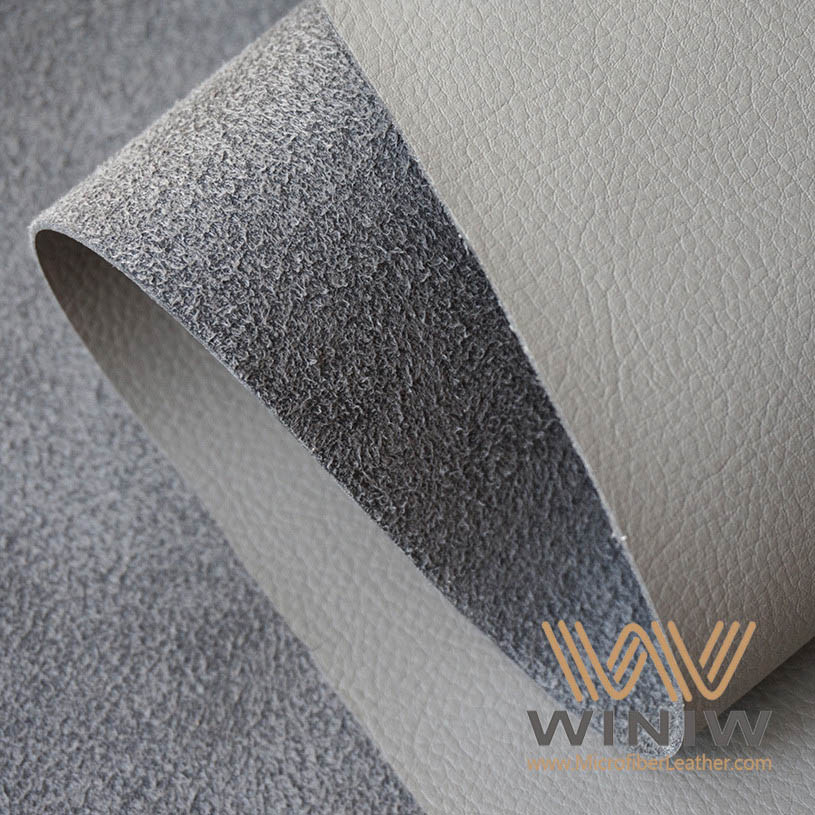
When you evaluate custom automotive leather , you should start by understanding the different types available. Full-grain leather stands out as the highest quality option for automotive interiors. It retains its natural grain and imperfections, which add unique character and durability. You can expect full-grain leather upholstery to withstand years of use, making it a smart investment for your car.
Top-grain leather offers a balance between luxury and practicality. Manufacturers sand and buff this leather to create a more uniform appearance, which suits premium automotive upholstery. Top-grain leather resists wear and is easier to maintain than full-grain, making it a popular choice for custom automotive leather in both luxury and economy vehicles.
Nappa leather is another luxurious option. It features a protective coating that enhances durability and resists cracking and fading. Nappa leather retains its natural texture and provides a soft, elegant feel. However, it shows wear more quickly and requires consistent care to maintain its appearance. You often find Nappa leather upholstery in high-end automotive interior design.
Tip: If you want the best custom automotive leather for your car interior, consider how each type matches your lifestyle and maintenance preferences.
Here is a quick comparison of leather types for automotive upholstery options:
Full-grain leather is highly durable and can withstand wear over long periods.
Top-grain leather balances luxury and practicality, offering resilience and easier maintenance.
Nappa leather is luxurious but shows wear more quickly and requires consistent care.
Grain, texture, and finish play a major role in the durability and appearance of custom automotive leather. Full-grain leather keeps its natural grain, which means you see unique markings and a rich texture. This quality adds value and character to your car interior. Top-grain leather, on the other hand, has a smoother, more uniform texture due to sanding and buffing. This makes it ideal for polished automotive upholstery.
The finish of automotive leather affects how well it resists stains and fading. Manufacturers apply a pigmented urethane protective layer and a clear abrasion-resistant topcoat. These finishes improve durability, make cleaning easier, and protect against stains from perspiration, grease, and oil. Pigmented or semi-aniline finishes are common in automotive applications because they resist UV fading and temperature extremes.
Full grain leather finishes include Full Aniline, Semi-Aniline, and Pigmented, each affecting the leather's durability and reaction to wear and staining differently.
Pigmented or semi-aniline finishes are specifically designed for automotive applications, providing resistance to UV fading and temperature extremes.
Advances in technology have also improved the quality of custom automotive leather. New finishing agents enhance weather resistance and antibacterial properties. Multiple cross-linking technology increases durability, while sizing treatments boost moisture permeability and softness. These innovations help maintain comfort and longevity in your car's interior.
Note: The grain and texture of leather significantly influence its durability, aesthetic appeal, and overall value, affecting the final appearance of automotive interiors.
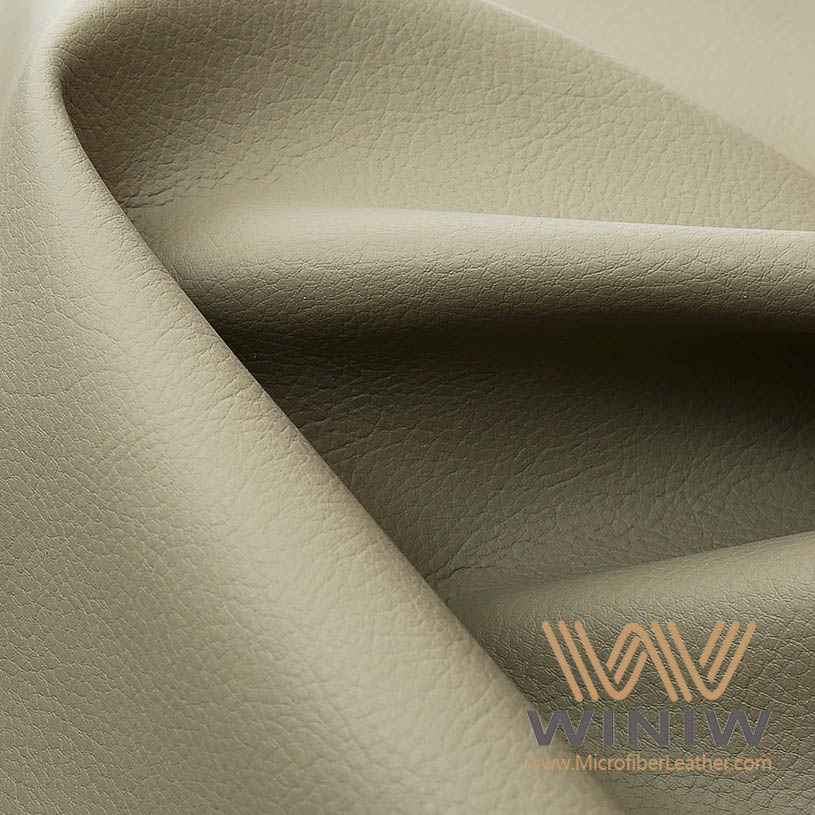
Choosing the right color and style for your custom automotive leather is essential for a cohesive look. Popular color options include classic shades like black and vanilla, as well as bold choices such as lipstick red. These colors allow you to personalize your car and can increase its resale value due to their luxurious perception.
When you match leather upholstery to your car interior, you should follow key design principles:
Assess your current interior theme. Look at the dominant colors, materials, and style.
Choose leather colors that complement or contrast with existing elements.
Match leather textures with other interior materials.
Reflect your vehicle's overall theme in the leather style.
Incorporate matching or complementary trim for a unified look.
Select durable leather that is easy to maintain.
Visualize the final look using swatches or digital tools.
Consult with professionals if you feel unsure about your choices.
Ensure proper installation for the best results.
A well-chosen color scheme and thoughtful detailing can transform your automotive interior design. Leather upholstery does not retain common allergens, making it a comfortable option for allergy sufferers. Unlike fabric, leather does not harbor dust mites or pet dander, which helps maintain a cleaner environment inside your car.
Tip: Use swatches or digital visualization tools to see how your chosen leather color and style will look in your car before making a final decision.
If you want to protect your custom automotive leather from UV damage, park in shaded areas or use car window shades. Regular cleaning and conditioning with products that offer UV protection will help preserve the color and finish of your automotive upholstery options.
You should also consider the environmental impact of your choices. Automotive leather is part of a circular economy and is biodegradable, decomposing much faster than synthetic alternatives. This makes it a sustainable option for your car interior.
Here is a table showing how custom automotive leather options differ for luxury versus economy vehicles:
|
Type of Leather |
Economy Pricing |
Luxury Pricing |
|---|---|---|
|
Genuine Leather |
$200 - $400 per row |
$400 - $800 per row |
|
$100 - $300 per row |
$200 - $500 per row |
|
|
Nappa Leather |
N/A |
$800 - $1,500+ per row |
|
Heated Leather |
N/A |
$1,000 - $2,500+ per row |
|
$50 - $150+ |
N/A |
This table highlights the significant price differences and customization options available for luxury versus economy vehicles. Luxury leather options offer superior quality and features, making them a top choice for those seeking premium automotive upholstery.
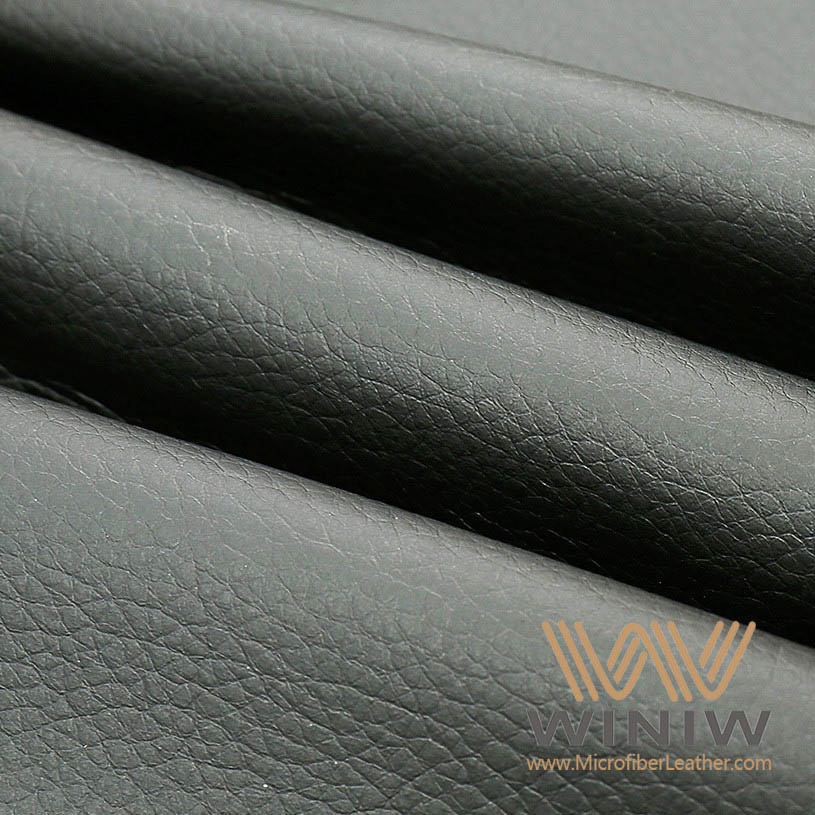
When you inspect custom automotive leather for your car, you should use your senses to evaluate quality and authenticity. Start by looking at the surface. Genuine leather upholstery shows natural grain patterns and subtle imperfections, which add character to your interior. Synthetic materials often appear too uniform and lack depth.
Touch the leather. High-quality options like Nappa leather feel buttery soft and smooth. You will notice a gentle warmth as you press your hand against the surface. Real leather wrinkles slightly when you bend it, while synthetic alternatives remain stiff. The tactile response helps you distinguish between genuine and imitation materials.
Smell the leather. Authentic leather upholstery gives off a rich, earthy aroma. This scent is absent in synthetic options, which often have a chemical odor. Your sensory perceptions play a key role in assessing material authenticity. Natural materials provide distinct cues that help you choose the best custom automotive leather for your car interior.
Genuine leather, such as Nappa, has a soft texture and earthy smell.
Customers rely on touch and smell to assess authenticity.
Real Nappa leather feels buttery soft and smooth.
It has a rich, earthy smell, unlike synthetic alternatives.
The tactile response, such as wrinkling and warmth, supports authenticity.
You should pay close attention to stitching, backing, and installation when evaluating leather upholstery choices. Quality stitching ensures durability and enhances the look of your automotive interior design. Inspect the seams for even spacing and tightness. Double or reinforced stitching patterns offer extra strength, especially in high-use areas like seats.
Backing materials also affect the longevity of your custom automotive leather. Durable backing prevents stretching and sagging, keeping your seats comfortable and supportive. Look for options that use engineered materials designed for resilience.
Installation quality matters just as much as material selection. Poor installation can compromise the fit and function of your leather upholstery. Common mistakes include not cleaning seats before installation, ignoring instructions, and neglecting safety features. These errors can lead to poor fit, abrasion, odors, and even blocked airbags.
|
Material |
Durability Features |
|---|---|
|
Katzkin XT |
Twice as thick, water-resistant, scuff-resistant, kid-resistant |
|
Barracuda leather |
Engineered for durability while maintaining aesthetic appeal |
|
Suedezkin microfiber |
Made from recycled materials, luxurious feel, durable |
|
Mistake |
Effects |
|---|---|
|
Not Cleaning Seats Before Installation |
Poor fit, abrasion, improper adhesion, odors, ventilation issues |
|
Not Following Installation Instructions |
Voiding warranties, wasted time, comfort issues |
|
Not Using Provided Tools and Fasteners |
Risk of damage, loose fit, incorrect fastener usage |
|
Ignoring Important Safety Features |
Blocked airbags, seatbelt issues, fire hazard, sensor issues |
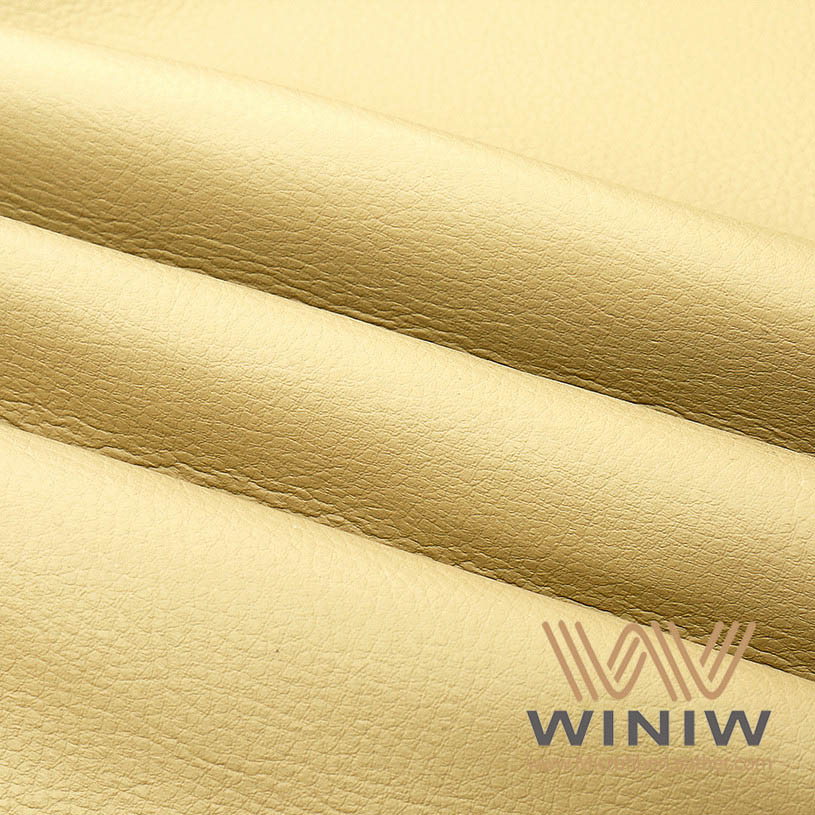
Durability is a key factor when choosing custom automotive leather for your car. You want seats that resist wear and maintain their appearance over time. Laboratory tests such as the Leather Moisture Determination Test and Tensile Strength Testing help manufacturers assess the durability of automotive leather. These tests ensure that your leather upholstery can withstand constant movement and vibrations without cracking or tearing.
Routine maintenance keeps your interior looking fresh and extends the life of your seats. Different types of automotive leather respond differently to cleaning products. Aniline leather requires regular conditioning to prevent drying and cracking. Semi-aniline leather is easier to maintain but still needs occasional care. Pigmented leather has a protective top coat, making it less absorbent and easier to clean.
|
Leather Type |
Maintenance Needs |
Response to Cleaning Products |
|---|---|---|
|
Aniline Leather |
Requires constant maintenance, washing, and conditioning |
Neglect leads to drying, cracking, short lifespan |
|
Semi-Aniline Leather |
Easier to clean, needs occasional maintenance |
Untreated leather becomes hazy and brittle, but more resilient |
|
Pigmented Leather |
Minimal maintenance, occasional care needed |
Easier cleanup, neglect leads to brittleness |
You should follow a regular cleaning schedule to keep your leather upholstery in top condition:
Vacuum loose dirt and debris from seats.
Apply leather cleaner to problem areas and gently rub with a soft brush.
Wipe away excess moisture with a microfiber towel and allow seats to dry for up to 24 hours.
Apply leather conditioner evenly and let it absorb for 4-6 hours.
Wipe off excess conditioner and ensure seats are fully dry. Repeat every 3 to 6 months.
Balancing quality with budget is important when designing your auto interior. The average cost for high-quality custom automotive leather is around $1,000 per unit. This price reflects the durability and aesthetic appeal that genuine leather brings to your car. When you compare design options, consider factors such as type of leather, aesthetic appeal, durability, and maintenance needs.
|
Factor |
Description |
|---|---|
|
Type of Leather |
Full-grain offers sophistication, top-grain balances quality and cost |
|
Aesthetic Appeal |
Visual appeal is crucial for complementing your car's design |
|
Durability |
Long-term durability maintains appearance and functionality |
|
Maintenance |
Easy cleaning and care add practicality |
Luxury leather enhances elegance and durability, potentially increasing resale value. Budget fabric offers practicality and affordability, suitable for everyday use. Choosing between these options depends on your individual needs and values. High-end automotive interior design often favors premium leather upholstery for its comfort and lasting appeal.
By inspecting and comparing custom automotive leather using these steps, you can make informed decisions about your car interior. You will enjoy a comfortable, stylish, and durable space that reflects your personal taste and meets your practical needs.
You can choose the best automotive leather for your car by following expert steps. Use this table to guide your evaluation:
|
Key Step |
Description |
|---|---|
|
Shrinkage and Discolouration |
Test for changes in humid conditions. |
|
Abrasion Resistance |
Check durability using the Taber method. |
|
Flammability |
Assess burning rate for safety. |
|
Smell |
Ensure the scent is pleasant and natural. |
|
Other Properties |
Review flex resistance, tear strength, and light fastness. |
Many customers share positive stories about upgrading their interior with quality materials:
John transformed his car with sleek leather, creating a stunning new look.
Ritchie praises the excellent customer service and product quality.
Consult reputable suppliers for assurance and enjoy a comfortable, stylish interior.
You can check the surface of the seats for natural grain and smell. Genuine leather upholstery in your car interior feels soft and shows unique patterns.
You get longer-lasting seats by choosing high-quality automotive leather upholstery . Regular cleaning and conditioning help protect your car interior and keep the design looking new.
You can add automotive leather upholstery to most car seats. Some options fit better with certain seat shapes. Always check with a professional before starting your design project.
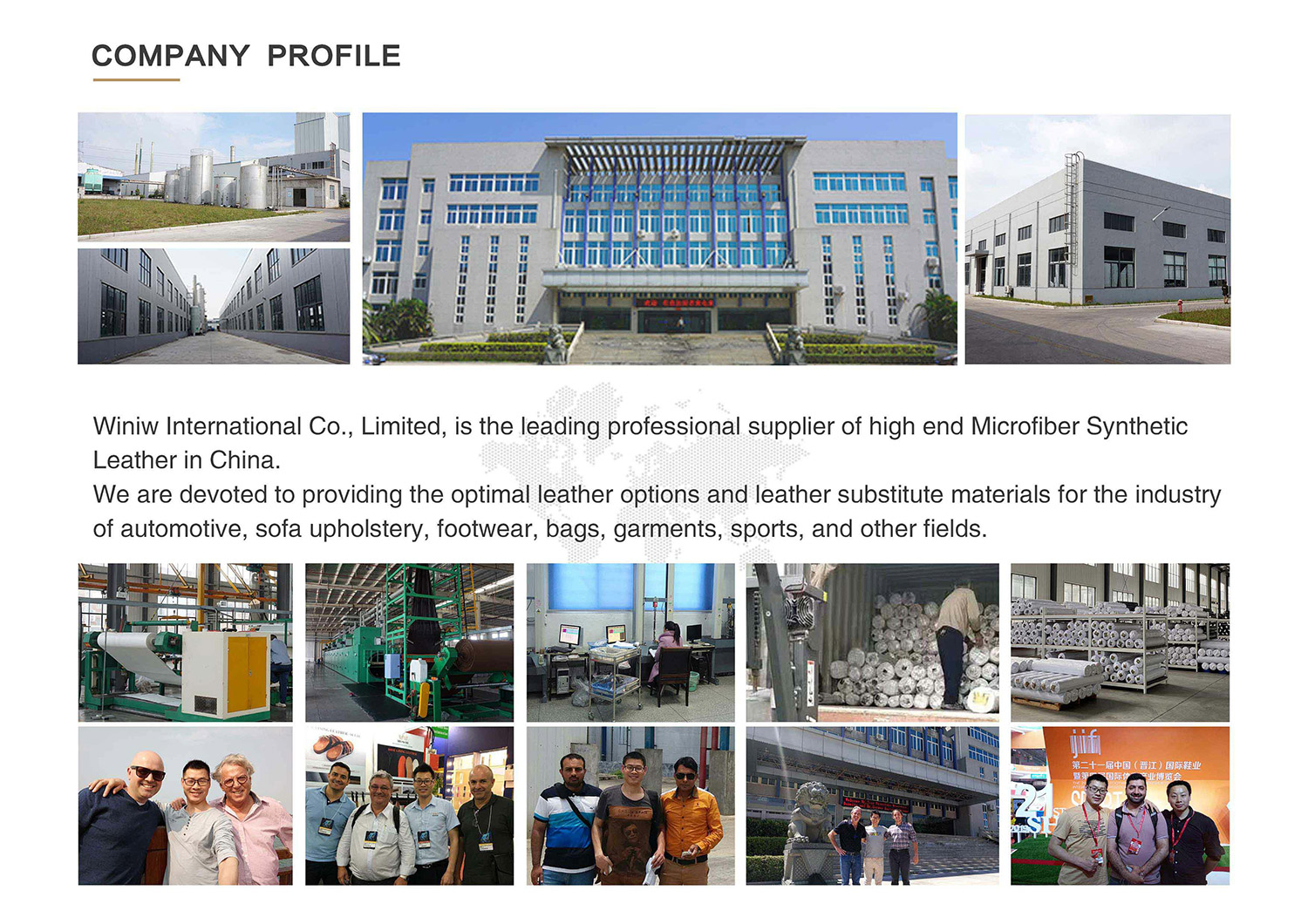
Winiw International Co.,Ltd


Analyse de wechat:



 Tél. : +86 18150976625
 Messagerie : Market@MicrofiberLeather.com