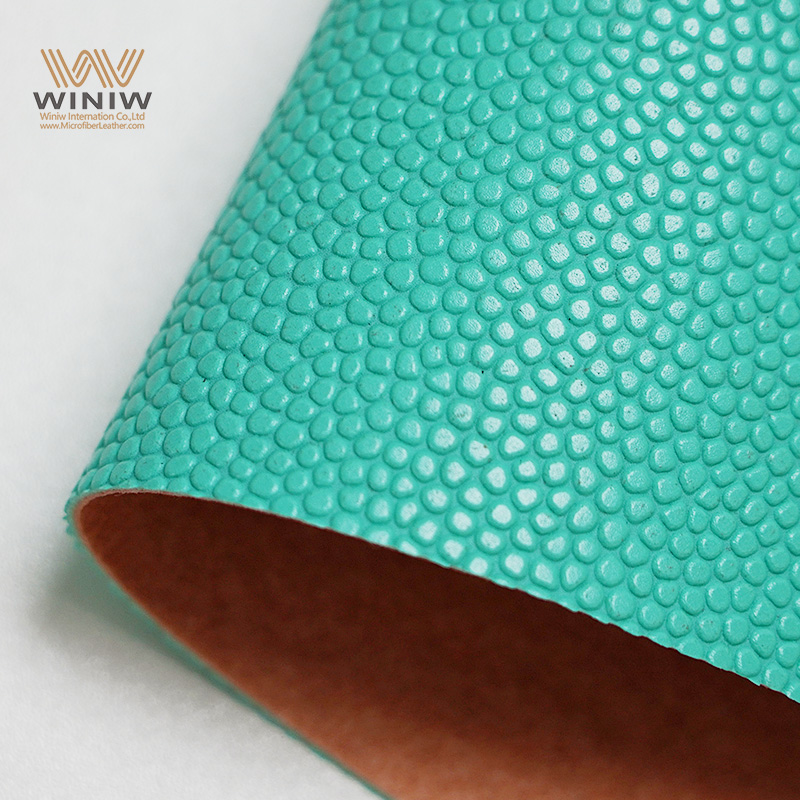
On se demande souvent si le football matériau PU est la meilleure option pour vos besoins en football. De nombreux joueurs la choisissent pour sa légèreté, sa résistance à l'eau et sa facilité d'entretien. Cependant, vous pourriez constater quelques problèmes de respirabilité et de durabilité. Consultez ci-dessous les principaux avantages et inconvénients :
|
Avantages |
Inconvénients |
|---|---|
|
Abordable pour les écoles et les clubs |
faible respirabilité |
|
Résistant à l'eau, conserve sa forme |
Accumulation d'humidité à l'intérieur de la balle |
|
Option végétalienne |
La durabilité peut varier |
|
Qualité constante pour le développement des compétences |
Nécessite des soins appropriés pour une longue durée de vie |
|
Conception légère pour une agilité accrue |
impact environnemental |
|
Un entretien facile prolonge la durée de vie |
|
Comprendre ces facteurs vous aide à faire des choix plus judicieux lorsque vous choisissez la bonne balle.
ballons de football en PU Elles offrent un toucher doux et un excellent contrôle, ce qui les rend idéales pour le développement des compétences et le jeu compétitif.
Ces balles sont résistantes à l'eau, conservant leur forme et leurs performances même par temps humide, ce qui est un avantage pour la pratique régulière.
Bien que les ballons en PU soient abordables et durables, leur durée de vie peut être inférieure à celle d'autres matériaux ; un entretien approprié est donc essentiel pour prolonger leur durée de vie.
Vous voulez un ballon de football performant et durable pour de nombreux matchs. Matériel de football en PU Elle se distingue par son excellent rapport qualité-prix. De nombreux entraîneurs et joueurs professionnels partagent leur avis sur les balles de baseball. Découvrez leurs opinions dans le tableau ci-dessous :
|
Avantages |
Inconvénients |
|---|---|
|
Durable |
Sensation synthétique |
|
Résistant à l'eau |
variabilité des performances |
|
Bon contact |
|
|
Abordable |
|
Vous remarquerez que les balles en polyuréthane offrent durabilité et résistance à l'eau. Elles procurent également un bon toucher, ce qui vous permet de mieux contrôler la balle. Certains joueurs évoquent une sensation synthétique et des différences de performance entre les marques. Il est important de prendre ces facteurs en compte avant de faire votre choix.
Conseil : Si vous jouez dans des conditions humides ou si vous avez besoin d’une balle pour un entraînement régulier, les balles en polyuréthane conservent souvent mieux leur forme et résistent mieux à l’eau que les autres options.
Les ballons de football en polyuréthane (PU) sont particulièrement avantageux si vous recherchez des performances constantes et un entretien facile. Les joueurs de compétition privilégient le PU pour son excellent toucher de balle et sa trajectoire fiable. Vous bénéficiez ainsi d'un meilleur contrôle du ballon, ce qui améliore votre jeu. Comparés aux ballons en PVC et en TPU, les ballons en PU sont plus appréciés des footballeurs. Les écoles, les clubs et les parents choisissent également le PU pour son prix abordable et ses performances solides. Si vous jouez en loisir ou à un niveau intermédiaire, les ballons en PU répondront à vos besoins sans vous ruiner.
On rencontre souvent le terme « pu » lorsqu'on achète des ballons de football. PU signifie polyuréthane Le polyol est un type de matériau synthétique utilisé par les fabricants pour créer la couche extérieure de nombreux ballons de football modernes. Ce matériau résulte d'une réaction chimique entre un isocyanate et un polyol. Le procédé permet d'obtenir une surface à la fois souple et résistante, douce au toucher.
La structure d'un ballon de football en polyuréthane comprend plusieurs caractéristiques importantes :
|
Composant |
Description |
|---|---|
|
Peau |
Plusieurs couches de polyuréthane thermocollées ensemble |
|
Textures |
Textures micro et macro pour une meilleure aérodynamique |
|
Panneaux |
La forme du panneau en 20 pièces améliore les performances |
|
Documents supplémentaires |
Polyester recyclé et encres à base d'eau |
L'extérieur du ballon est composé de 20 panneaux en polyuréthane collés. Ces panneaux contribuent à maintenir sa forme et à optimiser sa trajectoire. Les matériaux utilisés pour ce type de ballon incluent souvent des éléments recyclés, ce qui le rend plus écologique que certains modèles plus anciens.
Le processus de fabrication des balles en polyuréthane comprend plusieurs étapes :
Préparation du tissu de base, généralement en polyester ou en coton.
Enduction et raclage avec une suspension de polyuréthane pour obtenir une épaisseur uniforme.
Séchage et durcissement pour former un film solide.
Traitement de surface, tel que le gaufrage ou l'impression.
Post-traitement et contrôle qualité.
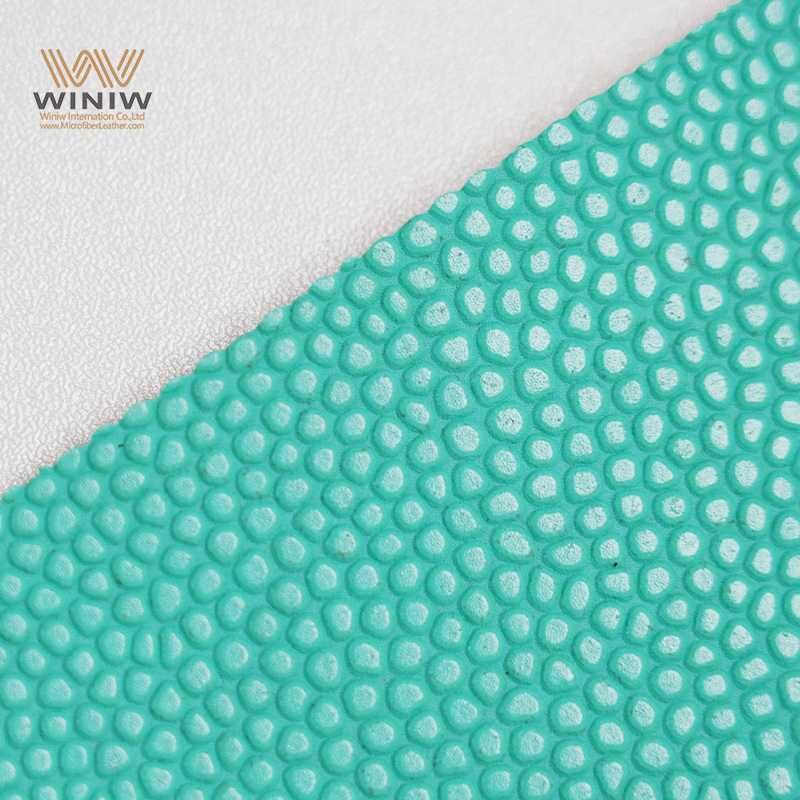
Les fabricants choisissent le polyuréthane (PU) pour les ballons de football car il offre un excellent compromis entre performance et durabilité. Le PU procure une sensibilité tactile remarquable, facilitant le contrôle du ballon pendant le jeu. Ce matériau garantit également une trajectoire constante, permettant d'anticiper les mouvements du ballon.
Voici quelques raisons clés qui expliquent pourquoi le PU se distingue :
Contrôle de balle supérieur pour des passes et des tirs précis.
Une flexibilité qui permet un transfert d'énergie optimal lors du coup de pied.
Maintien de la forme, ce qui signifie que la balle conserve sa forme au fil du temps.
Que vous jouiez pour le plaisir ou en compétition, vous profiterez de ces caractéristiques. Le polyuréthane (PU) reste l'un des matériaux les plus utilisés pour les ballons de football actuels, car il répond aux besoins de nombreux joueurs et entraîneurs.
On remarque une nette différence au toucher lorsqu'on joue avec un ballon de football en polyuréthane (PU). La surface douce et lisse des ballons en PU offre un confort optimal pendant le jeu. Cette douceur permet un meilleur contrôle du ballon, notamment lors des dribbles et des passes. On bénéficie ainsi de mouvements plus précis et d'une sensation moins désagréable au pied qu'avec des ballons plus durs.
Les ballons de football en polyuréthane offrent une surface douce et lisse, ce qui les rend agréables à manipuler.
Les balles en PVC sont plus dures et moins réactives, ce qui peut rendre le contrôle plus difficile.
La souplesse des balles en polyuréthane en fait un choix de prédilection pour le jeu professionnel et de haut niveau.
Vous bénéficiez de ces performances exceptionnelles car le ballon réagit parfaitement à vos déplacements. Ce toucher amélioré vous permet de développer vos compétences et de prendre davantage de plaisir à jouer.
On joue souvent au football dans des conditions météorologiques variées. Le polyuréthane (PU) se distingue par son excellente imperméabilité. Le revêtement extérieur des ballons de football en PU empêche l'eau de pénétrer, ce qui leur permet de conserver leur forme et leur poids même après de fortes pluies.
Les revêtements en polyuréthane contenant de 20 % à 25 % de diluant présentent une forte résistance à la pénétration de l'eau.
Ces revêtements conservent leurs propriétés mécaniques après immersion dans l'eau.
La structure du PU réduit le nombre de groupes hydrophiles, ce qui signifie que moins d'eau peut se lier et circuler à travers le matériau.
Vous pouvez compter sur votre ballon de football pour offrir d'excellentes performances même sur terrain humide. Son imperméabilité contribue à maintenir des performances d'impact constantes, vous n'avez donc pas à craindre qu'il ne devienne lourd ou déformé.
Vous recherchez un ballon de football performant et fiable à chaque match ? Le polyuréthane (PU) offre une excellente élasticité, permettant au ballon de reprendre rapidement sa forme après chaque frappe. Cette élasticité contribue à maintenir sa forme et sa trajectoire, pour des résultats prévisibles en match comme à l'entraînement.
Vous remarquerez que les ballons en polyuréthane offrent une réactivité constante, que ce soit pour les passes, les tirs ou les dribbles. Le matériau favorise un transfert d'énergie optimal, pour des frappes puissantes et précises. Ce niveau de performance fait des ballons en polyuréthane un choix privilégié pour l'entraînement comme pour la compétition.
Conseil : Choisissez des ballons de football en PU si vous souhaitez un rebond fiable et une trajectoire stable, notamment pour le développement des compétences.
Il n'est pas nécessaire de dépenser une fortune pour obtenir un ballon de football de haute qualité. Les ballons de football en polyuréthane offrent un excellent équilibre Entre coût et performance, les balles en PU sont bien plus abordables que celles en cuir, tout en offrant de nombreux avantages nécessaires à une pratique régulière.
|
Type de football |
Prix moyen |
|---|---|
|
Football PU |
15 $ |
|
Football en cuir |
100 $ |
|
Ballon de football en PVC |
1,90 $ - 15,50 $ |
Les ballons de football en polyuréthane offrent un excellent rapport qualité-prix. Écoles, clubs et familles les choisissent souvent car ils correspondent à leur budget sans compromettre la qualité.
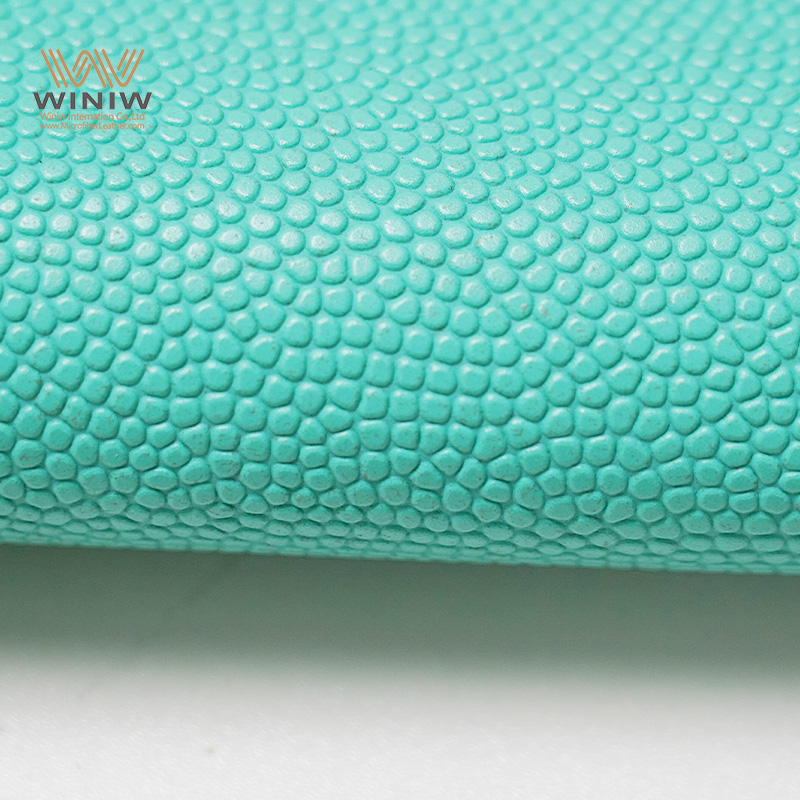
Vous souhaitez que votre ballon de football dure longtemps, même après de nombreux matchs et entraînements. Les ballons en polyuréthane (PU) excellent en matière de résistance à l'usure. Ils conservent leur forme et la qualité de leur surface, même après une utilisation prolongée. Contrairement aux ballons en PVC, qui peuvent se dégrader rapidement, les ballons en PU conservent leurs performances et leur aspect plus longtemps.
Vous bénéficiez d'un ballon résistant aux terrains accidentés et à une utilisation intensive. Sa durabilité vous permet d'espacer les remplacements, ce qui représente des économies de temps et d'argent. La grande résistance à l'usure du polyuréthane garantit un jeu régulier et une utilisation prolongée.
Vous remarquerez peut-être que le matériau PU des ballons de football n'offre pas toujours la même durabilité que d'autres options. Bien qu'il offre un toucher doux et des performances optimales, une utilisation prolongée peut entraîner certains problèmes courants. Ces problèmes peuvent affecter la durée de vie de votre ballon et ses performances au fil du temps.
Le décollement se produit souvent lorsque la couche extérieure manque de résistance à l'abrasion. Vous remarquerez peut-être que la surface commence à se détacher après une utilisation fréquente.
Des fissures peuvent apparaître si le matériau n'est pas traité correctement lors de la fabrication. Cela entraîne des cassures à la surface de la balle, ce qui peut affecter ses performances et ses sensations.
L'usure générale devient visible après de nombreux matchs. Le ballon peut se déformer et le toucher peut devenir moins précis.
Vous devriez tenir compte de ces facteurs si vous souhaitez un ballon de football résistant aux conditions difficiles. Un entretien approprié peut y remédier, mais vous pourriez tout de même constater des signes d'usure plus rapidement qu'avec d'autres matériaux.
Il est important de tenir compte de l'impact environnemental lors du choix d'un ballon de football. Le polyuréthane (PU) est fabriqué à partir de dérivés du pétrole. produits et implique l'utilisation de produits chimiques toxiques lors de la production. Ce procédé génère des déchets et utilise des ressources qui peuvent nuire à l'environnement.
Le polyuréthane n'est pas biodégradable. Lorsque vous jetez un vieux ballon, il contribue à l'accumulation de déchets plastiques dans les décharges.
Le polyuréthane (PU) et le PVC contribuent tous deux à la crise mondiale de la pollution plastique car ils ne se décomposent pas naturellement.
Contrairement au PVC, le PU ne libère ni substances chimiques dangereuses ni dioxines lors de son utilisation ou de son élimination. C'est donc un choix plus sûr pour vous et pour l'environnement.
Le cuir véritable est biodégradable, mais sa production consomme beaucoup de ressources et d'énergie. L'élevage d'animaux pour le cuir a également un coût environnemental élevé.
Vous devriez prendre en compte ces facteurs si la durabilité vous importe. Choisir des ballons de football fabriqués à partir de des matériaux synthétiques comme le PU Elle peut contribuer à réduire certains risques, mais elle ne résout pas le problème des déchets plastiques.
Vous vous interrogez peut-être sur l'innocuité des revêtements synthétiques utilisés sur les ballons de football en polyuréthane. Ces revêtements améliorent l'imperméabilité et le toucher, mais peuvent soulever des inquiétudes quant à leur impact sur la santé.
Les athlètes qui jouent sur du gazon synthétique sont susceptibles d'être exposés à des niveaux plus élevés de PFAS, des « polluants éternels » toxiques, qu'avant de jouer sur ce type de terrain, selon une nouvelle étude. Cette situation soulève de nouvelles questions quant à l'innocuité de ce matériau controversé. Les PFAS, ou substances perfluoroalkylées et polyfluoroalkylées, sont associées au cancer, à des problèmes hépatiques et thyroïdiens, à des malformations congénitales, à des maladies rénales, à une baisse de l'immunité et à d'autres problèmes de santé graves.
Il est important de se renseigner sur les matériaux utilisés pour votre équipement de football. Si le polyuréthane (PU) offre de nombreux avantages, il convient de prendre en compte les risques potentiels liés aux revêtements synthétiques, notamment en cas de pratique fréquente ou prolongée.
Vous constaterez peut-être que les ballons de football en polyuréthane ne conviennent pas à tous les environnements de jeu ni à tous les niveaux de compétence. Dans certaines situations, le ballon peut s'user plus rapidement ou perdre en performance.
Les ballons de football en polyuréthane sont sensibles aux surfaces rugueuses. Jouer sur du béton ou du gravier peut endommager rapidement la couche extérieure.
Des conditions météorologiques défavorables, telles que des températures extrêmes (chaleur ou froid), peuvent affecter la forme et le toucher du ballon.
Ces facteurs entraînent une usure plus rapide et une durée de vie réduite, surtout si vous utilisez le ballon pour le football de rue ou dans des environnements difficiles.
Le choix de votre ballon de football doit se faire en fonction du terrain et de votre style de jeu. Les ballons en polyuréthane offrent un excellent amorti et des performances optimales sur gazon naturel ou synthétique, mais leur durée de vie peut être réduite sur les terrains accidentés. Réfléchissez bien à vos besoins avant de faire votre choix.
Lorsque l'on compare les matériaux des ballons de football, on constate que le PU et le cuir offrent des avantages différents. Ballons de football en polyuréthane Elles offrent une excellente résistance à l'eau et des performances constantes même par temps humide. Les balles en cuir absorbent l'eau, ce qui les rend plus lourdes et plus difficiles à contrôler. Le cuir offre une adhérence et un retour tactile supérieurs, surtout par temps sec. Les balles en PU conservent mieux leur forme et leur durabilité dans le temps.
|
Fonctionnalité |
Ballons de football en polyuréthane |
Ballons de football en cuir |
|---|---|---|
|
Résistance à l'eau |
Excellent, n'absorbe pas l'eau |
Pauvre, absorbe l'eau et devient lourd |
|
Poignée |
Moins de retour tactile |
Adhérence et retour tactile supérieurs |
|
Durabilité |
Haute résistance, supporte diverses conditions |
Modéré, peut se déformer lorsqu'il est mouillé |
|
Performances sur sol mouillé |
Maintient sa forme et son contrôle |
Se déforme, difficile à contrôler |
|
Préférence dans l'utilisation professionnelle |
Apprécié pour sa constance et sa durabilité |
Préféré pour le toucher en conditions sèches |
On voit souvent des ballons de football en PVC utilisés pour l'entraînement et les parties amicales. Ces ballons offrent une durabilité remarquable et nécessitent peu d'entretien. Cependant, leur surface est plus dure et le toucher moins précis, ce qui affecte le contrôle du ballon. Les ballons en PU offrent une sensibilité tactile supérieure et de meilleures performances pour le football de compétition. Ils nécessitent un entretien attentif, mais offrent en contrepartie une sensation de qualité supérieure.
|
Fonctionnalité |
Ballons de football en polyuréthane |
Ballons de football en PVC |
|---|---|---|
|
Durabilité |
Durabilité exceptionnelle avec un entretien approprié |
Durabilité remarquable, idéale pour l'entraînement |
|
Commentaires des joueurs |
Sensibilité tactile et contrôle de balle supérieurs |
Surface plus dure, moins réactive, affecte le contrôle |
|
Entretien |
Nécessite un entretien rigoureux |
Entretien minimal, facile à nettoyer |
|
Performance |
Préféré pour le jeu professionnel |
Moins adapté au jeu compétitif |
|
Résistance aux intempéries |
Sensible aux conditions extrêmes |
Bonne résistance aux intempéries, supporte les surfaces rugueuses |
Vous souhaitez choisir le ballon de football le mieux adapté à vos besoins. Les ballons en polyuréthane (PU) coûtent moins cher que ceux en cuir, mais plus cher que ceux en PVC. Les ballons en cuir offrent une qualité et un toucher exceptionnels, mais leur prix est plus élevé. Les ballons en PVC sont les moins chers et les plus résistants, mais ils ne permettent pas d'atteindre les performances et le toucher nécessaires à un football de haut niveau.
|
Type de football |
Gamme de prix |
|---|---|
|
Cuir véritable |
~100 $ |
|
Football PU |
~15 $ |
|
TPU Football |
~40 $ |
|
Ballon de football en PVC |
le moins cher |
Remarque : Le cuir a une empreinte carbone plus élevée avant transformation, mais il dure plus longtemps. Le PVC produit des dioxines nocives et des gaz à effet de serre, et sa durée de vie en décharge peut atteindre 500 ans. Le PU utilise des solvants et des plastifiants, libérant ainsi moins de composés nocifs que le PVC.
Le polyuréthane (PU) est idéal si vous recherchez un bon équilibre entre performance, durabilité et prix. Le cuir vous conviendra si vous privilégiez un toucher et une adhérence de qualité supérieure. Le PVC est particulièrement adapté à l'entraînement et aux terrains accidentés. Comparer les matériaux des ballons de football vous permettra de trouver celui qui correspond le mieux à votre style de jeu.
Vous cherchez un ballon de football offrant un bon compromis entre prix et performance pour une utilisation régulière. En comparant les différents types de ballons, vous remarquerez que certains modèles se distinguent particulièrement pour un usage occasionnel.
Le Select Club DB V22 vous offre durabilité et confort grâce à ses panneaux à double collage et son revêtement texturé en TPU.
La Puma Orbita 1 TB, proposée à 49,99 $, offre des performances et une résistance à l'eau quasi identiques à celles des chaussures de compétition, ce qui la rend fiable dans diverses conditions.
La Puma Orbita 6 MS, aux alentours de 20 dollars, offre un rebond constant et une durabilité correcte, ce qui est idéal pour l'entraînement.
Comparer les matériaux des ballons de football vous aide à trouver celui qui correspond le mieux à vos besoins. Vous bénéficiez ainsi d'un ballon durable et agréable à jouer.
Il vous faut un ballon de football offrant des performances et un toucher exceptionnels. Une comparaison des matériaux révèle que le cuir synthétique est le meilleur choix pour les ballons de match. Il vous assure un contrôle et une précision optimaux, améliorant ainsi votre jeu.
|
Matériel |
Cas d'utilisation |
Caractéristiques |
|---|---|---|
|
cuir synthétique |
balles de match |
Toucher et durabilité supérieurs, idéaux pour le contrôle et la précision. |
|
PVC |
Entraînement et loisirs |
Abordable et robuste, moins axé sur la performance |
|
vessies en latex |
balles de match |
Meilleur rebond et meilleure réactivité |
|
Vessie en butyle |
balles d'entraînement |
Retient l'air plus longtemps, moins réactif |
|
Vous remarquerez que les vessies en latex offrent un meilleur rebond, tandis que les enveloppes synthétiques offrent une sensation constante et une meilleure durabilité. |
|
|
Vous voulez un ballon de football sûr et fiable pour les enfants.
La sécurité est primordiale, choisissez donc un ballon de fabrication de qualité.
La durabilité est importante ; le cuir synthétique offre une performance par tous les temps et dure plus longtemps.
Les performances varient selon le matériau, mais les options synthétiques offrent des résultats constants pour les jeunes joueurs.
Lorsque vous sélectionnez
matériaux pour ballons de football
Pour une utilisation scolaire ou en club, vérifiez la conception de la housse, le design des panneaux, la qualité des coutures et le type de vessie. Plus il y a de couches de doublure, plus le ballon est solide, et plus les couches de mousse sont douces. Vous assurez ainsi à votre enfant un ballon confortable et performant.
Conseil : Comparez toujours les matériaux avant d’acheter. Un bon ballon de football améliore les performances, le toucher et la durabilité de chaque joueur.
Vous constaterez que le matériau PU des ballons de football offre un toucher doux, des performances équilibrées et une durabilité modérée. Les experts recommandent les ballons en PU pour la compétition, comme le ballon Meteor PU. Pour comparer les différents types de ballons, consultez ce tableau afin de trouver celui qui correspond à vos besoins :
|
Type de matériau |
Durabilité |
Performance |
rapport coût-efficacité |
|---|---|---|---|
|
cuir synthétique |
Modéré |
Haut (toucher doux) |
Haut |
|
carbonate de polyvinyle |
Haut |
Modéré (toucher ferme) |
Faible |
|
polyuréthane |
Modéré à élevé |
Élevé (équilibré) |
Modéré |
Il est important de toujours tenir compte du lieu où vous jouez au football et de vos attentes vis-à-vis de votre ballon. Choisissez des matériaux adaptés à votre style de jeu et à votre environnement pour une performance optimale.
Les balles en PU offrent un toucher plus doux et un meilleur contrôle. Les balles en PVC sont plus dures et conviennent mieux aux surfaces rugueuses. Les balles en PU sont idéales pour développer sa technique.
Vous pouvez jouer avec des balles en PU même par temps humide. Le revêtement résistant à l'eau préserve la forme et le poids de la balle.
Les ballons de football en PU sont utilisés matériaux synthétiques Il est conseillé de vérifier les certifications de sécurité avant d'acheter un ballon pour enfant. La plupart des ballons en polyuréthane répondent aux normes sportives pour jeunes.
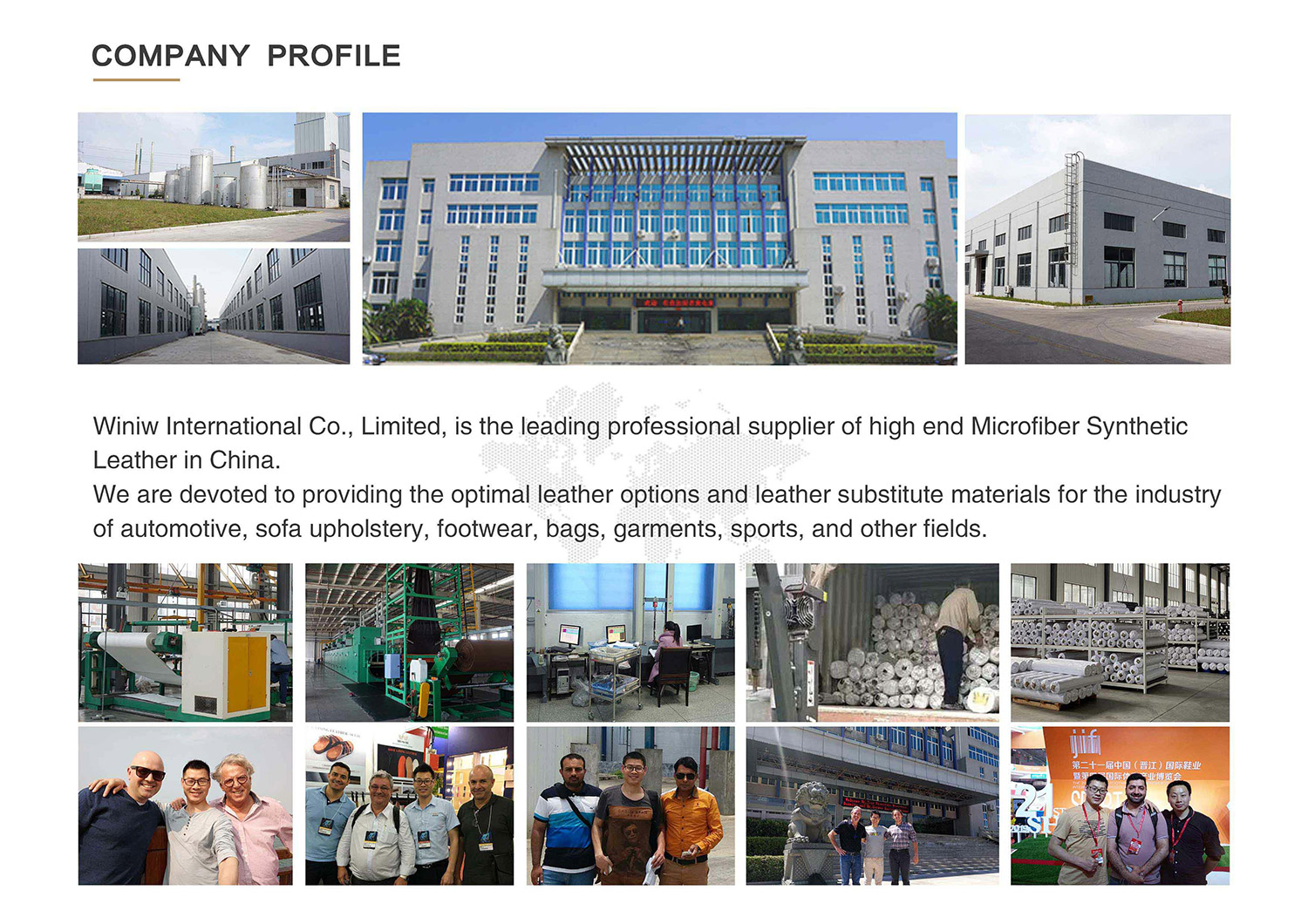
Winiw International Co.,Ltd


Analyse de wechat:



 Tél. : +86 18150976625
 Messagerie : Market@MicrofiberLeather.com